The Illusion of the Digital Monopoly
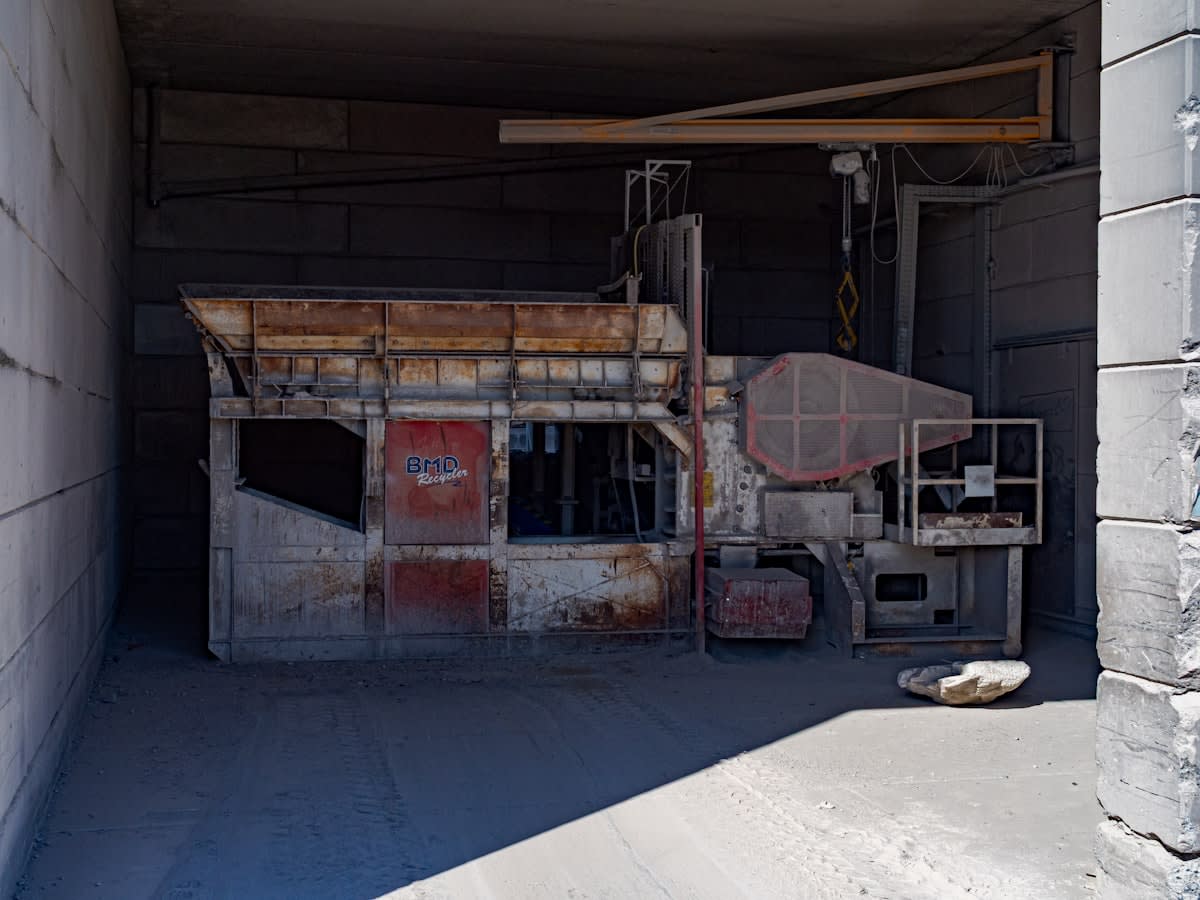
For years, the global investment narrative focused on the intangible. We chased software, cloud credits, and digital platforms. But the math is finally catching up to the hype. On June 26, 2026, Goldman Sachs released a report that stripped away the veneer: software accounts for less than 0.5% of global GDP. That leaves a staggering 99.5% of the economy—the physical world of factories, mines, utilities, and oil rigs—as the next frontier for AI adoption.
"AI has made technology companies more collaborative with non-tech firms."— Jung Min, Goldman global co-head of tech, media and telecommunications
Why does this matter? Because the next boom isnt about building a better chatbot; it is about deploying intelligence into the real economy. We are witnessing a transition from frontier AI labs to the grit of the physical world. This isnt a crisis of software; it is an expansion of utility.

This shift toward physical optimization is not limited to heavy industry. It is fundamentally rewriting the rules of the most ancient of businesses: farming.
Agriculture's New Metric: Litres over Acres
Historically, land was the ultimate lever of power. If you owned the acres, you owned the food supply. That era is ending. According to a June 27, 2026 report from BusinessLine, the next decade of agriculture will be defined by resource efficiency, not land ownership. The new gold standard is not how much land you control, but how many litres of water you save and how many kilowatt-hours you conserve per square foot.
| Metric | Traditional Agriculture | Resource-Efficient Model |
|---|---|---|
| Primary Value Driver | Land Ownership (Acres) | Intelligence (Efficiency) |
| Resource Focus | Expansion of Land | Water/Energy Conservation |
| Production Method | Conventional Soil Farming | Aeroponics & Controlled Environments |
| Economic Goal | Volume via Scale | Yield via Optimization |
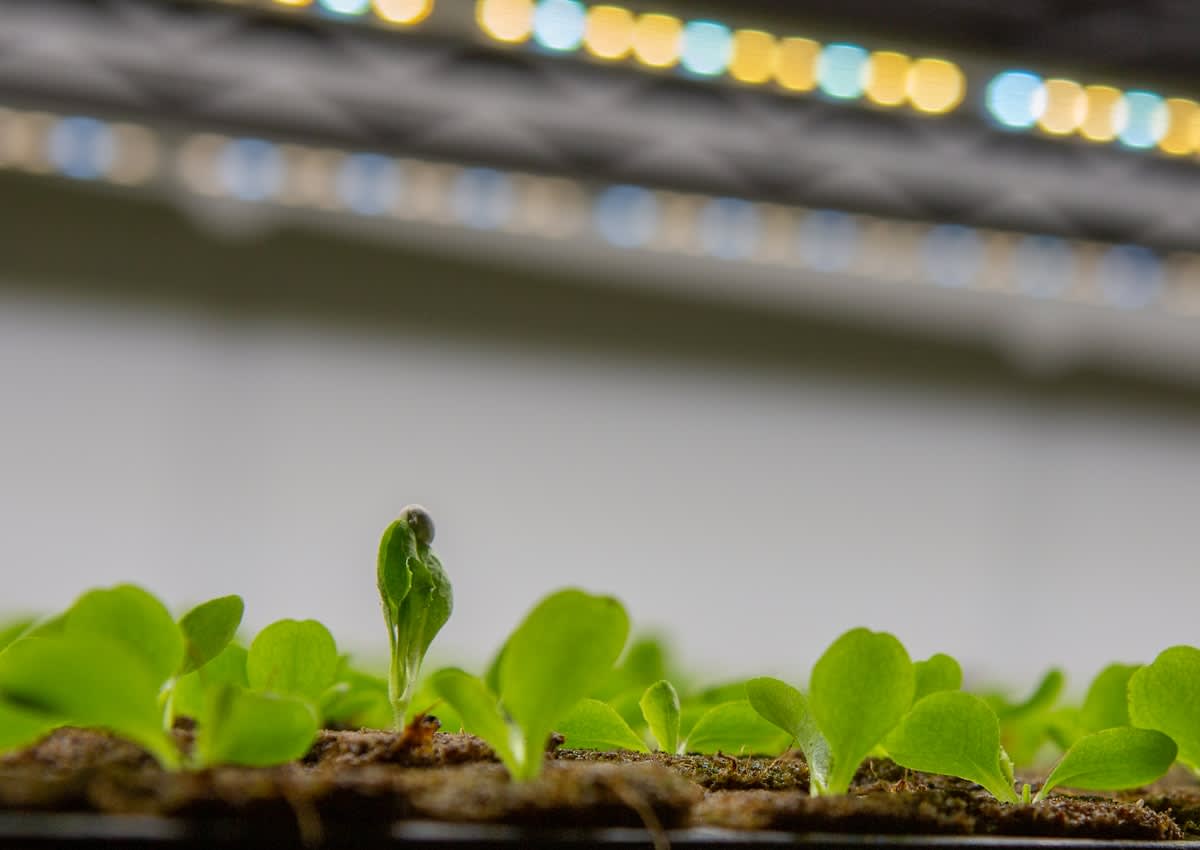
Look at the contrast. While traditional farms in the American Midwest still struggle with land-heavy legacy models, commercial-scale aeroponic facilities in hubs like Bangalore are proving that higher yields can be achieved using a fraction of the land and water. This is a systemic pivot. We are moving from a model of extraction to a model of precision.
The Efficiency Dividend
The strategic opportunity here is not just better farming, but a more inclusive funding architecture. When efficiency replaces land as the primary asset, the barrier to entry for investors and operators drops significantly.
While the physical world optimizes, the structures of power overseeing these shifts are consolidating.
The Consolidation of Global Power
This drive toward efficiency is mirrored in the professional services sector. Law.com reported on June 28, 2026, that the legal landscape is shifting toward a profound concentration of power. The rise of the Global 5 and Global 50 law firms suggests that survival now requires admission into an elite tier. Power is no longer distributed; it is concentrated in the hands of a few who can scale their intelligence and reach.
Contrast this physical and institutional consolidation with the fragmentation in the digital asset space. We see Bitcoin holders preparing for airdrops from hard forks, such as the eCash launch scheduled for August 21. While the digital world continues to split and fork, the physical economy is merging and optimizing. One is a game of distribution; the other is a game of efficiency.
Can we afford to ignore the 99.5%? The real winners of the next decade will not be those who own the most land or the most code, but those who can apply intelligence to the physical constraints of our world. The pivot is here. The question is whether you are investing in the abstraction or the asset.