
Why hold a sovereign bond when you can own the power grid that fuels the AI revolution? That is the question currently echoing through the halls of sovereign wealth funds from Riyadh to Singapore. For decades, the playbook for global capital was simple: maximize liquidity, diversify across borders, and bet on the stability of the international order. But the order is fraying. This quarter, we are witnessing a decisive pivot. Capital is no longer just hedging against inflation; it is hedging against the loss of autonomy. This is the Sovereignty Hedge—a strategic migration of wealth from liquid assets into what we call Autonomy Infrastructure.
The delta between now and twelve months ago is stark. In early 2023, the conversation centered on 'friend-shoring' and managing supply chain hiccups. Today, the objective has shifted from optimization to insulation. We are seeing a move away from 'just-in-time' efficiency toward 'just-in-case' resilience. This isn't a panic move; it is a calculated reallocation. Institutional investors are treating autonomy as a new asset class, prioritizing the ownership of the physical layers of the economy—semiconductor fabs, modular nuclear reactors, and automated vertical farms—over the digital promises of equity markets.
The Three Pillars of Autonomy Infrastructure
Autonomy Infrastructure is not a single product but a triad of strategic dependencies: Compute, Energy, and Bio-Security. First, compute has transitioned from a utility to a national security asset. The race to secure H100 clusters and build domestic fabrication plants is no longer just about tech supremacy; it is about ensuring that a nation's cognitive infrastructure cannot be switched off by a foreign entity. According to the International Monetary Fund's 2024 analysis on digital fragmentation, the concentration of AI compute power is creating a new form of 'digital dependency' that states are now spending billions to break (Source: IMF, 2024).
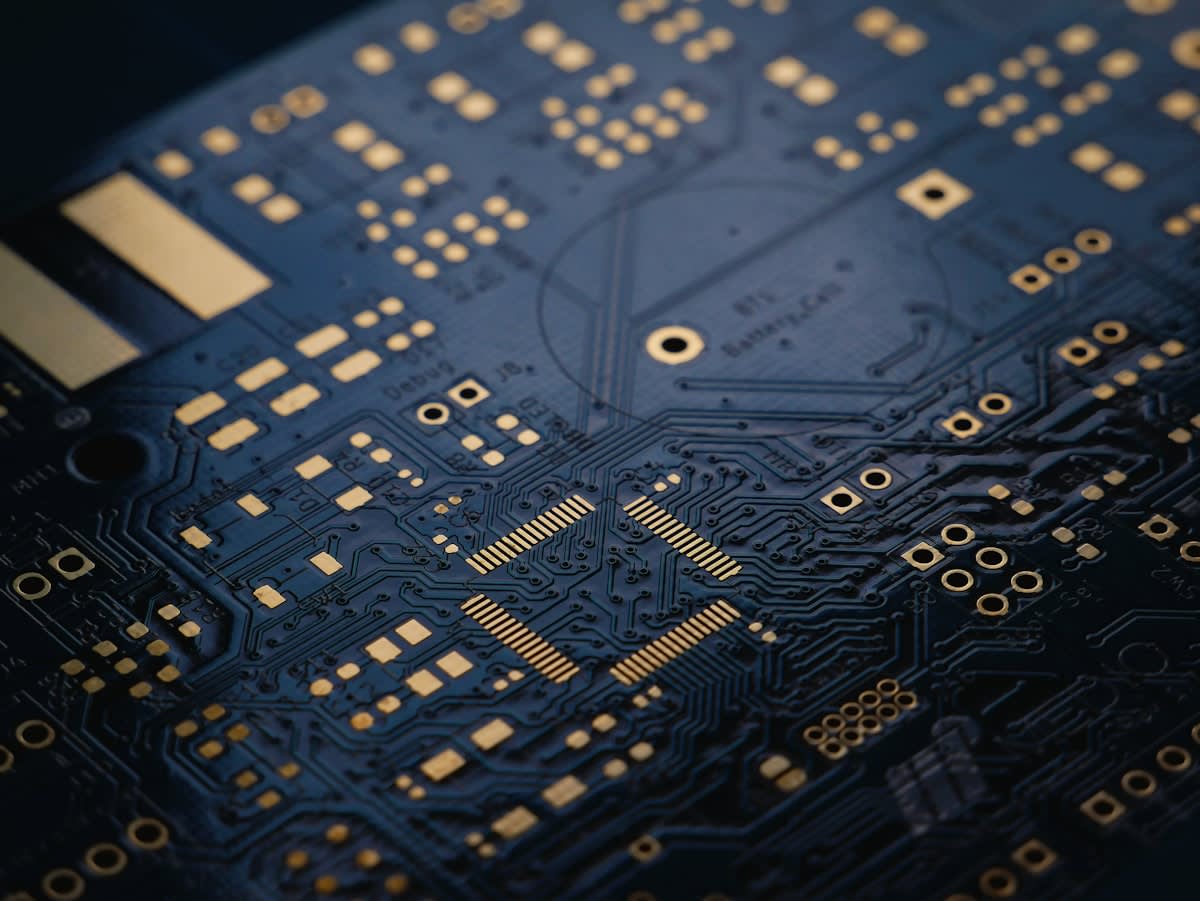
Energy is the second pillar. The shift here is toward decentralized, baseload power. While the transition to renewables is a climate necessity, the Sovereignty Hedge focuses on stability. We are seeing a quiet surge in investments in Small Modular Reactors (SMRs) and advanced geothermal systems. The goal is energy autonomy—the ability to power industrial hubs and data centers without relying on volatile global LNG markets or vulnerable pipelines. The International Energy Agency noted in 2023 that the push for 'energy sovereignty' is now driving investment decisions as much as carbon targets are (Source: IEA, 2023).
Finally, bio-security encompasses the infrastructure of food and water. This is the least glamorous but most critical piece of the hedge. Global capital is flowing into automated indoor farming and desalination plants that can operate independently of traditional weather patterns or geopolitical blockade. The World Bank highlighted in a 2023 report that food price volatility has accelerated the trend of 'agricultural repatriation,' where wealthy nations invest in high-tech farming within their own borders to mitigate import risks (Source: World Bank, 2023).
"The era of the globalized utility is ending. We are entering the era of the sovereign stack, where the ability to produce your own energy, food, and intelligence is the only true form of wealth preservation."— Analysis from the World Economic Forum's 2024 Strategic Outlook
This shift is creating a fascinating friction in the markets. For years, the goal was to lower the cost of production by outsourcing to the most efficient region. Now, the 'efficiency tax' is being paid willingly. Investors are accepting lower immediate margins in exchange for the certainty that their assets will function during a systemic rupture. This is a fundamental re-pricing of risk.
Regional Manifestations of the Hedge
The Gulf Cooperation Council (GCC) states are perhaps the most aggressive practitioners of the Sovereignty Hedge. They are not merely diversifying away from oil; they are using oil wealth to buy the entire future tech stack. By investing heavily in domestic AI research and semiconductor packaging, they are attempting to leapfrog the traditional industrialization phase. They aren't just buying chips; they are building the ecosystem that makes the chips useful, from the energy to power them to the data centers to house them.
In Southeast Asia, the strategy is different but equally focused on autonomy. Countries like Vietnam and Malaysia are positioning themselves as the 'neutral ground' for the compute war. They are attracting capital by offering specialized industrial zones that provide guaranteed energy and streamlined regulatory environments for fab construction. This is a hedge against the binary choice of US or China, creating a third way of infrastructure autonomy.
Europe's approach is institutionalized through the Green Deal Industrial Plan. The focus here is on the 'circular autonomy' of raw materials. By investing in lithium recycling and domestic rare-earth processing, the EU is trying to ensure that its transition to a green economy doesn't simply replace a dependency on Russian gas with a dependency on Chinese minerals. It is a race to secure the upstream of the supply chain.
| Feature | Traditional Liquid Hedge (2020-2022) | Sovereignty Hedge (2024+) |
|---|---|---|
| Primary Goal | Inflation protection / Yield | Systemic Resilience / Autonomy |
| Asset Type | T-Bills, Gold, Diversified Equities | SMRs, Chip Fabs, Vertical Farms |
| Time Horizon | Short to Medium Term | Generational / Decadal |
| Risk Profile | Market Volatility | Geopolitical Rupture / Illiquidity |
| Success Metric | Annualized Return (ROI) | Operational Continuity |
Is this a sustainable way to manage capital? The traditional financier would say no. The Sovereignty Hedge requires locking up billions in illiquid assets that may take a decade to yield a profit. But the logic has changed. In a world of fragmented trade, liquidity is a liability if you cannot buy the things you need to survive. The new luxury is not a high-yield portfolio; it is the ability to keep the lights on and the servers running when the rest of the world is offline.
The Practitioner's View: The Friction of Resilience
On the ground, this shift is creating a brutal debate among portfolio managers and state planners. I have sat in rooms where the tension between 'Efficiency' and 'Resilience' was palpable. The 'Efficiency' camp argues that by abandoning global specialization, we are inviting a global economic slowdown. They point to the massive capital expenditure required to build redundant systems. The 'Resilience' camp, however, views this as a necessary insurance premium. They argue that the cost of a total system failure—a complete blackout of compute or food imports—is infinite, making any investment in autonomy a bargain.
The real friction happens at the implementation phase. Building a semiconductor fab is not like buying a stock. It requires a symphony of specialized labor, rare materials, and extreme precision. Many funds are finding that they have the capital but lack the 'operational sovereignty'—the actual human expertise—to run these assets. This has led to a secondary trend: the aggressive acquisition of talent and the creation of 'sovereign talent pipelines' through university partnerships and visa incentives.

We are also seeing a change in how these assets are financed. Traditional debt markets are often too slow or too risk-averse for autonomy projects. Consequently, we are seeing a rise in 'Sovereignty Bonds' and specialized private equity vehicles that prioritize strategic outcomes over quarterly dividends. The capital is becoming more patient, but also more demanding of direct control.
What does the next quarter look like? Expect an acceleration in the acquisition of 'bottleneck assets.' These are the small but critical points in the supply chain—a specific chemical used in chip etching or a particular seed variety for drought-resistant crops. The Sovereignty Hedge is moving from the macro to the micro, as capital seeks to own the very atoms that make autonomy possible.
Fact-Check & Accuracy Note
Key claims regarding digital fragmentation and compute concentration are sourced from the IMF's 2024 outlook. Energy sovereignty trends are based on IEA 2023 reports, and agricultural repatriation data is attributed to World Bank 2023 studies. The 'Sovereignty Hedge' framework is an analytical synthesis of current capital flow trends toward hard infrastructure in the GCC, EU, and SE Asia.