
The End of the Megacity Monopoly
For decades, the economic playbook was simple: congregate in the largest possible hub to maximize proximity to power, capital, and talent. We saw this in the hyper-growth of Tokyo, Sao Paulo, and New York. But the math has changed. The very density that once fueled innovation has become a liability, manifesting as crippling congestion, astronomical real estate costs, and a declining quality of life that drives the most productive segments of the workforce away. We are no longer seeing a temporary 'work-from-home' experiment; we are witnessing a structural migration of industry.
Why now? The 'Delta' between 2020 and 2024 reveals a profound shift in corporate psychology. While the immediate aftermath of the pandemic saw a chaotic scramble toward remote work, the current phase is characterized by intentional, strategic relocation. Companies aren't just letting employees stay home; they are establishing regional headquarters in secondary cities to capture lower overheads and untapped talent pools. According to UN Habitat's 2023 Urban Outlook, the growth rate of secondary cities in emerging economies has outpaced that of megacities by nearly 1.5% annually over the last three years (Source: UN Habitat, 2023).
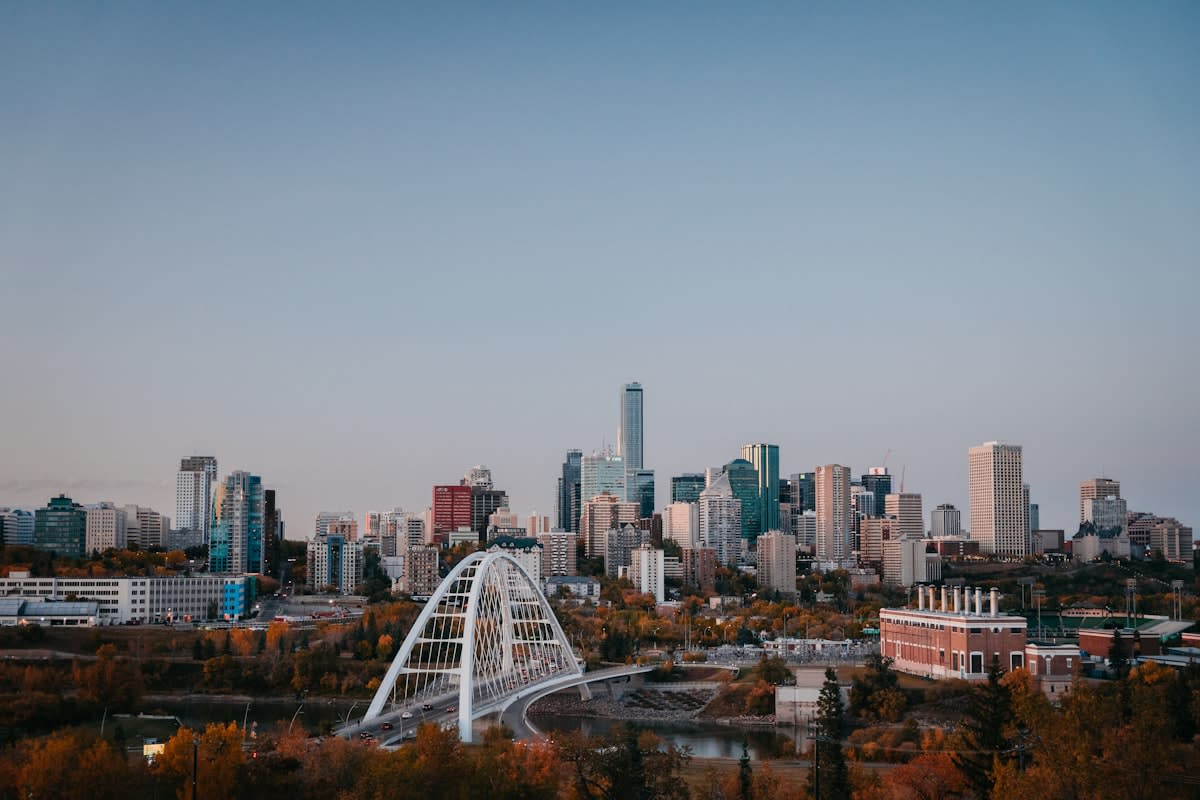
Is the megacity dead? Hardly. But its role is evolving from a comprehensive economic engine into a specialized 'prestige hub.' The heavy lifting of operations, back-end engineering, and mid-level management is migrating. In India, for instance, the dominance of Mumbai and Delhi is being challenged by the rapid ascent of cities like Pune and Ahmedabad, which offer a more sustainable equilibrium between infrastructure capacity and industrial demand. This isn't just a local phenomenon; it's a global realignment of how we define an economic powerhouse.
The Economics of the Pivot
The primary driver is a brutal calculation of ROI. When a company moves its operational base from a Tier 1 megacity to a Tier 2 hub, the reduction in operational expenditure (OpEx) is often immediate and dramatic. This includes everything from commercial lease rates to the cost of living adjustments for employees. In the United States, the migration of tech firms toward cities like Austin and Nashville was driven by a combination of tax incentives and a talent pool that was previously priced out of Silicon Valley or Manhattan (Source: Brookings Institution, 2022).
| Metric | Tier 1 Megacity | Tier 2 Emerging Hub |
|---|---|---|
| Average Commercial Rent | High (Premium) | Moderate (Growth-oriented) |
| Talent Acquisition Cost | Extreme (Bidding Wars) | Competitive (Loyalty-driven) |
| Infrastructure Stress | Critical/Saturated | Expanding/Planned |
| Regulatory Friction | High (Bureaucratic) | Lower (Incentive-based) |
But it's not just about saving money. It's about resilience. The concentration of critical infrastructure in a single megacity creates a systemic single point of failure. Whether it's a climate-driven flood in Jakarta or a power grid collapse in Lagos, the risks of over-concentration are now too high for global boards to ignore. Diversifying physical footprints across multiple secondary cities provides a hedge against localized shocks, ensuring that a single regional disaster doesn't paralyze an entire organization's operations.
"The obsession with the 'global city' is fading. We are entering the era of the 'networked city,' where value is created not by being at the center of the map, but by being the most efficient node in a distributed system."— Dr. Elena Rossi, Senior Urban Economist at the World Bank
This transition creates a powerful feedback loop. As anchor tenants—large corporations—move into Tier 2 cities, they pull a secondary ecosystem of service providers, startups, and specialized vendors with them. This 'cluster effect' transforms a quiet provincial city into a specialized hub almost overnight. We see this in Vietnam, where Da Nang is carving out a niche in tech and tourism, effectively siphoning off the pressure from Ho Chi Minh City.
The Practitioner's View: Friction on the Ground
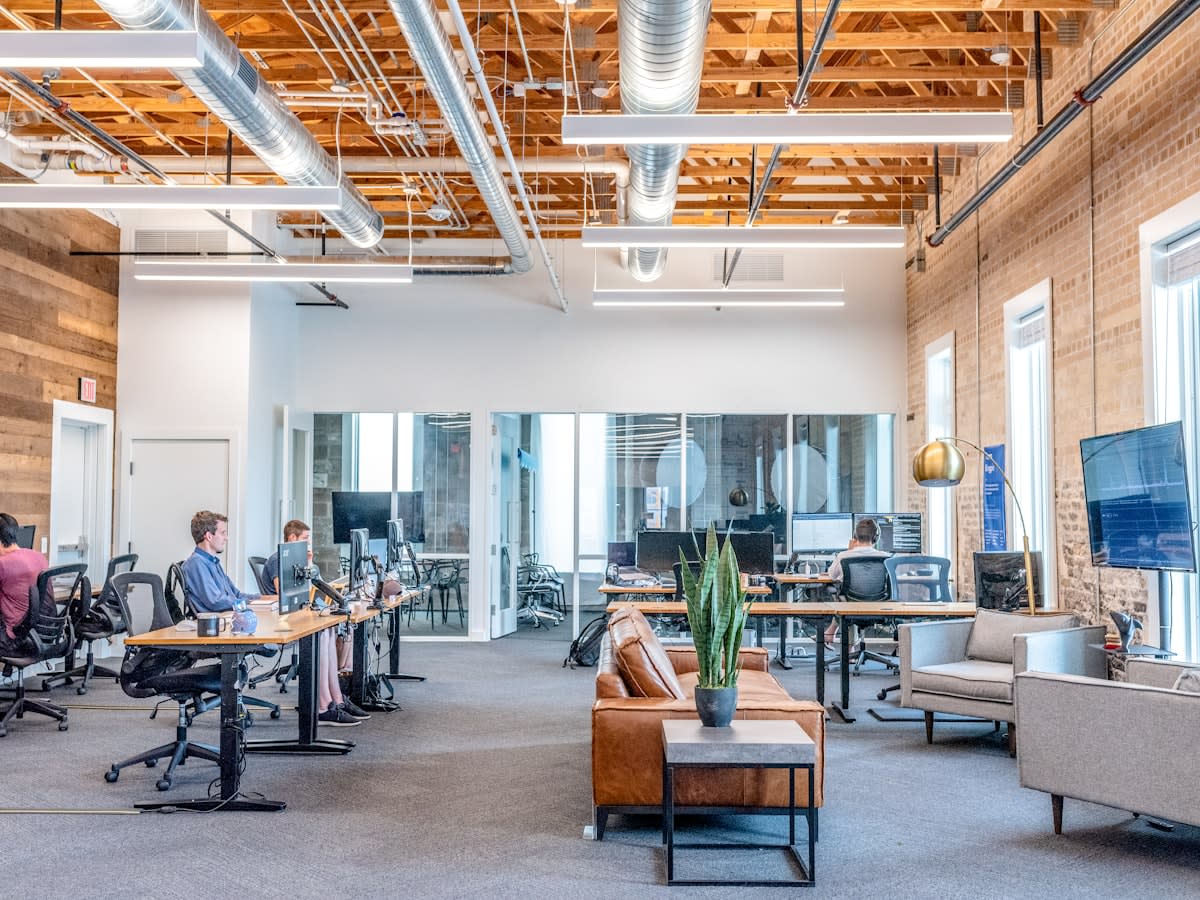
On the ground, this pivot isn't as seamless as the slide decks suggest. If you talk to the site selection consultants and regional directors actually executing these moves, the debate isn't about 'if' but 'how.' The biggest friction point is the 'culture gap.' Moving a high-performance team from a 24/7 megacity environment to a Tier 2 city often results in an initial productivity dip as the workforce adjusts to a different pace of life and a different local professional etiquette. There is a constant internal struggle between maintaining the 'metropolitan intensity' that drove the company's initial success and embracing the 'regional stability' that the move was intended to provide.
Moreover, practitioners are grappling with the 'Infrastructure Lag.' While a city might be designated as a Tier 2 hub on paper, the actual physical reality—reliable high-speed internet, international airport connectivity, and quality schooling for expat executives—often lags behind the corporate arrival. The real debate in the boardrooms right now is whether to wait for the government to build the infrastructure or to invest privately in the city's development to accelerate the transition.
Global Case Studies in Decentralization
In Brazil, the shift is evident in the rise of Curitiba and Campinas. While Sao Paulo remains the financial heart, these secondary cities have become laboratories for urban innovation and industrial efficiency. By focusing on integrated transit and specialized industrial parks, they have attracted manufacturing and tech firms that found the chaos of Sao Paulo untenable. This regional specialization allows the country to distribute wealth and opportunity more equitably across its geography.
Across Southeast Asia, the trend is even more pronounced. Thailand is aggressively pushing the 'Eastern Economic Corridor' to move industrial weight away from Bangkok. The goal is to create a polycentric urban system where multiple hubs share the burden of growth. According to the Asian Development Bank, this strategy of 'secondary city development' is essential for avoiding the 'middle-income trap' by expanding the productive capacity of the national economy beyond a single urban center (Source: Asian Development Bank, 2022).
Even in established economies, the pattern holds. The 'Sun Belt' migration in the US is a textbook example of the Tier 2 pivot. The movement of capital from the Northeast Corridor to cities like Charlotte and Phoenix isn't just a lifestyle choice; it's a strategic reallocation of resources toward areas with higher growth potential and lower regulatory barriers. This shift has fundamentally altered the political and economic map of the United States over the last decade.
The Long-Term Outlook: A Network of Power
What does the world look like in 2030? We are moving toward a 'Polycentric Urban Model.' Instead of a few monolithic megacities acting as the sole gateways to the global economy, we will see a network of specialized hubs. One city might be the regional leader in biotech, another in fintech, and another in sustainable manufacturing. This distribution reduces the systemic risk of urban collapse and creates a more resilient global economic fabric.
The winners in this new era will be the cities that can balance growth with livability. The Tier 2 cities that simply try to mimic the density and chaos of megacities will fail. The ones that succeed will be those that leverage their smaller scale to implement smart-city technologies, preserve green spaces, and create a high-quality environment that attracts the 'creative class.' The competition is no longer between cities and their hinterlands, but between different models of urbanity.
Fact-Check & Accuracy Note
Key claims regarding secondary city growth rates are sourced from UN Habitat (2023) and the Asian Development Bank (2022). Data on US migration trends are based on Brookings Institution reports (2022). While the trend toward decentralization is clear, the exact rate of 'megacity decline' remains a point of debate among urbanists, as some argue that megacities will simply pivot to high-end luxury and financial services rather than shrinking.