Idaho family sues after irrigation shutoff ruins crops on 1,000-acre farm
Source Entity
TOI WORLD DESK
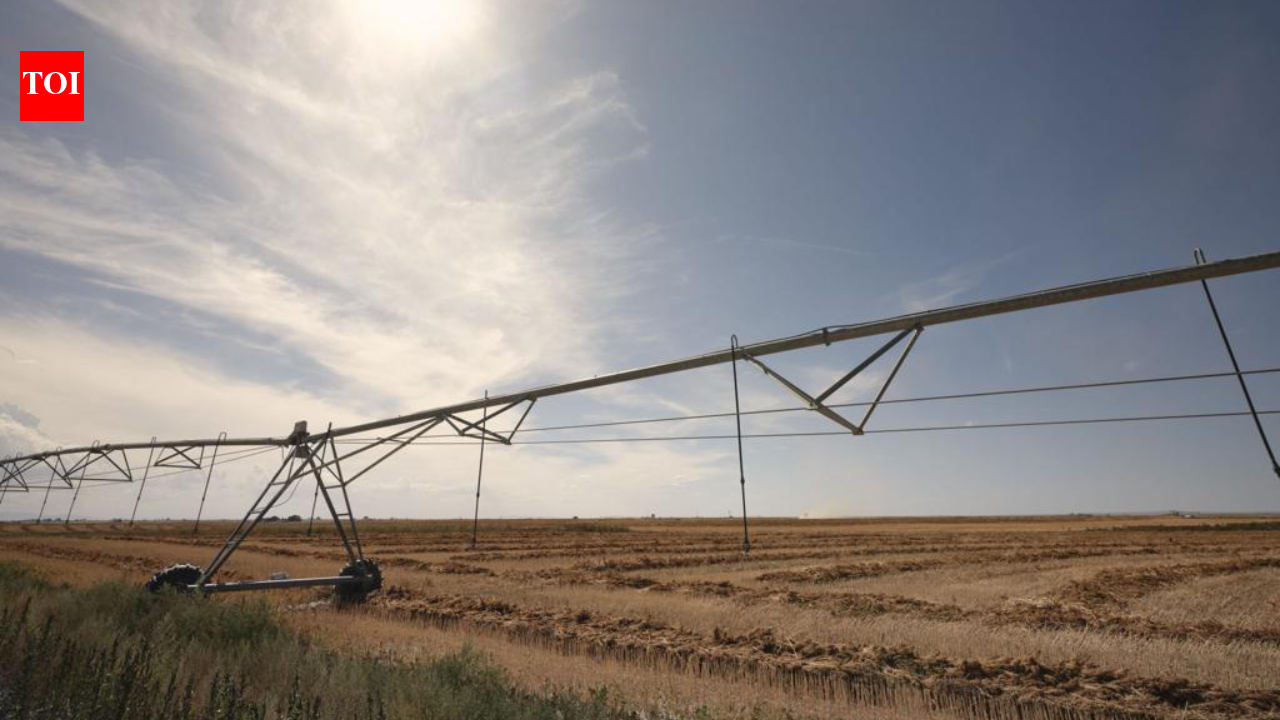
An Idaho farming family has filed a lawsuit against the state after an emergency water order shut off irrigation, destroying their crops. The case challenges the constitutionality of the Idaho Department of Water Resources' mandate regarding groundwater usage in the Snake River Basin.
The Legal Battle Over Idaho Water Rights
For three generations, the Bingham family has cultivated 1,000 acres of land near Blackfoot, Idaho, transforming the landscape into a productive hub for wheat, alfalfa, and potatoes since 1950. However, this legacy of agricultural success faces an existential threat following an emergency order issued by the Idaho Department of Water Resources (IDWR). By mandating the immediate cessation of groundwater pumping across vast swaths of the Eastern Snake River Plain, the state has effectively cut off the lifeblood of the Bingham farm, leading to immediate crop failure and significant financial distress.
The Constitutional Challenge
The lawsuit, filed in the Seventh Judicial District Court of Idaho in Bingham County, transcends a simple dispute over irrigation. At its core, the family is mounting a constitutional challenge against the state, asserting that the emergency order constitutes a violation of property rights. By depriving the family of the water necessary to sustain their livelihood without providing due process or fair compensation, the plaintiffs argue that the state has overreached its regulatory authority, effectively seizing the utility of their land without legal justification.
The Crisis of the Snake River Basin
This legal action highlights a broader, systemic struggle over the management of the Snake River Basin. As water levels have dwindled, the state has been forced to grapple with the complex intersection of senior and junior water rights. The Eastern Snake River Plain is a critical agricultural region where groundwater and surface water are inextricably linked, yet the management of these resources has become increasingly volatile. The IDWR’s decision to prioritize certain water interests over others has created a ripple effect, placing farmers in a precarious position where state-mandated conservation efforts directly result in personal economic ruin.
Broader Implications for Agriculture
The collapse of the Bingham family's crops as their soil dries out serves as a stark warning for the future of Idaho’s agricultural economy. If groundwater usage is curtailed in such an abrupt manner without a transitionary framework or compensatory mechanism, thousands of acres of productive farmland could be rendered fallow. This case may set a significant legal precedent, forcing the courts to decide whether the state has the right to unilaterally terminate access to essential water resources, or if such actions require a more robust, constitutionally sound legal process.
Future Trends and Judicial Outlook
Looking ahead, this lawsuit will likely become a focal point for water rights litigation in the American West. As climate variability continues to influence water availability, states will be increasingly pressured to implement restrictive policies. The outcome of the Bingham case will likely dictate how future water management orders are constructed, potentially requiring the state to provide greater transparency and financial mitigation for affected landholders. The struggle between the state's need for resource conservation and the individual farmer’s right to property will remain a defining tension in the region for years to come.