Trump says Putin agrees to supply Russian diesel to US and global markets
Source Entity
ROHITASHWA RANJAN
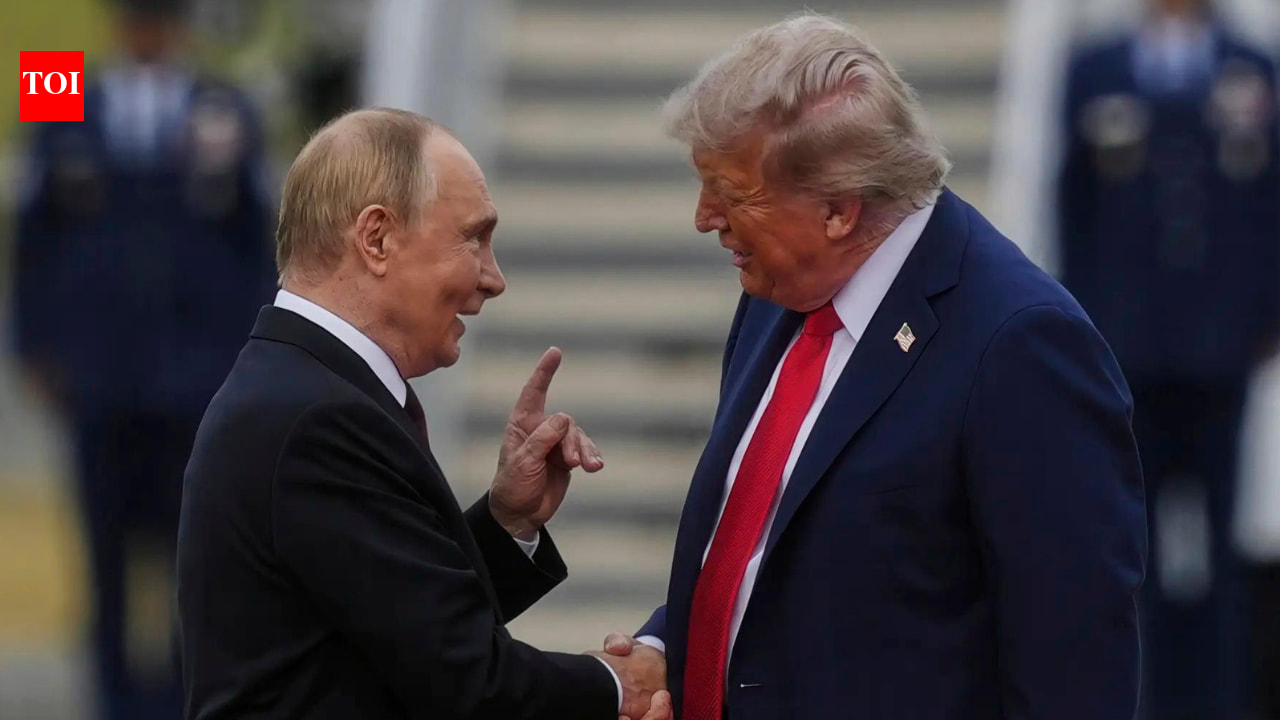
President Trump has announced a deal to import Russian diesel to lower domestic fuel prices, accompanied by a temporary suspension of related sanctions. This shift has drawn sharp criticism from Ukraine and raised questions about US foreign policy consistency.
The Shift in US Energy Policy
In a significant pivot of American foreign policy, President Donald Trump announced on October 9 that the United States has secured an agreement with Russia to import substantial quantities of diesel. This deal, aimed at alleviating inflationary pressures on fuel prices, involves an initial delivery of 300,000 tonnes, followed by 500,000 tonnes in November and 1 million tonnes in the subsequent period. To facilitate this, the administration has suspended sanctions on Russian fuel until April 2027, effectively reversing previous efforts to restrict the revenue streams funding Moscow's military operations in Ukraine.
Geopolitical Implications and Criticism
The decision has sparked immediate controversy, particularly given the timing of the announcement. Ukrainian President Volodymyr Zelenskyy has voiced strong criticism of the move, noting that it comes while his diplomatic team is actively engaging with the US to find pathways toward ending the ongoing conflict. By easing sanctions that were explicitly designed to deprive Russia of war-funding capital, the administration has introduced a complex layer of friction into its relationship with Kyiv, potentially undermining the messaging of Western solidarity against Russian aggression.
A Pivot from Prior Postures
This policy shift is particularly striking when contrasted with the administration's previous stance toward other nations. For months, the US had been pressuring India to curtail its energy imports from Russia, arguing that such purchases directly support the Russian war machine. The sudden embrace of Russian diesel to address domestic fuel costs marks a profound departure from this "hectoring" approach, leading to questions about the consistency of US sanctions policy and the weight of domestic economic pressures versus international diplomatic alignment.
Market Response and Economic Outlook
While the news resulted in an immediate, albeit modest, dip in diesel prices, market analysts remain skeptical regarding the long-term impact of the deal. The logistical complexity of importing large volumes of Russian fuel, combined with the volatility of global energy markets, suggests that these supplies may not be sufficient to sustain lower prices indefinitely. Furthermore, the volatility introduced by this policy change may cause ripple effects in global energy trade, as other nations observe how the US manages its own energy security requirements.
Domestic Politics and Future Trends
The announcement comes less than four weeks before the critical 3 November congressional elections, highlighting the role of fuel costs as a central issue in American politics. By prioritizing the immediate stabilization of fuel prices, the administration is clearly banking on the economic relief for consumers to offset the potential diplomatic fallout. Looking ahead, this move suggests a potential re-evaluation of how sanctions are utilized as a tool of statecraft, potentially signaling a move toward more flexible, pragmatic, and self-interested economic policies as the electoral cycle intensifies.
Multiple Citing Sources