
The modern consumer is trained to watch the price tag and the weight of the package. We have become experts at spotting shrinkflation—that irritating dance where a bag of chips retains its size but fills with more nitrogen than potato. But there is a quieter, more corrosive force at work in the global economy. It does not change the price or the volume. Instead, it hollows out the value. This is skimpflation: the deliberate reduction of quality, service, or staffing levels while the sticker price remains stubbornly stagnant. It is an invisible tax that targets the middle class, those who still pay for a perceived standard of living but find the actual experience decaying in real-time.
The Anatomy of the Invisible Tax
Skimpflation operates in the gap between a transaction and its fulfillment. While inflation is a macroeconomic phenomenon and shrinkflation is a packaging trick, skimpflation is a strategic operational shift. It manifests as the removal of the human element from service sectors or the substitution of premium ingredients for cheaper, synthetic alternatives that mimic the original taste. In the United Kingdom, this looks like the disappearance of the mid-tier hotel breakfast or the reduction of housekeeping frequency. In Southeast Asia, it appears as the rapid replacement of skilled retail staff with rudimentary kiosks that offer no actual assistance. The result is a degraded utility that the consumer is forced to accept because the alternatives are either non-existent or prohibitively expensive.
"The danger of skimpflation is not the immediate loss of a service, but the gradual normalization of mediocrity. When the baseline of quality drops across an entire industry, the consumer loses the ability to demand better."— Marcus Thorne, Global Market Strategist
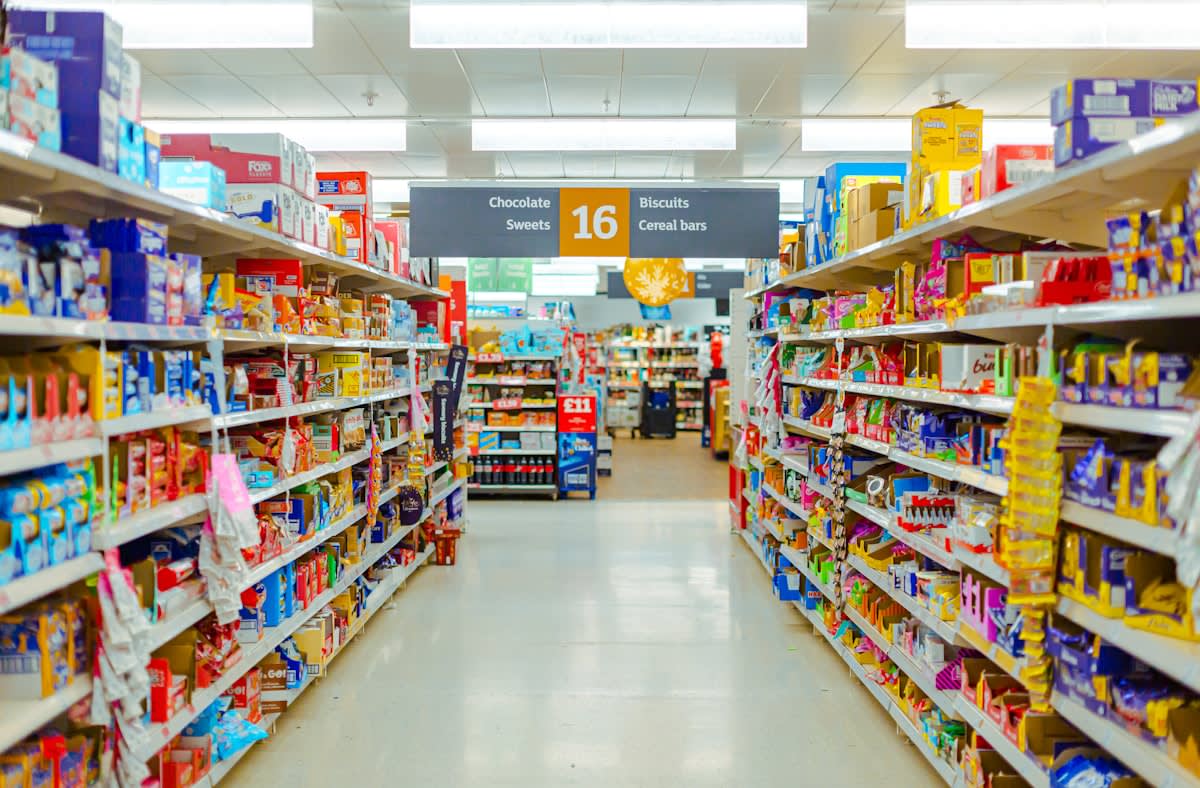
Why is this happening now? The contrarian view suggests this is not merely corporate greed, but a systemic response to a broken labor market. Companies are facing a dual pressure: rising wage demands and a shrinking pool of skilled entry-level labor. Rather than raising prices—which risks immediate consumer backlash and regulatory scrutiny—they optimize for margins by cutting the 'invisible' costs. They bet that the consumer will tolerate a slower response time or a thinner fabric if the price remains the same. It is a gamble on consumer inertia. They are trading long-term brand equity for short-term quarterly stability.
Strategic Insight
The Automation Trap: Many firms frame skimpflation as 'digital transformation.' Replacing a seasoned customer service agent with a limited AI chatbot isn't always about efficiency; it is often a cost-cutting measure that offloads the labor of problem-solving onto the customer.
This shift creates a profound friction for the global middle class. For decades, the promise of the middle class was access to a reliable standard of quality. Now, that standard is fracturing. When a bank replaces its branch managers with an app that cannot handle complex disputes, or a restaurant replaces fresh produce with frozen concentrates, the value proposition of the 'mid-tier' vanishes. We are seeing the emergence of a bifurcated economy: a luxury tier where humans still provide high-touch service for the elite, and a mass-market tier where quality is stripped to the bone. The middle is simply disappearing.
| Metric | Inflation | Shrinkflation | Skimpflation |
|---|---|---|---|
| Price Point | Increases | Stable | Stable |
| Quantity/Volume | Stable | Decreases | Stable |
| Quality/Service | Stable | Stable | Decreases |
| Consumer Visibility | High | Medium | Low |
| Primary Driver | Monetary Policy | Input Costs | Labor/Operational Costs |
The psychological impact of this erosion is significant. Unlike a price hike, which is a discrete event, skimpflation is a slow bleed. Consumers often find themselves questioning their own expectations rather than the product. They wonder if they are simply being too demanding when the hotel room isn't cleaned daily or when the software update removes a key feature. This gaslighting effect allows corporations to maintain their pricing power while delivering a product that is fundamentally inferior to what existed three years ago. It is a stealthy redistribution of wealth from the consumer's quality of life to the corporate bottom line.
Consider the global aviation industry. For years, the 'economy' experience was a baseline. Now, we see the 'unbundling' of every possible service. Water, blankets, and legroom—once standard—are now monetized. But skimpflation goes deeper than just charging for extras. It is the reduction in cabin crew training, the simplification of in-flight meals to the point of nutritional insignificance, and the reliance on automated kiosks that fail during system outages. The passenger pays the same base fare, but the actual utility of the journey has plummeted by an estimated 20% in perceived value across several international carriers.
- The 'Ghost Staff' Phenomenon: Stores that are open but have no one available to help customers.
- Ingredient Substitution: Replacing butter with seed oils or real cocoa with fillers in mid-range confectionery.
- Service De-skilling: Replacing expert technicians with generalists who follow a script.
- The Feature Fade: Software subscriptions that remove legacy tools while increasing the monthly cost.
- Maintenance Lag: Infrastructure and public services that remain funded but are repaired less frequently.

The systemic risk here is the destruction of brand loyalty. In a world where every company is skimping, the competitive advantage shifts from 'who provides the best value' to 'who skimps the least.' This is a race to the bottom. When a brand erodes its quality to save 5% on operational costs, it may see an immediate bump in margins, but it destroys the emotional contract with the consumer. Once the consumer realizes they are paying for a ghost of a former product, the switching cost drops to zero. We are entering an era of extreme brand volatility where loyalty is no longer bought with consistency, but is merely a lack of better options.
How does the middle class adapt? Resilience in this environment requires a shift from passive consumption to active auditing. Consumers must begin to track the 'Value Delta'—the difference between what they paid five years ago and the actual utility they receive today. This means diversifying providers and moving away from the 'trusted' legacy brands that are most prone to skimpflation. There is a growing opportunity for new, transparent entrants who explicitly market 'un-skimped' services. The market is creating a vacuum for authenticity and genuine quality, providing a window for agile companies to capture the disillusioned middle class.
Ultimately, skimpflation is a symptom of a broader economic malaise where growth is sought through subtraction rather than innovation. True growth comes from adding value, not by calculating how much can be removed before the customer notices. The companies that will thrive in the next decade are those that recognize the fatigue of the global consumer. They will realize that in an age of invisible taxes and eroding standards, the most radical and profitable strategy is simply to deliver exactly what the label promises. The middle class is not disappearing; it is simply looking for a place where its money still buys the quality it deserves.