
The Thermal Crisis
Heat kills chips. Silicon doesn't handle 100-degree spikes without help. First Street reports 54 percent of global capacity sits in high-risk zones. This means more than half the world's data is sweating.
Global Data Center Capacity at Risk from Heat
Executive Insight
+18.4%
YTD Growth
Asia-Pacific faces the worst reality with 89 percent of capacity at risk. Compare that to North America where 46 percent struggle. Europe sits in the middle at 50 percent. Local grids buckle under this load.
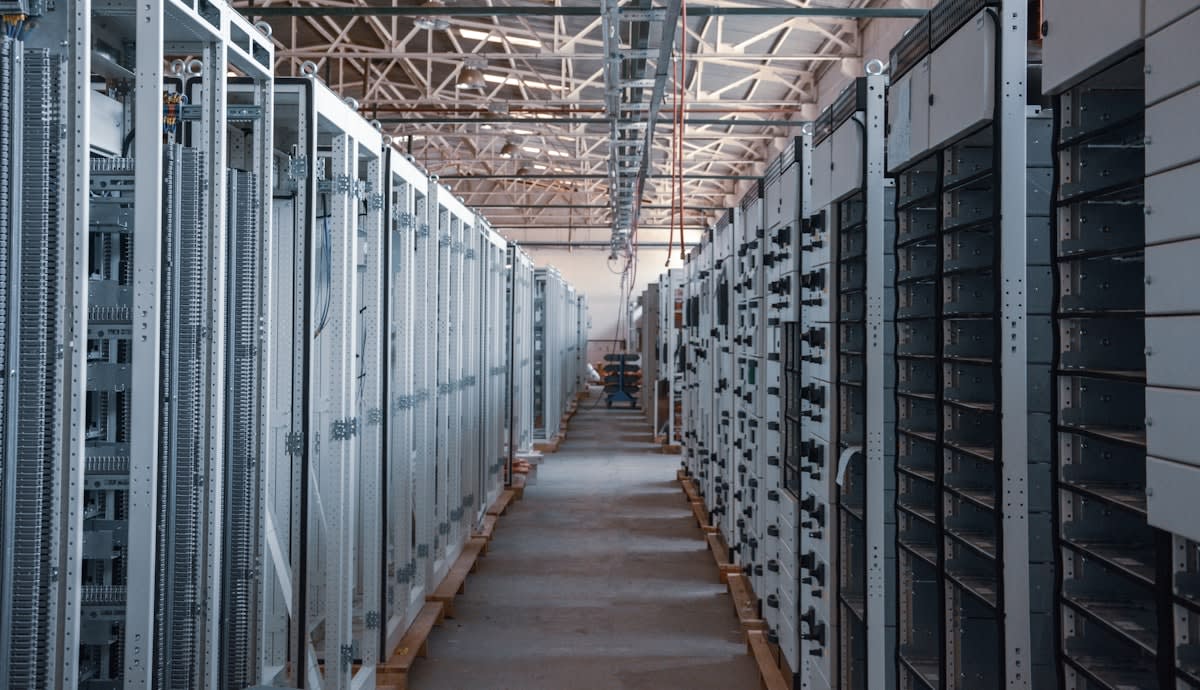
Managing this heat requires a hard look at the hardware.
What You Will Need
- High-voltage power feeds capable of handling peak AC surges.
- Secured water rights for hybrid cooling in drought-prone zones.
- Industrial-grade diesel generators for grid failure backup.
- Precision humidity controllers for sensitive micro-electronics fabrication.
Operationalizing the Cool
- Audit site selection against First Street climate risk data to avoid chronic heat zones.
- Deploy waterless cooling systems in regions where the Environment Agency warns of water stress.
- Integrate dry room technologies from specialists like DryR to maintain stable temperature and humidity for lithium battery production.
- Coordinate with local utility providers to prevent brownouts during seasonal heatwave spikes.
"Institutions that incorporate climate risk into site selection, underwriting, and capital allocation decisions will be better positioned to identify resilient opportunities and manage long-term exposure."— First Street Report
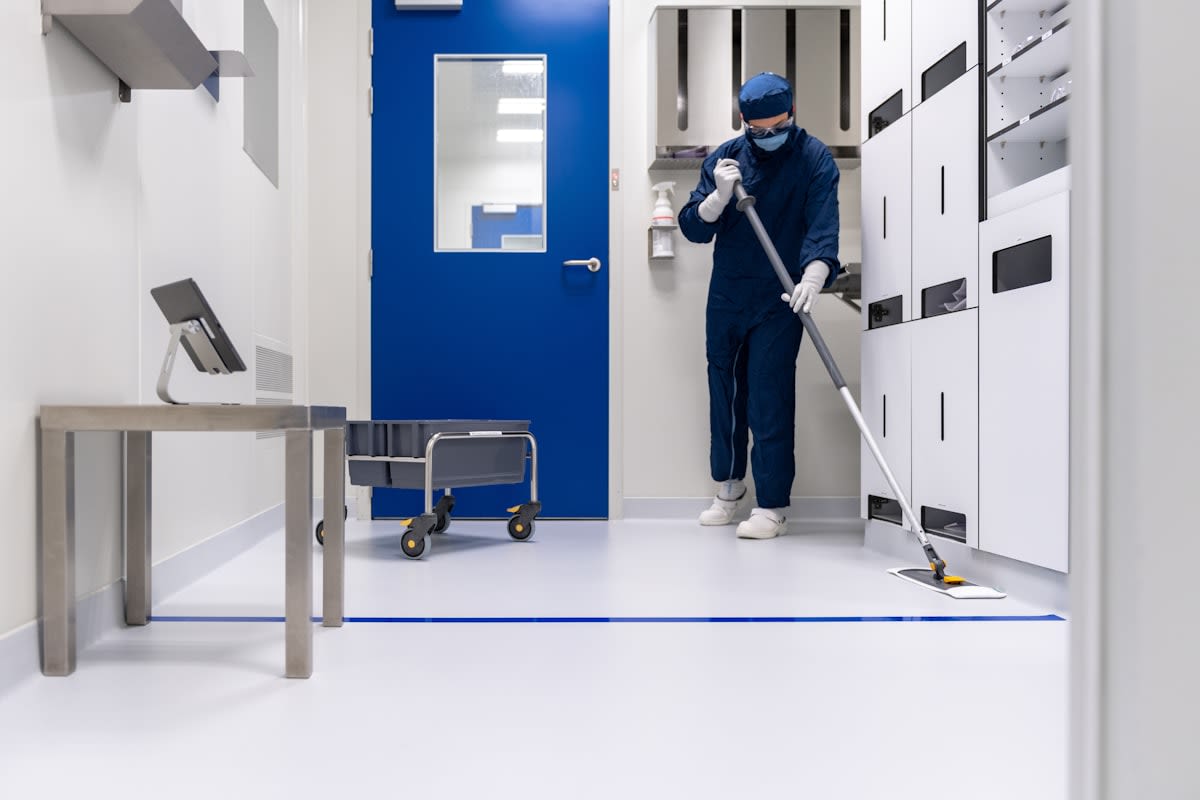
Hardware alone won't save a bad plan.
Common Pitfalls
- Trusting TechUK's claim that 51 percent of centers use waterless cooling while ignoring the water intensity of hybrid systems.
- Ignoring the operational friction caused by diesel generator fumes in residential neighborhoods.
- Underestimating the impact of high humidity on hardware wear and tear in eastern U.S. environments.
- Assuming that standard air conditioning is sufficient for micro-electronics without precision humidity control.