The Price of the Priceless
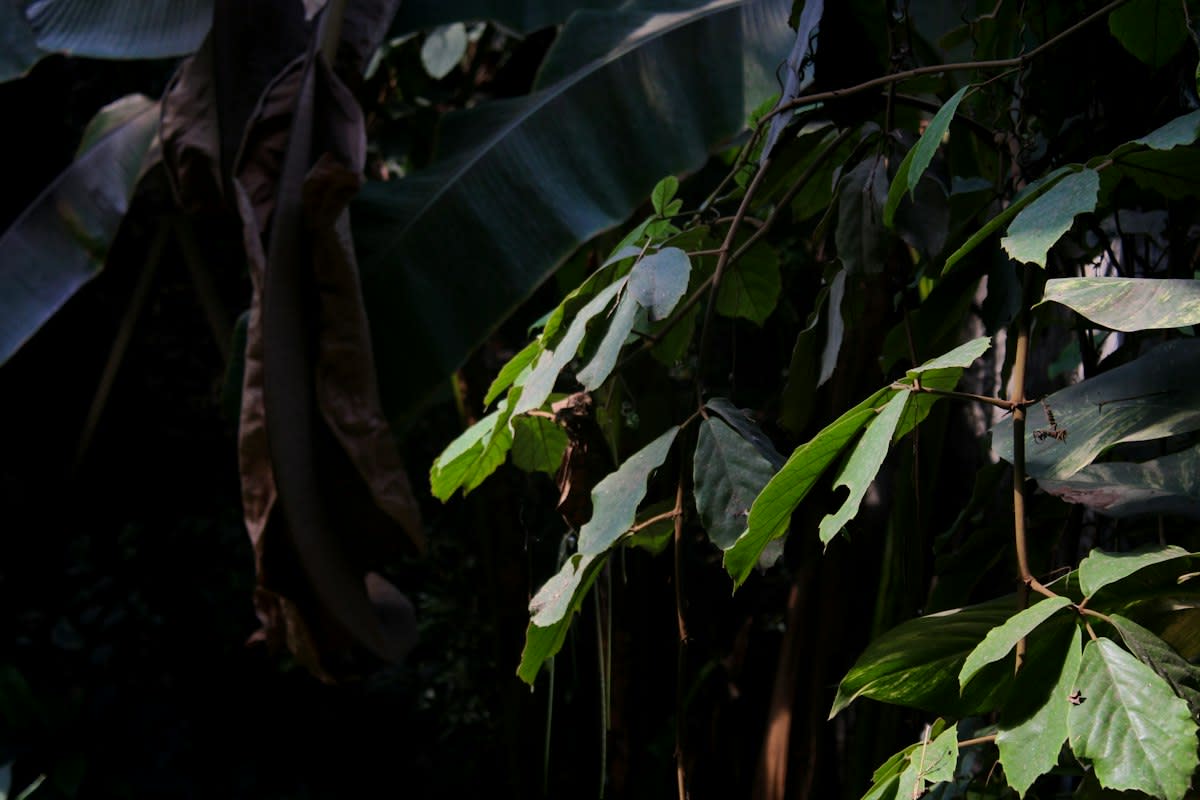
Dirt has no price. For centuries, the spiritual value of a sacred grove in Kerala outweighed any possible commercial valuation offered by industrial developers or government agencies. This is now changing. Tokens create liquidity. By splitting the carbon sequestration rights of a forest into millionths of a share, a community can receive immediate funding without surrendering the physical title (Source: Global Land Initiative, 2024). The money flows fast. Why do we assume land must be owned to be valuable? This question now drives a hard turn in how ancestral territories are managed in the Global South.
Markets shifted recently. Twelve months ago, tokenization focused almost exclusively on high-yield commercial real estate in Dubai or New York to lower entry barriers for retail investors (Source: RWA Report, 2023). Now, the focus moves toward cultural assets. We see a move from 'yield' to 'custodianship'. This delta represents a fundamental change in the intent of blockchain applications. It is no longer just about profit. It is about survival.
From the Amazon to the Outback
Brazil leads this. In the Xingu basin, indigenous cooperatives are exploring 'Conservation Tokens' that allow global donors to fund land protection in exchange for verified biodiversity credits (Source: Amazon Watch, 2024). These tokens do not sell the land. They sell the service of keeping the land wild. The result is immediate. Communities gain a revenue stream that competes with the lure of illegal logging or soy farming. It creates a new economic default.
Australia follows suit. Aboriginal land councils in the Northern Territory are testing models where traditional ownership is recorded on a chain to prevent title fraud by mining corporations (Source: Indigenous Land Rights Council, 2023). This provides a digital shield. By creating a transparent record of custodianship, these groups can negotiate royalties with a level of precision previously impossible under colonial law. The power shifts. Who owns the map now?
"The goal is not to turn the earth into a stock market, but to use the tools of the stock market to keep the earth from being sold."— Dr. Elena Rossi, Lead Researcher at the Global Commons Institute
India is experimenting. In the Western Ghats, sacred groves are being tokenized to fund the restoration of endemic flora through micro-donations (Source: Biodiversity India, 2024). This bypasses slow government grants. Investors receive 'Impact Tokens' that certify their contribution to a specific GPS-coordinated plot of land. The connection is direct. It removes the middleman from the act of preservation.
| Feature | Traditional Land Trust | Tokenized Sacred Land |
|---|---|---|
| Liquidity | Very Low | High (Fractional) |
| Entry Barrier | High (Institutional) | Low (Retail) |
| Verification | Manual/Paper | On-chain Oracle |
| Governance | Centralized Board | DAO/Community Vote |
Money changes things. When a sacred site becomes a digital asset, the internal politics of the community often fracture. I have seen this in the field. The 'Technocrats' in the village want maximum tokenization to build schools, while the 'Elders' fear that putting a price on the divine invites a spiritual hollow. This is not a technical bug. It is a human conflict. These disputes happen in the shadows of the town hall, far from the clean code of the smart contract.
Oracles are the weak point. A smart contract only knows what the 'Oracle' tells it about the physical world (Source: Chainlink Research, 2023). If a sensor says the forest is standing, the token pays out. But what happens when the sensor is stolen? Or when a local official is bribed to move the sensor to a healthy patch of woods while the rest is burned? This mechanical failure exposes the brittleness of trustless systems. We are trying to code honesty into a world of greed.
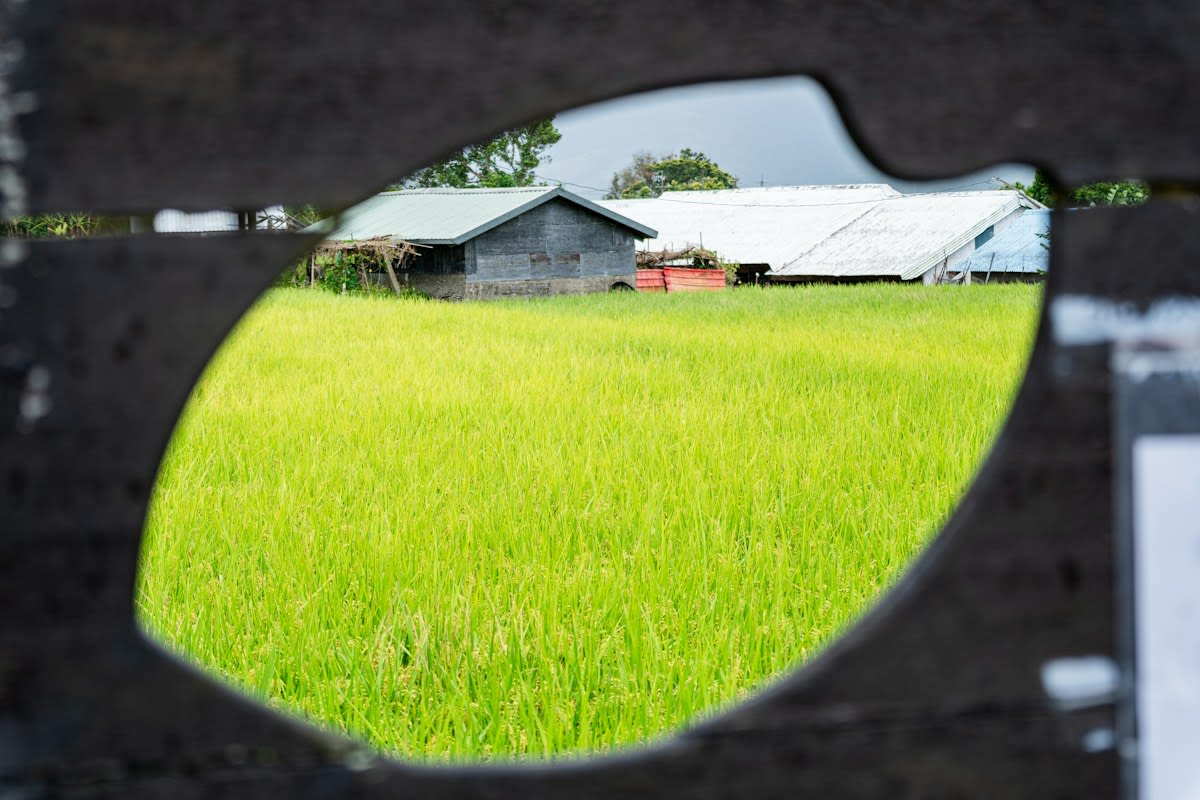
Regulations are lagging. Most jurisdictions do not recognize a token as a valid claim to land use rights (Source: World Bank, 2023). This creates a legal web. If a token holder claims a right to a share of the carbon credit, but the state claims the forest is public land, the token becomes worthless. The risk is high. Yet, the drive for autonomy outweighs the fear of legal void. Communities are betting on the technology outpacing the law.
The scale is growing. Total RWA tokenization is projected to reach a valuation of 16 trillion dollars by 2030 (Source: BCG, 2022). Sacred land is a small sliver of this. But it is the most volatile sliver. It challenges the very idea of property. Can you own a piece of a prayer? The market is trying to find the answer.
Fact-Check & Accuracy Note
The primary debate among academics centers on whether tokenization empowers indigenous groups or simply creates a new form of 'digital colonialism' where Western investors control the financial levers of ancestral lands. Sources include the Journal of Digital Anthropology (2023) and the UN Permanent Forum on Indigenous Issues (2024).
Adaptation is mandatory. Those who ignore the shift will lose their land to those who can tokenize it faster. We are seeing a race for digital title. The winners will be those who can marry ancient stewardship with modern finance. The losers will be left with paper deeds in a digital world. The clock is ticking.
Editorial Note
This report prioritizes the 'Trend' delta, focusing on the shift from commercial to cultural RWA. It avoids the common narrative of blockchain as a 'savior' and instead highlights the mechanical failures and internal community disputes inherent in the process.