Moshi garbage depot tragedy: PCMC to give flats to families of victims
Source Entity
The Indian Express
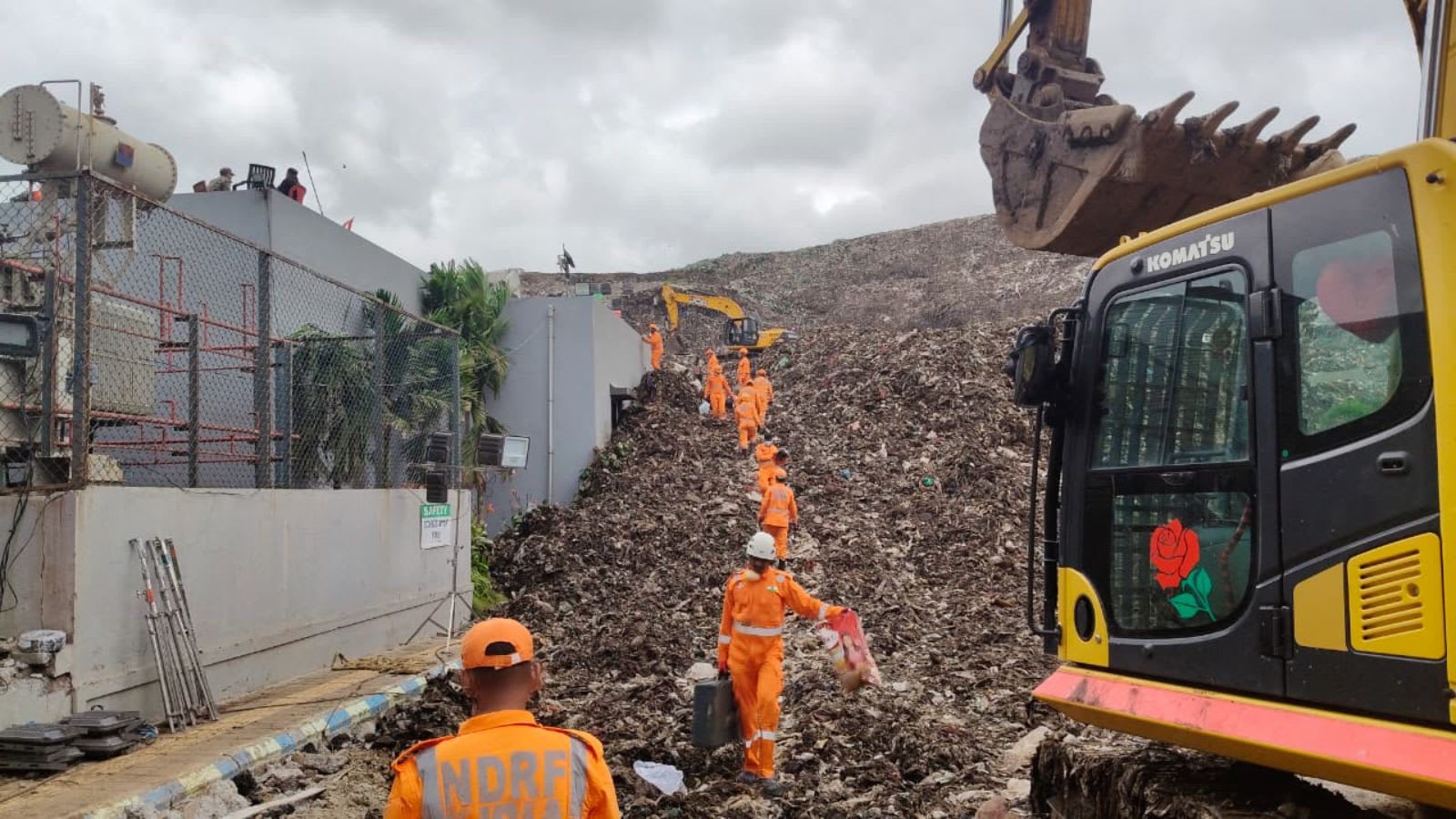
The Pimpri Chinchwad Municipal Corporation (PCMC) is allocating SRA flats to the families of workers who died in the July 8 Moshi garbage depot tragedy. This initiative aims to provide long-term housing security to the bereaved legal heirs following the fatal accident.
Addressing the Tragedy at Moshi Garbage Depot
The recent decision by the Pimpri Chinchwad Municipal Corporation (PCMC) to provide housing to the families of victims from the July 8 accident at the Moshi garbage depot marks a critical step in administrative accountability. The tragedy, which claimed the lives of workers stationed at the municipal facility, has prompted a swift, albeit reactive, intervention from local government authorities to mitigate the suffering of the survivors.
Providing Security Through Housing
Under the directive issued by Municipal Commissioner Dr. Vijay Suryawanshi, the PCMC will allot flats from the Slum Rehabilitation Authority (SRA) project in Yashwantnagar, Pimpri, to the legal heirs of the deceased. By transferring ownership of these residential units, the corporation is moving beyond mere monetary compensation, attempting to provide a permanent asset that ensures long-term housing stability for families who have likely lost their primary breadwinners.
The Role of Municipal Governance
Municipal corporations in India often face significant challenges in managing waste processing sites like the Moshi depot, which serve as essential infrastructure for rapidly urbanizing regions. The accident underscores the inherent dangers faced by sanitation and depot workers who operate in hazardous environments. This administrative response reflects a growing recognition that municipal bodies must take active responsibility for the welfare of their workforce, especially when fatal workplace incidents occur.
Implications of the Relief Package
The decision to utilize existing SRA housing stock is a pragmatic approach to crisis management. By leveraging municipal resources already under their control, the PCMC is able to bypass the complexities of private market procurement. This strategy highlights a shift toward using public-private or public-authority housing projects as a tool for social welfare and disaster relief, a trend that may serve as a template for other civic bodies across India.
Future Outlook and Safety Standards
While the provision of flats offers immediate relief, the broader implication remains the necessity for rigorous safety audits at waste management sites. The Moshi incident serves as a grim reminder of the risks associated with municipal waste disposal. Future trends in urban management will likely demand stricter adherence to occupational health and safety protocols to prevent such tragedies from reoccurring, ensuring that the legacy of this event is one of improved industrial safety standards alongside compassionate social support.