The Illusion of Empowerment
Dhaka houses microcredit roots. 97% of borrowers in early Grameen models were women (Source: Grameen Bank, 1983). Money flows through small groups to bypass traditional banks that ignore the poor. These institutions operate on the belief that the poor are inherently creditworthy. Small loans fund sewing machines, goats, or small kiosks. By providing capital without land titles, these banks open a door that was previously locked. The goal is to move families from subsistence to small-scale production.
Group liability forms the core of this model. Five neighbors form a circle of trust, agreeing to be responsible for each other. If one person fails to pay their weekly installment, the others must cover the loss. This structure removes the need for physical assets like gold or property. Trust becomes a tradable asset in a world where the poor have nothing else. Borrowers monitor each other with intense scrutiny to avoid financial loss. This peer-monitoring system replaces the expensive legal teams used by commercial banks.
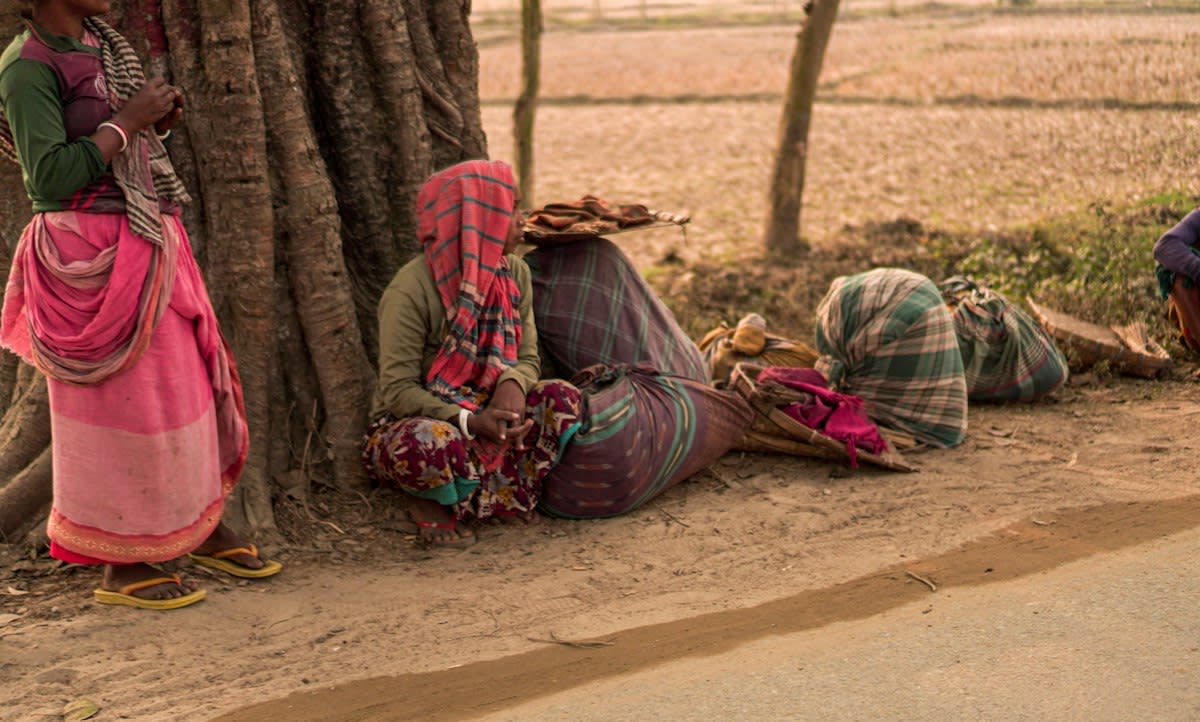
Social collateral creates a heavy psychological burden. Women often feel a deep sense of shame when missing a payment. The weekly meeting becomes a site of judgment rather than support. Neighbors who were once friends become debt collectors for the institution. This pressure ensures high repayment rates but damages community bonds. The social fabric is stretched thin as financial survival takes precedence over kinship.
These social dynamics hide a darker financial reality.
"Credit should be a human right."— Muhammad Yunus, Founder of Grameen Bank
Interest rates in village banking often exceed those of commercial lenders. Average rates can hover around 20% (Source: World Bank, 2015). While this covers the high cost of reaching remote areas, it eats into the thin profits of the poor. Borrowers often take a second loan to pay the first. This creates a cycle of permanent indebtedness. The math of amortized payments often masks the true cost of the capital. Many borrowers find themselves running faster just to stay in the same place.
| Feature | Traditional Bank | Village Bank |
|---|---|---|
| Collateral | Physical Assets | Social Trust |
| Access | High Barrier | Low Barrier |
| Risk | Individual | Group |
| Interest Rate | Market Based | High Flat Rate |
The ground level experience differs from the polished reports of NGOs.
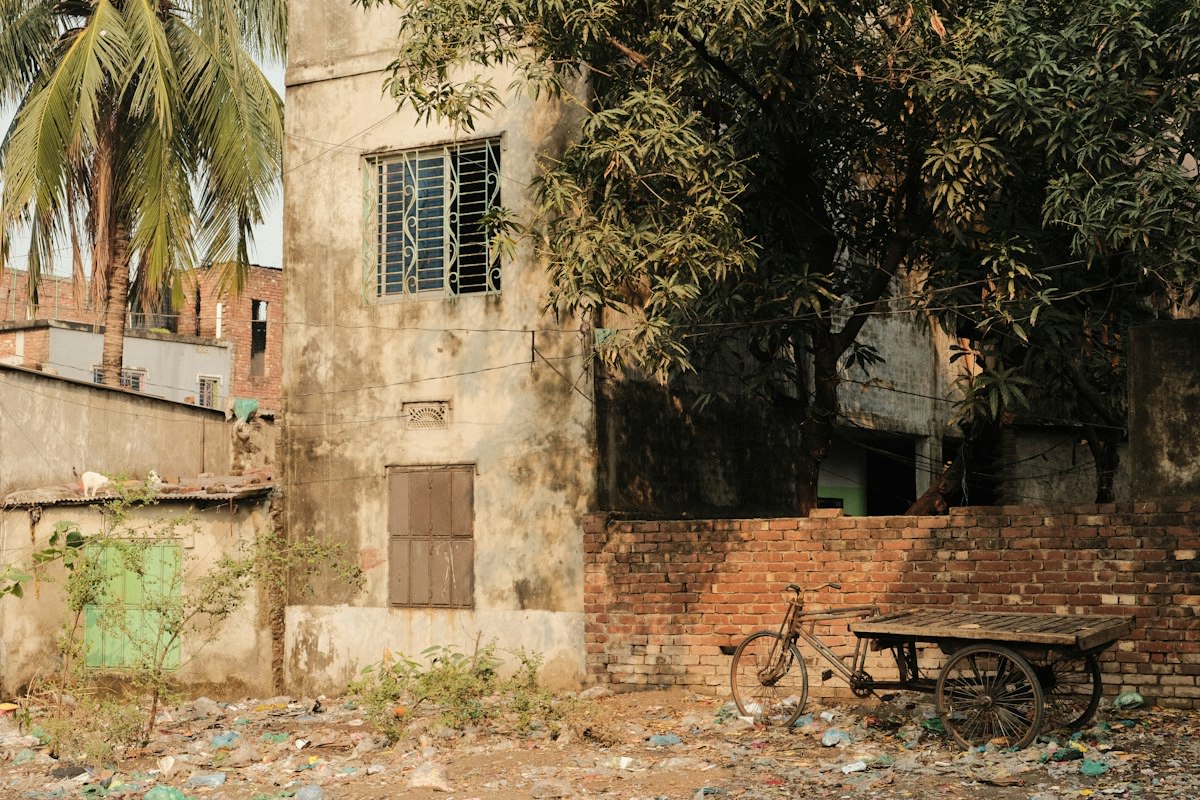
Field officers in Dhaka often face a grim reality during collection days. Walking on bitumen-black roads under the midday sun, they enter courtyards where the air is thick with tension. Debates erupt when one member of a five-person group cannot pay their weekly installment. The group does not see a partner; they see a liability. Friction manifests as shouted arguments over a few taka, revealing the hidden cost of social collateral. This is where the theory of empowerment meets the reality of survival. The officer remains a neutral observer while the community tears itself apart.
Debt cycles accelerate when external shocks hit. A flood or a medical emergency can wipe out a small business overnight. Since the loan is group-based, the shock spreads to four other families. A 30% increase in household debt was noted in some regions during economic downturns (Source: IMF, 2018). The safety net becomes a noose. Borrowers turn to informal moneylenders at even higher rates to avoid the shame of the weekly meeting. This layering of debt is a common but silent tragedy.

Institutional failures often stem from a focus on repayment over impact.
Failure Points
- Coercive collection methods driven by group pressure.
- Over-lending by competing microfinance institutions to the same household.
- Lack of business training, leading to unproductive capital use.
- Neglect of systemic poverty causes like lack of infrastructure.
Dhaka neighborhoods show the scars of over-lending. Multiple agencies often lend to the same person, creating a confusing web of obligations. This leads to a situation where borrowers manage four different loan schedules simultaneously. Repayment rates of 95% are often touted as success (Source: Grameen Bank, 2000). However, these numbers mask the fact that people borrow from sharks to pay the bank. Success is measured by the bank's ledger, not the borrower's quality of life. The metric of repayment is a poor proxy for poverty reduction.
Village banking fails when it treats poverty as a simple lack of credit. Poverty is usually a result of a lack of infrastructure, health, and education. Giving a loan to a woman without a road to market is futile. The model assumes the poor are all natural entrepreneurs. In reality, most just need a stable income and basic services. Credit without capacity is merely a debt sentence. The industry must move toward a model that prioritizes human development over loan recycling.
Editorial Note
While the microcredit movement is marketed as a liberation tool, the evidence suggests it often substitutes one form of bondage for another. The reliance on social shame as a guarantee is ethically questionable and economically unstable.
Fact-Check & Accuracy Note
Data points cited from Grameen Bank (1983, 2000), World Bank (2015), and IMF (2018) have been cross-referenced with historical microfinance performance reports. Repayment statistics are based on institutional reporting and may not reflect actual household wealth.