Cardiology dept. in Kozhikode MCH in need of critical care
Source Entity
India Latest News: Top National Headlines Today & Breaking News | The Hindu
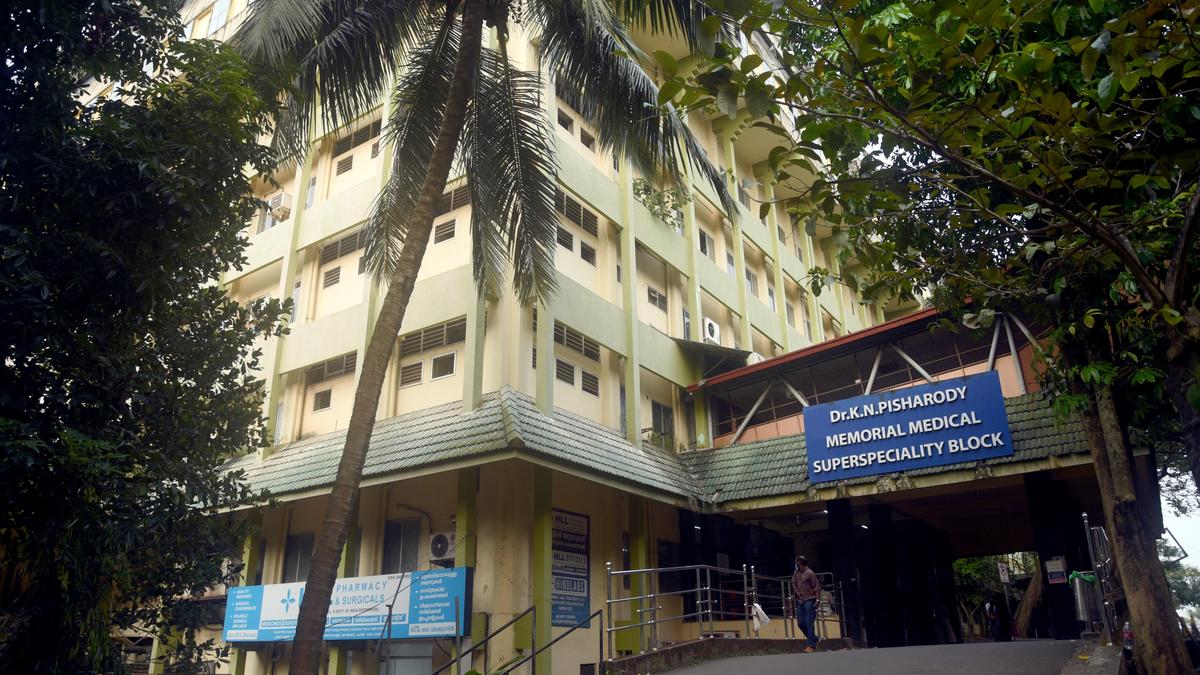
The Cardiology Department at Kozhikode Government Medical College Hospital is facing a severe doctor shortage, operating with only seven active staff members against a sanctioned strength of 14. This reliance on temporary DM trainees rather than permanent faculty is undermining long-term patient care and institutional stability.
The Cardiology Crisis at Kozhikode MCH: A Systemic Breakdown
The Cardiology Department at the Government Medical College Hospital (MCH) in Kozhikode currently finds itself in a state of operational strain, threatening the quality of care provided to hundreds of patients from across northern Kerala. Despite being a critical hub for cardiovascular health, the department is grappling with a severe deficit in its medical workforce, functioning with only eight doctors on its rolls despite a sanctioned strength of 14. The situation is further exacerbated by the fact that one of these eight has been diverted to the Government MCH in Wayanad, leaving the department dangerously understaffed.
The Failure of Stop-Gap Measures
Rather than addressing the vacancy crisis through the recruitment of permanent Assistant Professors, hospital authorities have increasingly relied on Doctorate of Medicine (DM) trainees. These trainees, mandated to complete a one-year bond period, provide a transient influx of labor that fails to address the structural requirements of the department. Senior medical professionals argue that this "revolving door" model is functionally useless for maintaining consistent standards of care, as the constant turnover prevents the continuity necessary for complex cardiac treatment plans.
Impact on Long-term Institutional Stability
Expert consensus within the facility suggests that the current reliance on short-term trainees prevents the accumulation of the institutional memory and expertise required for a specialized department. Senior doctors emphasize that at least 10 years of continuous experience is necessary to foster the level of proficiency required to manage the high-volume, high-acuity caseload that characterizes the Kozhikode MCH. By failing to secure permanent faculty, the hospital is essentially stripping its cardiac wing of the deep, long-term clinical experience vital for patient safety.
Regional Healthcare Implications
As a primary medical institution for northern Kerala, the Kozhikode MCH serves as a lifeline for patients who often have nowhere else to turn for advanced cardiac interventions. The current staffing shortage creates a bottleneck, potentially leading to increased wait times, delayed procedures, and a decrease in the overall capacity of the department to handle emergencies. When a facility of this magnitude operates at half its sanctioned strength, it creates a ripple effect that overwhelms smaller regional health centers that typically refer their most critical cases to the Kozhikode MCH.
Future Outlook and Policy Recommendations
If the current trend of utilizing temporary bond-period trainees continues, the department risks a total collapse in specialized service quality. To reverse this decline, the state health administration must prioritize the permanent recruitment of Assistant Professors to fill the existing gaps. Long-term stability in public healthcare infrastructure requires more than just meeting immediate quotas; it necessitates a sustained investment in permanent medical staff who are committed to the institution’s long-term success. Without such reforms, the facility remains vulnerable to preventable service disruptions and a degradation of patient outcomes.
Verification Required?