Davina McCall says memory loss after brain surgery felt like 'advanced Alzheimer's'
Source Entity
BBC News
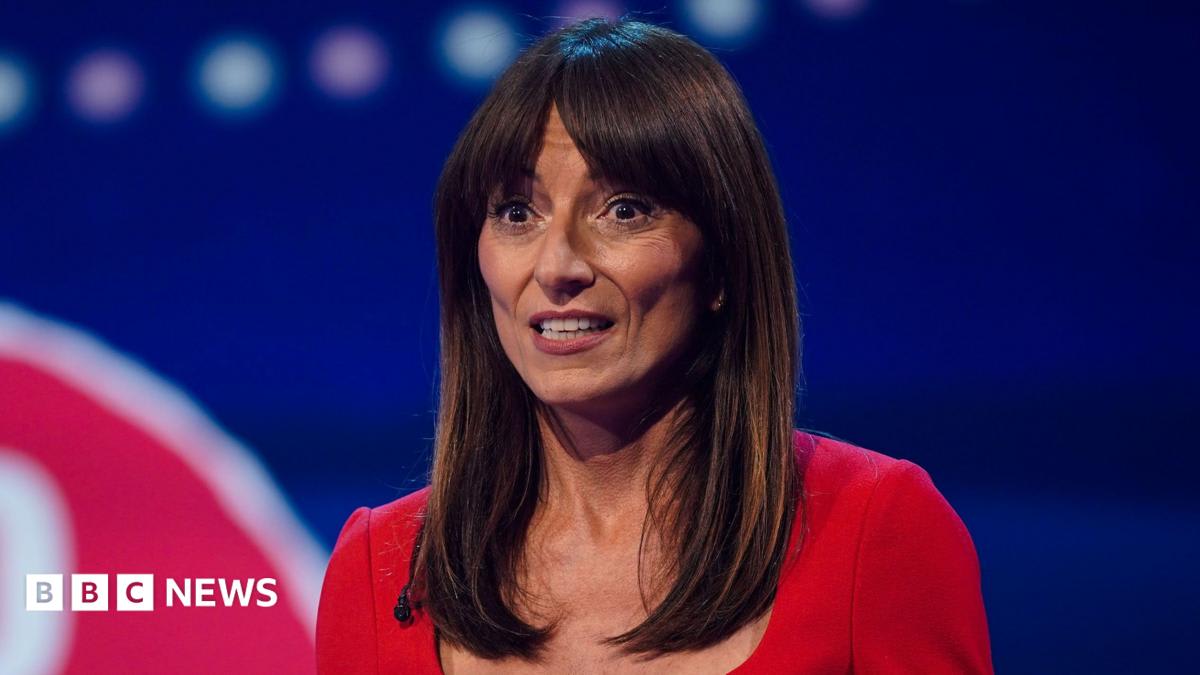
TV presenter Davina McCall revealed she experienced severe memory loss akin to advanced Alzheimer's following surgery to remove a benign brain tumour in 2024. The 58-year-old discussed her challenging recovery process during a recent podcast appearance.
The Hidden Challenges of Neurosurgical Recovery
In a candid disclosure on the Mad, Sad and Bad podcast, television presenter Davina McCall has shed light on the harrowing cognitive aftermath of her 2024 brain surgery. The 58-year-old, known for her high-energy persona on shows like Big Brother and The Masked Singer, revealed that the removal of a benign colloid cyst resulted in profound, temporary memory impairment that she likened to the symptoms of "advanced Alzheimer's."
Understanding the Cognitive Impact of Brain Surgery
The phenomenon McCall describes—a sudden, severe deficit in memory and recognition following intracranial procedures—is a known, albeit traumatic, risk associated with neurosurgery. Even when a tumour is benign, the physical intrusion into the brain’s structure can disrupt neurological pathways responsible for memory formation and retrieval. For McCall, the immediate post-operative period was characterized by total confusion, where she was unable to recall the procedure itself, illustrating the acute impact surgery can have on the brain's delicate processing centers.
The Psychological Burden of Post-Operative Confusion
McCall’s account of being repeatedly unable to name a staff member during her recovery highlights the repetitive nature of cognitive testing in clinical settings. This experience underscores the psychological strain patients face when their internal sense of self and continuity is disrupted. By sharing her vulnerability, McCall brings visibility to the often-hidden struggles of surgical recovery, moving beyond the physical scars to address the invisible cognitive shifts that patients must navigate as they regain their mental faculties.
The Role of Routine and Cognitive Rehabilitation
Recovery from such significant neurological events is rarely linear. The medical staff's routine of checking for name recall is a standard, yet critical, component of post-operative neurological monitoring. These repetitive interactions act as a diagnostic tool to track the restoration of memory. McCall’s experience serves as a powerful reminder that cognitive recovery is a process that requires patience, professional support, and time, regardless of the patient's public profile or prior health status.
Broader Implications for Health Advocacy
By speaking openly about her experience with a colloid cyst, McCall is contributing to a broader public understanding of brain health. Colloid cysts, while often benign, can present life-threatening complications if left untreated, making early detection—as was the case for McCall during a routine health check—vital. Her story emphasizes the importance of proactive health screenings and destigmatizes the discussion surrounding brain surgery and the subsequent cognitive recovery journey.
Conclusion: A Path Toward Awareness
Davina McCall’s recovery journey highlights the complexity of brain surgery and the resilience required to navigate the aftermath. As she continues to share her story, she provides comfort to others undergoing similar procedures, reinforcing the necessity of mental health support during recovery. Her openness ensures that the conversation around neurosurgical outcomes remains grounded in reality, highlighting both the fragility and the capacity for recovery inherent in the human brain.