Legendary FPS level designer Richard "Levelord" Gray dies at 68
Source Entity
Kyle Orland
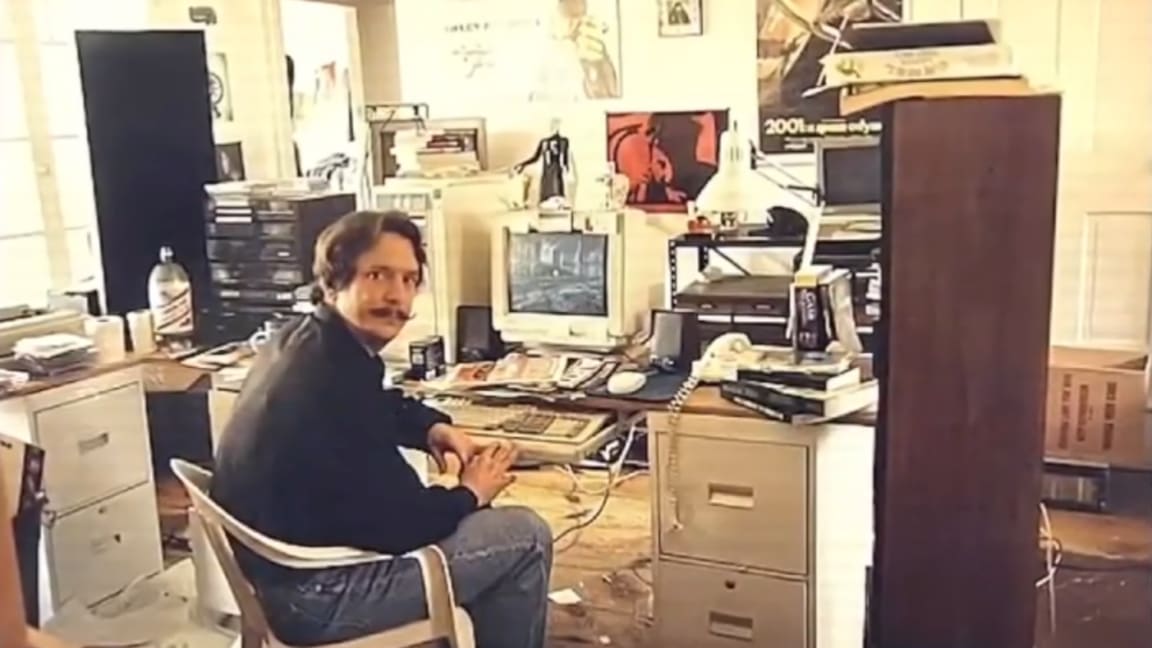
Legendary FPS level designer Richard "Levelord" Gray has passed away at 68 following a battle with cancer. His influential work on iconic titles like Duke Nukem 3D and Blood helped define the first-person shooter genre during the 1990s.
Remembering Richard "Levelord" Gray: A Titan of FPS Design
The gaming industry mourns the loss of Richard "Levelord" Gray, a pioneering level designer whose contributions helped shape the golden age of first-person shooters (FPS). Passing away at 68 after a long battle with cancer, Gray leaves behind a legacy that transformed how players interact with virtual environments. His work, particularly on Duke Nukem 3D, remains a benchmark for spatial design and environmental storytelling in the industry.
From COBOL to Cult Classics
Gray’s entry into game development was unconventional. After studying computer engineering in the 1980s and experimenting with early programming languages like COBOL, he didn't enter the professional scene until age 35. His breakthrough came in 1994 with the release of GrayDoom, a collection of four maps for Doom. These maps gained significant traction on digital distribution hubs like CompuServe, demonstrating that community-driven content could serve as a legitimate gateway to professional game development.
The Rise of the Levelord
His talent for crafting intricate, immersive spaces quickly caught the attention of the industry. Nick Newhard of Q Studios recruited Gray to contribute to the cult classic Blood, a title renowned for its challenging level design and atmospheric horror. This collaboration solidified his reputation as a master of the craft, leading to his tenure at 3D Realms. During his time there, Gray was given creative autonomy to design nearly half of the levels for Duke Nukem 3D, an experience that would define his career.
Shaping the FPS Genre
Gray’s design philosophy went beyond simple room-to-room combat. He excelled at creating levels that felt like cohesive, lived-in spaces, often incorporating interactive elements and secrets that rewarded player curiosity. In an era where 3D engines were still in their infancy, his ability to manipulate architecture to guide player pacing and create tension was revolutionary. His work contributed directly to the commercial and critical success of the 3D Realms catalog during the mid-to-late 1990s.
A Lasting Industry Impact
Beyond the specific maps he authored, Gray’s career serves as a blueprint for the modern indie developer. His path—moving from a fan creator sharing maps online to a lead designer on industry-defining projects—mirrors the democratization of game development that continues today. As the gaming world reflects on his passing, it is clear that the "Levelord" did not just design levels; he designed the foundational experiences that allowed the FPS genre to evolve into the cinematic powerhouse it is today. His influence remains embedded in the DNA of contemporary level design, ensuring his contributions will be felt for generations to come.