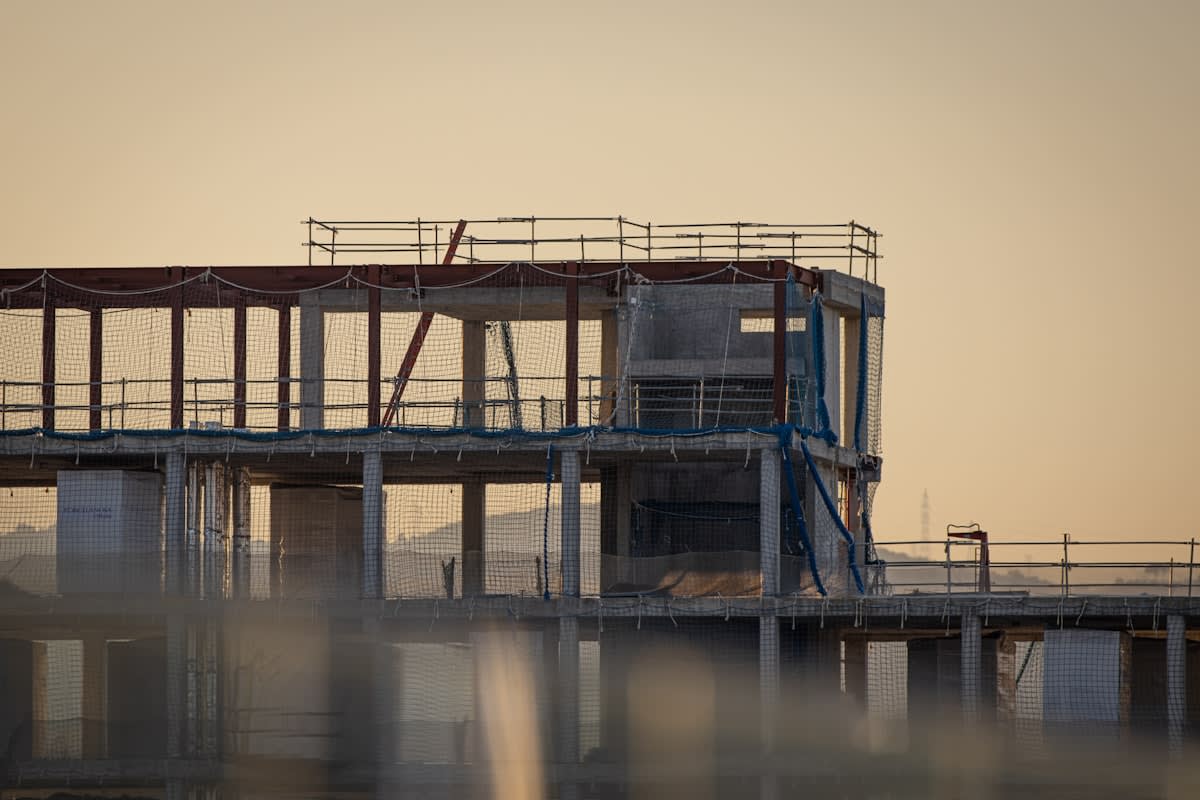
Water is no longer a utility. It is a financial instrument. For decades, the global approach to water infrastructure was rudimentary: build a massive plant, hope the pipes didn't leak, and charge a flat fee to the citizenry. This legacy model is crumbling under the weight of aging assets and inefficient management. But where most see a looming crisis of scarcity, the strategic investor sees a massive opportunity for a structural pivot. Enter Water-as-a-Service (WaaS), a model that decouples the delivery of water from the ownership of the infrastructure.
Why does this shift matter now? Because the cost of capital is changing and the tolerance for operational inefficiency has vanished. In a WaaS model, a customer—whether a multinational corporation or a mid-sized city—doesn't buy a desalination plant or a filtration system. Instead, they pay for a guaranteed outcome: a specific volume of water at a specific purity level. The provider owns the equipment, manages the risk, and optimizes the technology. This transforms a massive, upfront capital expenditure (CAPEX) into a predictable, monthly operating expense (OPEX).
The Death of the Ownership Model
Ownership is a liability in an era of rapid technological acceleration. When a city owns a water treatment plant, they are locked into the technology of the year it was built. If a more efficient membrane technology emerges five years later, the city is stuck with a stranded asset. WaaS solves this by placing the burden of innovation on the provider. The provider is incentivized to implement the most efficient technology possible because every drop of water saved or every kilowatt of energy reduced goes directly to their bottom line.
"The pivot to WaaS is not about solving a shortage of water, but solving a shortage of efficient capital and operational expertise."— Industry Analysis, Global Infrastructure Group
Consider the industrial sector. A semiconductor plant in Taiwan or a textile mill in India requires ultra-pure water to function. Under the old model, these companies spent millions building their own treatment facilities. Now, they are pivoting to WaaS. By outsourcing the water cycle, they can focus on their core competency—making chips or clothes—while the WaaS provider ensures a 99.9% uptime of water quality. This isn't just a convenience; it's a risk mitigation strategy.
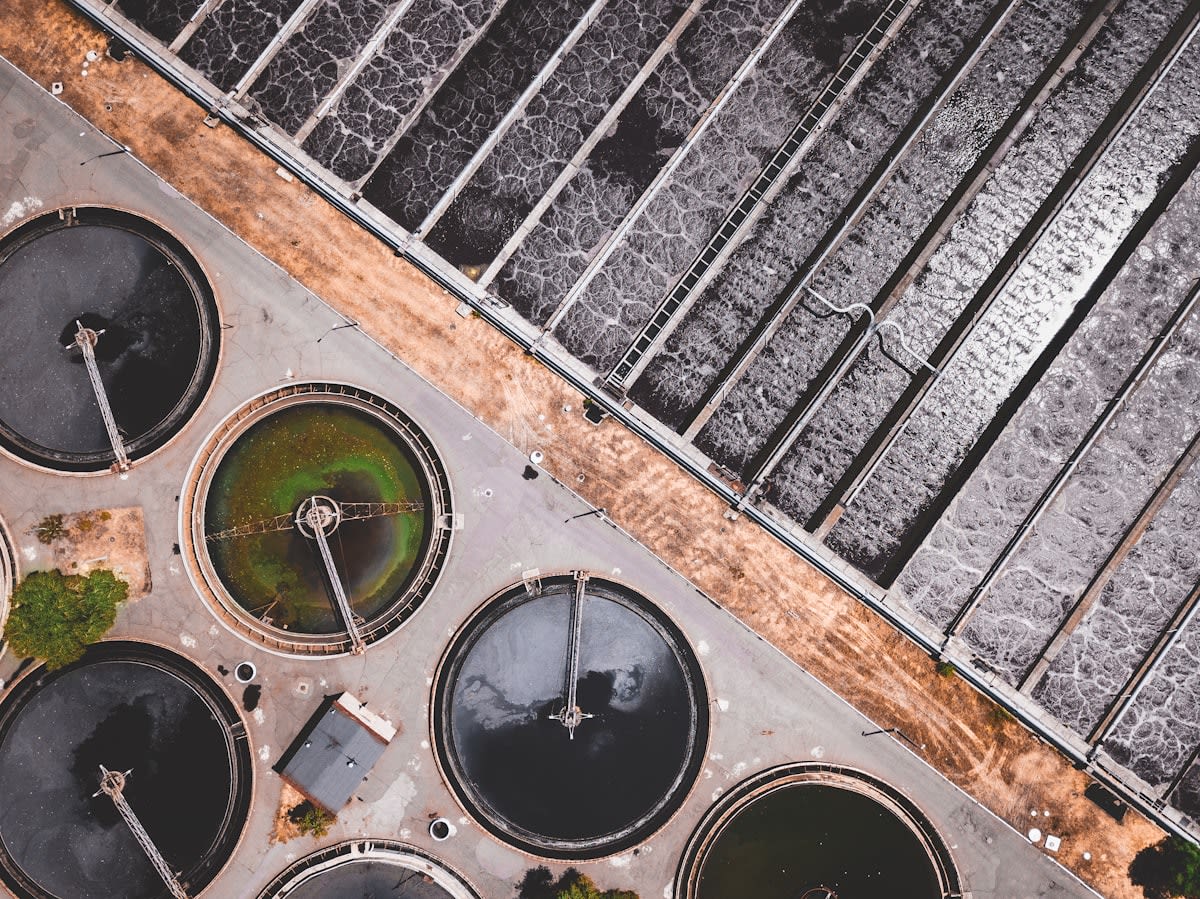
This transition is creating a new breed of infrastructure assets. We are seeing the emergence of 'water portfolios' that mirror the stability of real estate but with the growth potential of tech. These assets offer long-term, inflation-indexed contracts with high barriers to entry. For institutional investors, this is the holy grail: a predictable cash flow tied to an indispensable resource.
Market Signal
The WaaS market is projected to grow at a CAGR of 12.4% through 2030, driven largely by industrial mandates for circular water economies.
Global Case Studies: The Architecture of Adaptation
Look at Singapore. They didn't just build reservoirs; they built a closed-loop system known as NEWater. By treating wastewater to a potable standard, they've effectively decoupled their water security from rainfall. While not a pure 'as-a-service' model in the commercial sense, the strategic logic is identical: treating water as a reusable asset rather than a disposable commodity. The financial efficiency of this loop is staggering, reducing the need for expensive imports from neighboring regions.
In Israel, the pivot has been toward large-scale desalination and reclaimed water for agriculture. By treating the entire water cycle as a managed service, they have turned a geographic disadvantage into a competitive export. They don't just export water technology; they export the operational blueprints for WaaS. The result is a resilient economy that views water as a controllable variable rather than a volatile risk.
Across North America, the shift is happening in the 'hidden' infrastructure of industrial parks. Companies are now partnering with private equity-backed water firms to implement zero-liquid discharge (ZLD) systems. These systems recover 95% to 99% of water from industrial waste streams. The customer pays a service fee based on the volume of recovered water, turning a waste liability into a resource stream.
Is this a privatization of a human right? That is the common critique. But the reality is that the current public-ownership model is failing. When pipes leak 30% of their volume in aging cities, that is a failure of stewardship. WaaS introduces accountability. If a provider is paid for the water that actually reaches the tap, they have every incentive to fix the leaks.
The financial machinery behind this is becoming increasingly complex. We are seeing the rise of 'Water Bonds' and specialized ESG funds that target WaaS providers. These funds aren't looking for the explosive growth of a software startup; they are looking for the 7-9% steady returns of a regulated utility, but with the operational upside of technology improvements.
The Financial Delta: Traditional vs. WaaS
To understand why the pivot is inevitable, one must look at the balance sheet. The traditional model is a heavy anchor of depreciation and unplanned maintenance. WaaS, by contrast, is a streamlined flow of value. The following table breaks down the systemic differences that are driving institutional capital toward the service model.
| Feature | Traditional Infrastructure | Water-as-a-Service (WaaS) |
|---|---|---|
| Financial Impact | High CAPEX / Heavy Depreciation | Predictable OPEX / Subscription |
| Technology Risk | Owner bears obsolescence risk | Provider bears obsolescence risk |
| Incentive Structure | Volume-based (Sell more water) | Efficiency-based (Optimize usage) |
| Maintenance | Reactive (Fix when broken) | Proactive (AI-driven predictive) |
| Capital Source | Municipal Bonds / Taxpayer Funds | Private Equity / Infrastructure Funds |
This table reveals a fundamental truth: WaaS aligns the interests of the provider, the user, and the environment. In the traditional model, the utility makes more money when people use more water. In the WaaS model, the provider makes more money when the system is efficient. This is the contrarian core of the pivot. Efficiency is no longer just a green goal; it is a profit center.
The Roadblocks: Politics and Regulation
If the economics are so clear, why isn't every city on the WaaS model? Because water is political. The idea of a private entity controlling the flow of water triggers visceral reactions. However, the most successful WaaS deployments avoid this by focusing on the industrial and commercial sectors first. By proving the model in a B2B environment, providers are building the trust and the track record necessary to eventually tackle municipal contracts.
Furthermore, regulatory frameworks are slow. Most water laws were written in the 20th century and assume a centralized, government-run monopoly. To unlock the full potential of WaaS, we need a regulatory evolution that recognizes 'water quality' as a deliverable service rather than just 'water volume' as a commodity.
We are seeing the first signs of this shift in the Gulf Cooperation Council (GCC) countries. In regions where water must be created via desalination, the government is increasingly partnering with private operators under long-term service agreements. They have realized that the technical complexity of modern desalination is too high for a government department to manage efficiently. They want the water; they don't want the headache of the plant.
The final piece of the puzzle is data. WaaS is essentially a data play. You cannot provide water-as-a-service without a dense layer of IoT sensors, smart meters, and AI-driven analytics. The companies that win this race won't just be the ones with the best pipes, but the ones with the best algorithms for leak detection and energy optimization.
The pivot is already underway. The question for investors is no longer whether water is a viable asset, but which model they are betting on. The legacy of municipal ownership is a sinking ship. The future belongs to the agile, the efficient, and the service-oriented. Water is the only resource with no substitute; that makes it the ultimate hedge in a volatile global economy.