From Children's Validity To Fee Hikes: What's In Centre's New Passport Rules?
Source Entity
NDTV News Search Records Found 1000
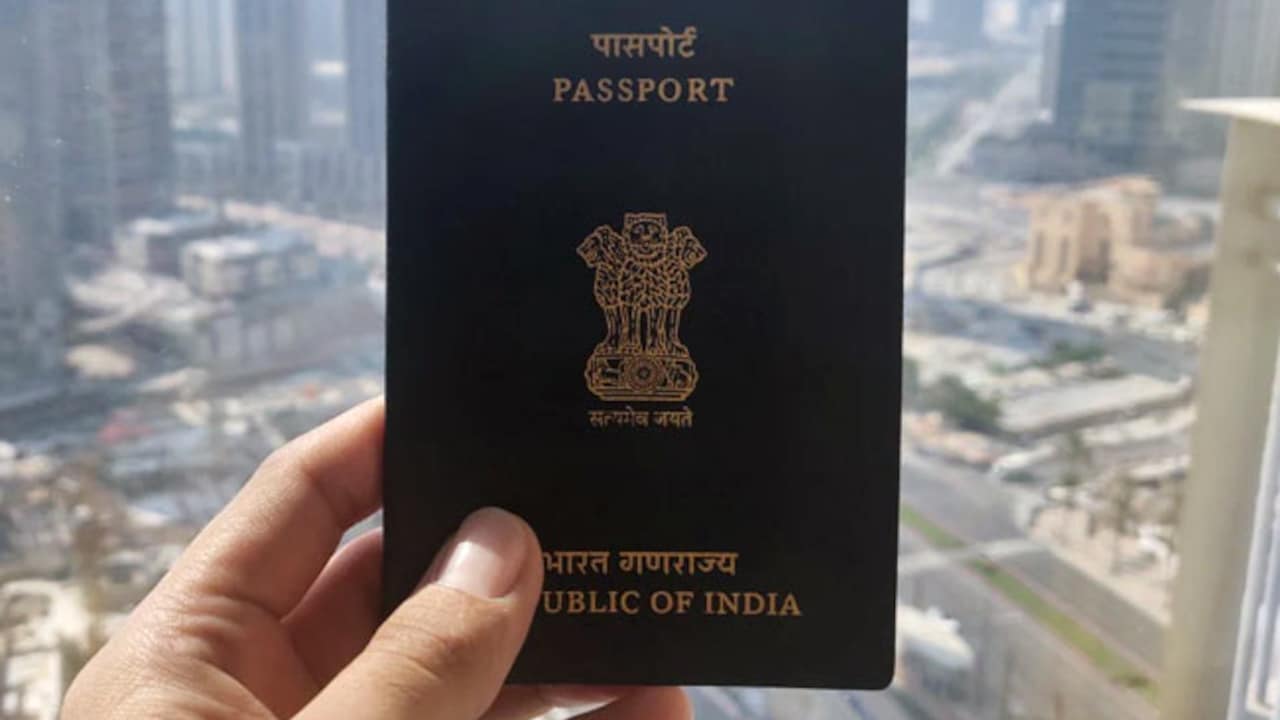
The Ministry of External Affairs has introduced the Passports (Amendment) Rules, 2026, revising fee structures and adjusting validity periods for minor passports. These updates modify the long-standing Passports Rules, 1980, to better align with contemporary administrative requirements.
Overview of the Passports (Amendment) Rules, 2026
The Ministry of External Affairs (MEA) has officially notified the Passports (Amendment) Rules, 2026, marking a significant update to the regulatory framework governing travel documentation in India. By amending the foundational Passports Rules, 1980, the government seeks to modernize the issuance process, responding to evolving administrative needs and the necessity for updated security and validity standards for citizens.
Changes to Minor Passport Validity
Central to these amendments is the adjustment of validity periods for children under the age of 15. According to the new notification, an ordinary 36-page passport issued to a minor will remain in force for five years from the date of issuance or until the child reaches the age of 18, whichever comes first. This change, codified under the newly amended Rule 12, provides a structured approach to managing the identity documents of minors, ensuring that passports are refreshed as children grow and their physical appearance changes significantly.
Fee Structure Revisions
The notification also confirms that the Ministry of External Affairs has implemented a comprehensive revision of fees for all passport-related services. While the specific numerical adjustments have been formalized in the 2026 notification, the intent behind this fiscal shift is to streamline the operational costs associated with the Passport Seva system. These fee adjustments reflect the government’s efforts to ensure that the infrastructure supporting global mobility remains sustainable and technologically robust.
Contextualizing the 1980-2026 Transition
The move to amend the 1980 rules underscores the government's commitment to periodic regulatory review. By specifically targeting Rule 12, the MEA has addressed a critical gap in minor documentation, effectively balancing the convenience of a five-year validity period with the necessity of re-verifying identity as a child matures into adulthood. This transition from the 1980 framework to the 2026 standards represents a broader trend of digitizing and refining bureaucratic processes.
Broader Implications and Future Trends
These updates suggest a future where passport administration will likely become more agile and responsive to changing global security standards. By standardizing the validity period for minors, the MEA reduces ambiguity for parents and immigration authorities alike. As the government continues to refine these rules, citizens can expect further integration of technological advancements in the issuance process, ensuring that the Indian passport remains a secure and globally recognized travel document.
Verification Required?