Journalists report being denied White House access after Trump bans some outlets
Source Entity
BBC News
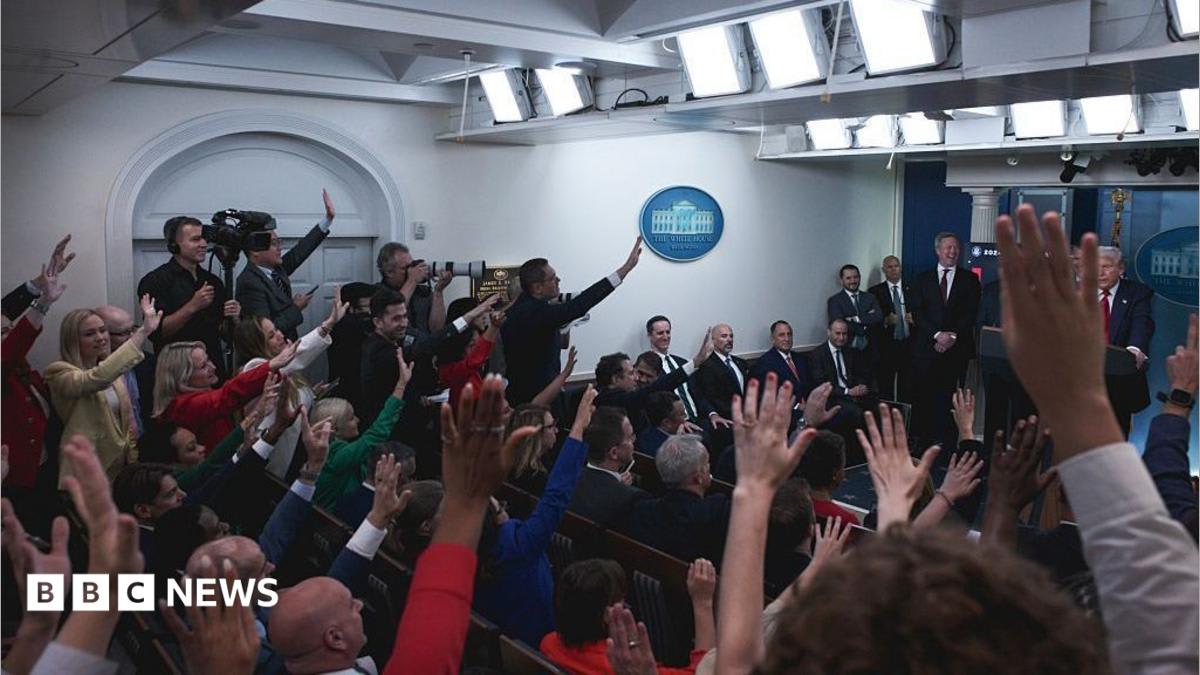
President Trump has revoked White House press credentials for CNN, Politico, and MS NOW, citing concerns over their news coverage. Journalists from these outlets were denied entry and had their badges confiscated, sparking immediate concerns regarding First Amendment protections.
The Escalation of Press-Administration Tensions
The recent decision by President Donald Trump to revoke the White House press credentials of CNN, Politico, and MS NOW marks a significant and contentious moment in the history of American media-government relations. By barring these organizations, the administration has effectively removed these outlets from the physical grounds of the White House, a move that directly disrupts the established norms of presidential press access. This action follows the President’s explicit declaration on Friday that he would ban these entities, accusing them of disseminating what he characterized as "fiction or lies" regarding his administration.
The Mechanics of the Access Denial
The implementation of this ban became apparent on Saturday morning when reporters and photographers attempting to enter the White House found their credentials non-functional. According to reports from the affected outlets, specifically MS NOW, security officers informed journalists that their badges were disabled before confiscating them. This logistical maneuver served as the physical enforcement of the President's policy, preventing journalists from performing their standard duties of covering the executive branch from the seat of government.
Constitutional and Democratic Implications
This incident has drawn immediate and sharp criticism from press freedom advocates who argue that the exclusion of specific news organizations is unconstitutional. The First Amendment of the U.S. Constitution has historically been interpreted to protect the role of an independent press as a check on executive power. By targeting specific outlets, the administration faces significant legal and ethical challenges regarding the transparency of government operations. MS NOW, in a formal statement, emphasized that the White House is funded by taxpayer dollars and belongs to the American people, asserting their intent to defend their rights and the essential role of independent journalism.
The Role of Independent Journalism
The conflict highlights the ongoing tension between the executive branch's desire to control its public narrative and the media’s mandate to provide critical oversight. The specific mention of MS NOW reporter Akayla Gardner, who was denied entry while attempting to carry out her professional duties, underscores the personal and professional impact of this policy. As these outlets contest the decision, the broader question remains how the administration will handle future press briefings and whether this sets a precedent for further exclusions of news organizations deemed unfavorable by the President.
Historical Context and Future Outlook
Historically, the relationship between the White House and the press corps has been adversarial, yet defined by a shared understanding of access as a prerequisite for a functional democracy. While presidents have frequently criticized media coverage, the systemic revocation of credentials for multiple major outlets represents a departure from recent precedents. Looking forward, the legal battles likely to ensue will test the scope of presidential authority over press access. The outcome of these challenges will have lasting implications for the practice of journalism and the public's right to access information from the highest office in the nation.