"Fiction And Lies": Trump Bans CNN, Politico From White House
Source Entity
NDTV News Search Records Found 1000
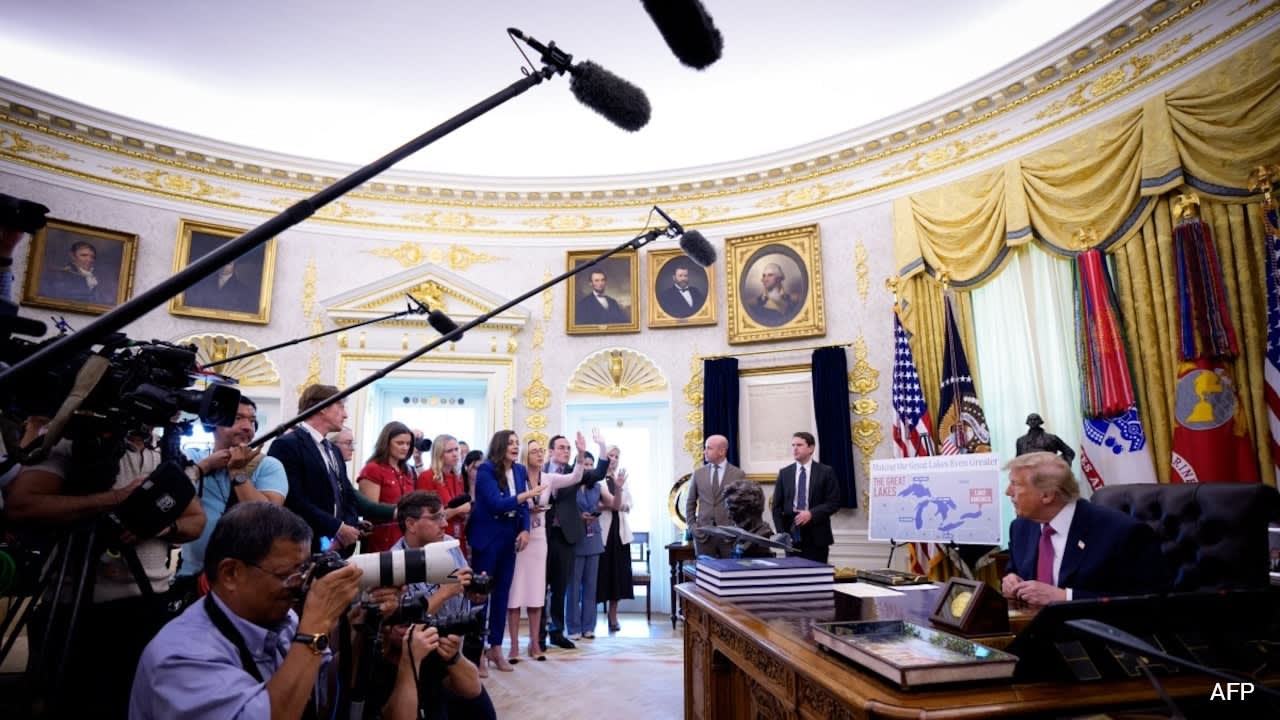
President Donald Trump has announced an immediate ban on CNN, Politico, and MS NOW from White House premises, citing 'fake news' reporting. The move, communicated via Truth Social, faces immediate uncertainty regarding enforcement and potential legal pushback.
The Escalation of White House-Media Tensions
President Donald Trump has initiated a significant shift in executive-media relations by announcing an immediate ban on three prominent news organizations: CNN, Politico, and MS NOW. The President utilized his Truth Social platform to declare these outlets persona non grata within the White House, branding their coverage as "fiction and lies." This development marks a volatile chapter in the administration's ongoing struggle with the press, signaling a move toward restricted access for those deemed adversarial.
The Justification Behind the Exclusion
The core of the administration's argument rests on the claim that these specific outlets have engaged in a pattern of "FAKE NEWS" reporting. Trump specifically singled out MS NOW (formerly MSNBC) for alleged lack of credibility and accused Politico of benefiting from government subscription funding under the previous administration. By framing these outlets as purveyors of misinformation, the President is attempting to delegitimize their institutional standing, effectively positioning his own social media channels as the primary source of truth for his constituency.
Logistical Ambiguity and Implementation
Despite the categorical nature of the announcement, the practical implementation of this ban remains shrouded in uncertainty. Reports confirm that as of the immediate aftermath of the announcement, journalists from the affected outlets were still physically present on the White House grounds. It remains unclear whether the administration intends to revoke permanent press passes, restrict access to the briefing room, or implement a total physical exclusion. This ambiguity leaves legal experts and media organizations questioning the constitutional viability of such a directive.
Historical Precedent and Legal Hurdles
The move is widely expected to trigger significant legal challenges from the affected media organizations and broader press freedom advocacy groups. Historically, the relationship between the White House and the press has been governed by protocols that prioritize transparency and access, even during periods of intense hostility. By attempting to unilaterally bar specific outlets, the administration is testing the boundaries of the First Amendment and the long-standing tradition of the White House press pool, which serves as a vital conduit for public accountability.
Broader Implications for the Fourth Estate
This policy shift suggests a broader trend where the administration may seek to bypass traditional media filters entirely. Trump’s warning that "other Fake News Media Outlets" could follow suggests this may be part of a wider strategy to curate a press environment that is ideologically aligned with the administration. Such a trend could fundamentally alter the landscape of political journalism, forcing news outlets to navigate a new reality where access is contingent upon favorable coverage rather than objective reporting.
Future Trends in Executive Communication
Moving forward, the outcome of this conflict will likely set a precedent for how future administrations interact with the press. If the ban is successfully enforced without significant legal reversal, it could empower the executive branch to exert greater control over the narrative by systematically excluding critical voices. Conversely, a successful legal challenge could reaffirm the necessity of an independent press corps, ensuring that the White House remains a venue for adversarial questioning regardless of the political climate.
Multiple Citing Sources
Verification Required?