Donald Trump signs Russia and Iran sanctions bill into law, White House announces
Source Entity
Latest News: Todays Latest News Headlines from India & World | Hindustan Times | Hindustan Times
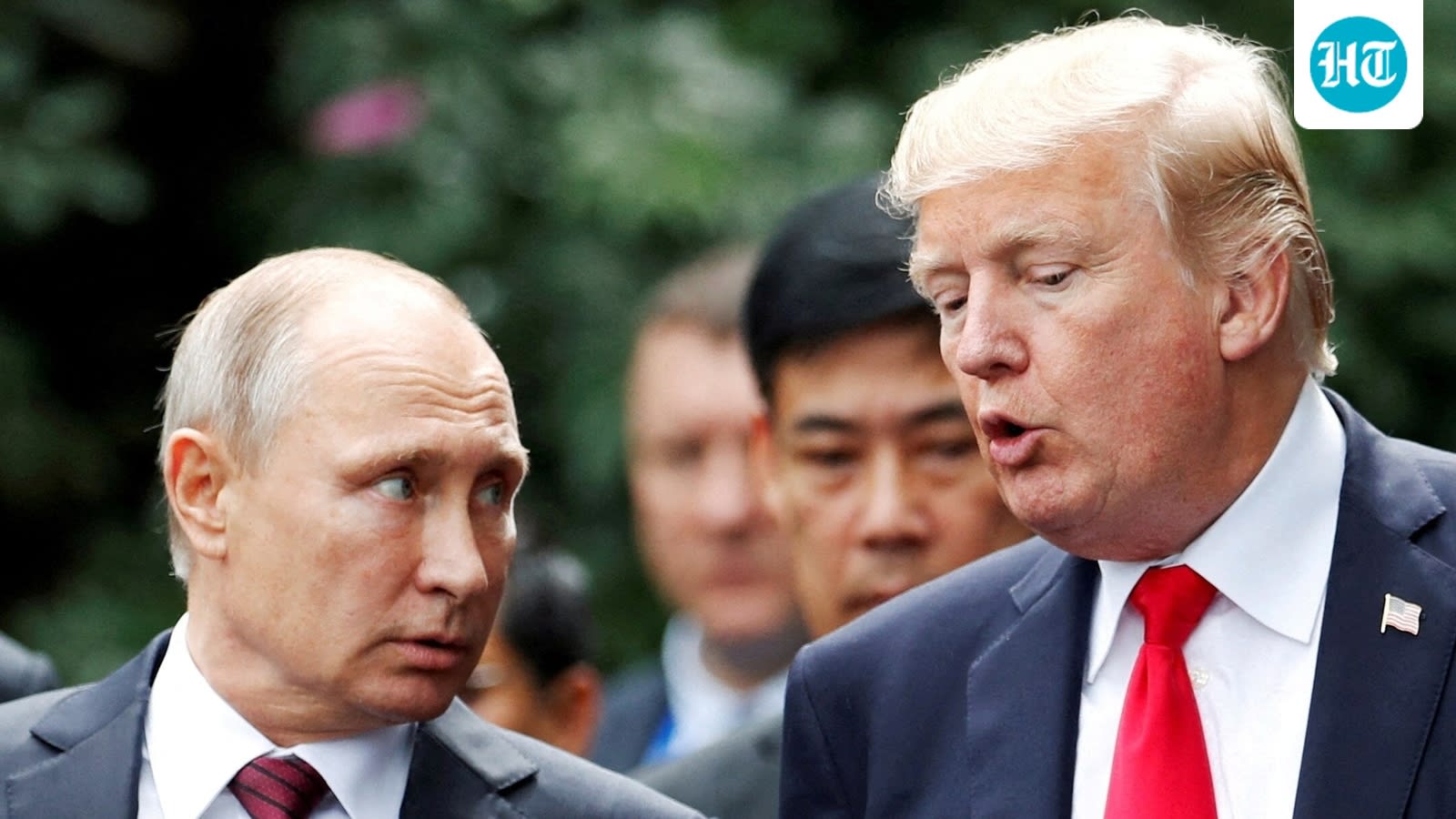
President Donald Trump has signed the Lindsay O. Graham Sanctioning Russia and Iran Act of 2026 into law. This legislation expands sanctions on energy and defense sectors while granting the administration new authority to impose sweeping tariffs.
The Lindsay O. Graham Sanctioning Russia and Iran Act of 2026: A Strategic Shift
On September 18, 2026, the White House officially confirmed that President Donald Trump signed the 'Lindsay O. Graham Sanctioning Russia and Iran Act of 2026' (H.R. 5334) into law. This significant legislative maneuver marks a major escalation in the United States' economic strategy toward both Moscow and Tehran, aiming to tighten the financial vice on these nations through expanded statutory sanctions and targeted economic prohibitions.
Targeting the Economic Lifelines
The core of this legislation is designed to aggressively disrupt the financial foundations supporting Russia’s ongoing military operations in Ukraine. By specifically targeting the Russian energy and defense sectors, the act seeks to diminish the Kremlin’s capacity to fund its war efforts. A particularly notable component of the bill focuses on the 'shadow fleet' of tankers—vessels used by Russia to bypass previous maritime sanctions. By closing these loopholes, the U.S. government intends to severely restrict the revenue streams that keep the Russian war machine functional.
Expanding Presidential Economic Authority
Beyond direct sanctions, the act grants the Trump administration unprecedented latitude regarding trade policy. The legislation authorizes the president to impose sweeping tariffs, a tool that has become a hallmark of the current administration’s approach to international relations. By expanding these statutory powers, the law ensures that the executive branch maintains the ability to exert significant pressure on foreign economies with relative agility, bypassing some of the traditional legislative hurdles that might otherwise slow such interventions.
Global Economic Implications and Trade Partners
The ripple effects of this legislation extend far beyond the borders of Russia and Iran. Because the act allows for the imposition of tariffs on Russia’s major trading partners, it introduces a new layer of volatility into global supply chains. Critics of the bill have pointed out that this mechanism could inadvertently drag other nations into the fray, potentially impacting countries that maintain neutral or complex economic relationships with the targeted states. This shift signals a departure from more traditional, targeted sanctions toward a broader, more aggressive trade-war posture.
Long-Term Policy Trends
Perhaps the most controversial aspect of the Lindsay O. Graham Act is the duration of the powers it confers. By authorizing tariffs that could theoretically persist well beyond the end of the current presidential term, the legislation sets a precedent for long-term economic statecraft. This move suggests that the United States is moving toward a more permanent 'sanctions-first' policy, where economic leverage is institutionalized as a primary instrument of foreign policy rather than a temporary measure. As the administration moves to implement these new authorities, the global community will be watching to see how international markets adapt to this heightened state of economic warfare.
Multiple Citing Sources
Verification Required?