Stocks Hold Gains After Fed Hikes Key Rate
Source Entity
Yahoo Finance
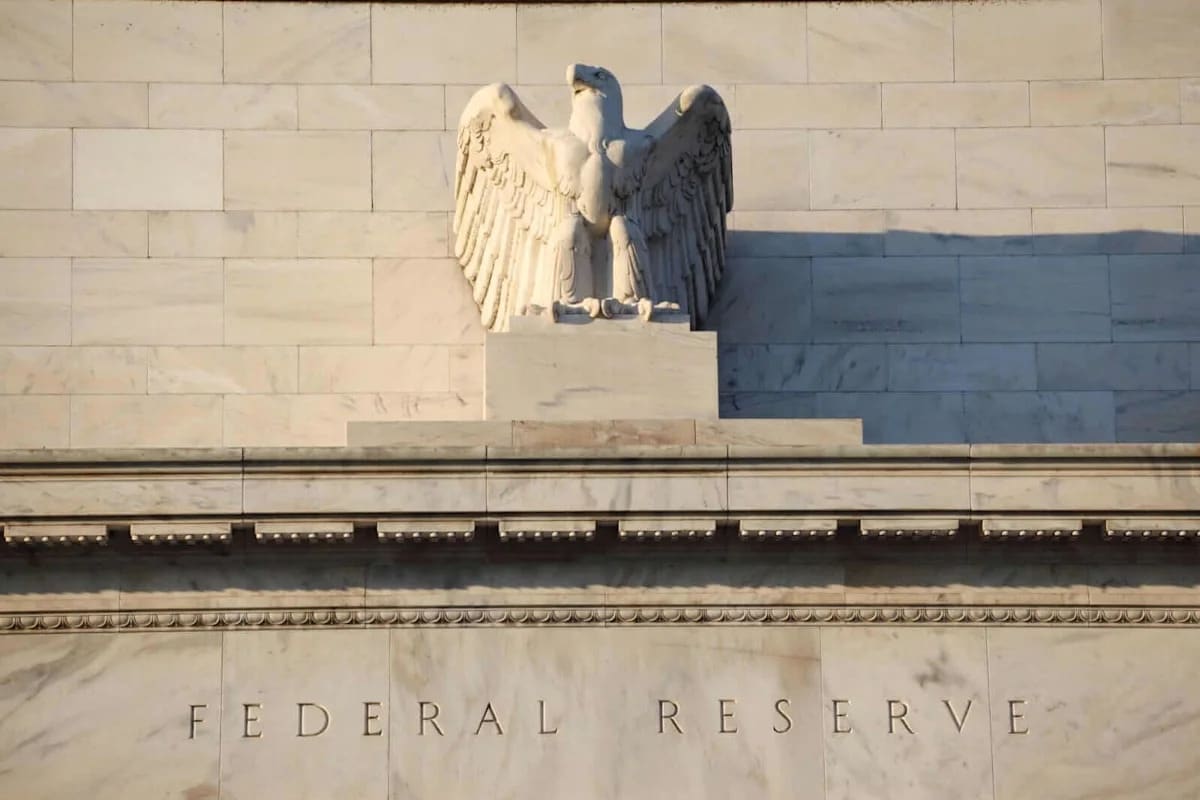
The Federal Reserve raised interest rates by 25 basis points to combat persistent inflation, while strong August retail sales data bolstered the US dollar. Despite the hike, markets are navigating mixed signals from fluctuating housing indices and declining oil prices.
The Federal Reserve’s Strategic Rate Hike and Market Response
The Federal Reserve has officially moved to raise the federal funds target range by 25 basis points, bringing the rate to 3.75%-4.00%. This decision, the first such increase since 2023, is a calculated maneuver to align the economy with the committee’s long-standing 2% inflation target. By tightening monetary policy, the Fed aims to curb the inflationary pressures that have remained stubbornly above their preferred threshold, signaling a proactive stance in stabilizing the US economy.
Economic Resilience: The Role of Retail Sales
A primary driver behind the current economic outlook is the robust performance of the US consumer. Data indicates that August retail sales rose by 1.2% month-over-month, significantly outperforming the projected 0.8% growth. This surge represents the largest increase in five months. Furthermore, when excluding volatile auto sales, core retail sales climbed by 1.4%, doubling the expected 0.6% forecast. This strength in consumer spending has provided the necessary economic cushion for the Fed to pursue a more aggressive interest rate policy without immediately triggering recessionary fears.
The US Dollar and Global Market Dynamics
Following the announcement, the dollar index (DXY00) climbed to a two-week high. The dollar's ascent is fueled by a combination of the aforementioned retail strength and the anticipation of the rate hike. However, the currency's momentum is not without friction. While the dollar index is currently up by 0.09%, it faces downward pressure from external factors, such as the 2% decline in WTI crude oil prices. Lower energy costs often signal a reduction in inflation expectations, which can lead to a more dovish outlook for future Fed policy, thereby bearish for the dollar.
Challenges in Housing and Corporate Performance
Despite the positive retail data, the broader economy faces distinct headwinds. The September NAHB housing market index showed a larger-than-expected decline, reflecting the cooling effect of higher borrowing costs on the real estate sector. This is further corroborated by the MBA mortgage application data, which fell by 4.1% in the week ending September 11, with refinancing applications dropping sharply by 8.8%. Additionally, corporate outlooks remain cautious; J.B. Hunt Transport Services (JBHT) recently saw its stock tumble over 13% after projecting a decline in Q3 profits, highlighting the potential for interest rate hikes to impact corporate bottom lines.
Future Trends and Monetary Policy Outlook
The market’s immediate future will be dictated by how the Fed balances these competing signals. While the economy shows resilience through retail growth, the sensitivity of the housing market and the recent volatility in equity benchmarks suggest that investors are closely scrutinizing the Fed's long-term trajectory. As the committee continues to signal that additional rate hikes could follow to ensure inflation returns to the 2% target, the focus will remain on post-meeting commentary from Fed leadership to gauge the pace of future adjustments.
Conclusion
In summary, the Federal Reserve’s decision to hike rates by 25 basis points reflects a delicate balancing act. While strong consumer spending provides a foundation for growth, the cooling housing sector and corporate profit warnings serve as warnings of the potential drag caused by tightening liquidity. The dollar's performance will remain tied to the interplay between these domestic economic indicators and global commodity price fluctuations, marking a period of transition as the Fed navigates the path toward price stability.
Multiple Citing Sources