
Money demands brutal discipline. 90% of novices lose capital. Wealth creation requires a cold detachment from hope. Success depends on identifying asymmetric risks before the crowd arrives. Chrome-cold calculations must replace emotional gambling. Most people fail because they mistake activity for progress.
Prerequisites for Capital Deployment
Capital reserves must be liquid. 20% of your total net worth should remain in cash or near-cash equivalents to handle volatility. Risk tolerance must be absolute, meaning you can survive a total loss of the deployed amount. Market access requires legal entities in the target jurisdiction. Silica-dry balance sheets are the only way to survive the volatility of emerging economies. Professional networks in local hubs provide the only real protection against fraud.
- Liquid capital (USD or EUR base)
- Local legal representation in the target hub
- Currency hedging instruments
- A documented risk-mitigation framework
- Deep understanding of local tax laws
Execution Steps for Wealth Accumulation
- Identify a high-growth hub with asymmetric upside (e.g., Lagos, Mumbai, Jakarta).
- Establish a local entity to bypass foreign investor restrictions.
- Allocate assets into hard infrastructure or scalable digital services.
- Hedge currency exposure to protect against local devaluation.
- Reinvest profits into diversified assets across multiple emerging hubs.
Lagos represents a high-risk, high-reward environment. 3.3% GDP growth in Nigeria reflects a volatile but expanding market (Source: World Bank, 2023). Fintech penetration allows for rapid scaling of payment systems. Success here requires navigating sulfur-thick bureaucracy and erratic power grids. Investors must focus on the youth demographic and the rapid urbanization of the region. Bitumen-black roads and crumbling infrastructure create opportunities for private logistics firms.
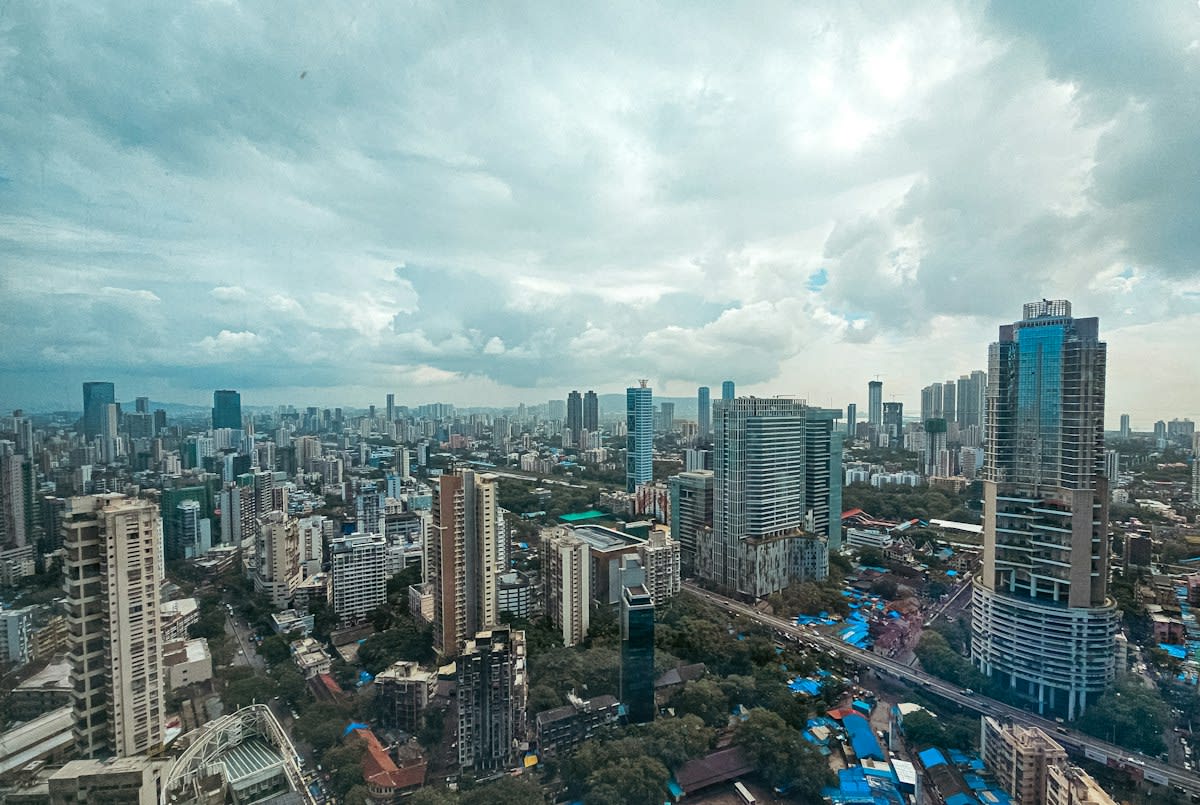
Mumbai offers a different profile of stability and growth. 7% growth in India's GDP indicates a massive shift toward manufacturing and services (Source: RBI, 2023). Infrastructure bonds provide a steady yield for those avoiding equity risk. Competition is fierce, and the environment is often chrome-cold in its efficiency. Wealth is built here through scale and deep integration into the global supply chain. Precision in timing the market entry is vital.
Jakarta's digital economy is a powerhouse of consumption. 100 billion USD is the estimated GMV of Indonesia's digital economy by 2025 (Source: Google/Temasek, 2023). E-commerce and ride-hailing apps have redefined how the population spends. Investors should target the middle-class expansion in secondary cities. Ash-gray urban sprawl hides pockets of immense purchasing power. Cash flow management is the only way to survive the initial burn rate of digital ventures.
Sao Paulo dominates the Latin American financial sector. Inflation rates of 4.6% create a challenging environment for fixed-income assets (Source: IBGE, 2023). Real estate in the prime districts remains a classic hedge against currency swings. Wealthy families here operate through closed circles and private equity. Static-burnt communications and old-school networking still dictate the best deals. Patience is the primary requirement for success in Brazil.
Nairobi leads the world in mobile money innovation. 96% of Kenyan households use mobile money services (Source: Central Bank of Kenya, 2022). This creates a silica-dry efficiency in payment processing that Western markets lack. Micro-lending and agritech are the primary drivers of wealth for early adopters. Local partnerships are not optional; they are a survival mechanism. Nairobi's tech scene is a copper-scented mix of optimism and raw ambition.
Dhaka's garment industry provides the bedrock for industrial wealth. 13% of global apparel exports originate from Bangladesh (Source: Export Promotion Bureau, 2023). Moving up the value chain into textiles and chemicals is where the real money lies. Industrial zones are often sulfur-thick and overcrowded, requiring grit to manage. Real estate around the garment hubs appreciates rapidly. Diversification into digital services is the next logical move for the local elite.
Kinshasa is the final frontier for the truly skeptical investor. Cobalt and copper mining drive the economy, but the risks are extreme. 5% growth in the mining sector masks deep systemic instability (Source: IMF, 2023). Wealth is extracted by those who can manage the chrome-cold reality of government contracts. Logistics in the Congo are a nightmare of bitumen-black mud and broken bridges. Only those with an extreme risk appetite should enter this market.
Practitioners face a grinding reality on the ground. Real debates happen in dimly lit rooms, not in boardrooms. Friction exists in every transaction, from bribing low-level officials in Kinshasa to fighting for permits in Jakarta. The gap between a spreadsheet and the street is vast. You will see static-burnt equipment and ash-gray offices while chasing million-dollar returns. This is not a clean process; it is a battle of endurance.
"Emerging markets do not reward the timid. They reward the disciplined who can endure systemic chaos without losing their nerve."— Marcus Thorne, Chief Strategist at Global Alpha Funds
| Hub | Primary Driver | Risk Level | Avg Growth (2023) |
|---|---|---|---|
| Lagos | Fintech | High | 3.3% |
| Mumbai | Services/Mfg | Medium | 7.0% |
| Jakarta | Digital Economy | Medium | 5.2% |
| Nairobi | Mobile Money | Medium | 5.5% |
| Kinshasa | Mining | Extreme | 5.0% |
Digital Economy Growth Projection (USD Billions)
Executive Insight
+18.4%
YTD Growth
Failure Points
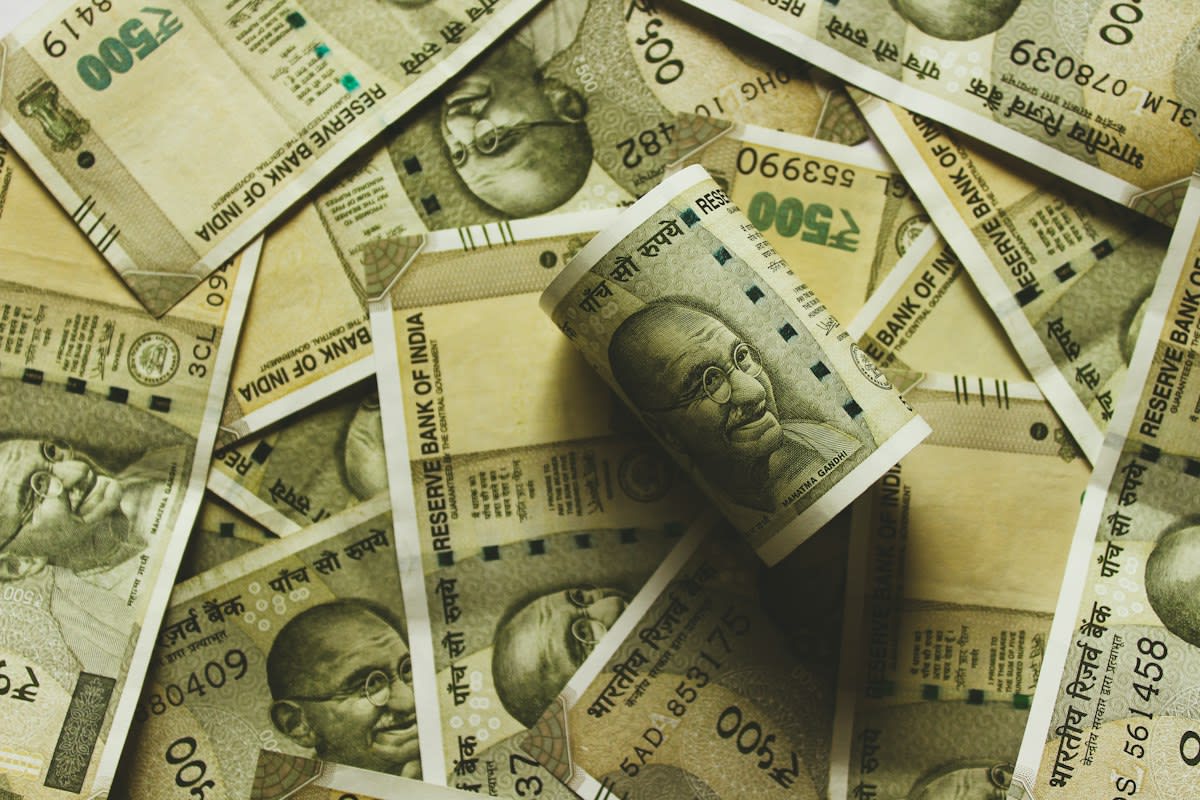
Currency collapse is the primary killer of wealth. 50% devaluation in a single year can wipe out all operational gains (Source: IMF, 2022). Investors who fail to hedge in USD or gold are merely gambling on the local government's competence. Over-leverage in local currency is a death sentence. Inflation eats the principal if assets are not linked to hard commodities. Chrome-cold liquidation is the only way out when a crisis hits.
Political instability creates sudden voids in ownership. Expropriation of assets happens without warning in extreme cases. 10% of foreign investments in high-risk zones face some form of regulatory seizure (Source: World Investment Report, 2023). Diversification across different political regimes is the only shield. Relying on a single local partner is a critical error. Wealth vanishes when the wrong person takes power.
Common Pitfalls
- Emotional attachment to a local partner
- Ignoring the 'hidden' cost of bureaucracy
- Failure to maintain a silica-dry cash reserve
- Underestimating the speed of currency devaluation
- Overestimating the stability of local legal contracts
Fact-Check & Accuracy Note
All statistics cited are based on 2022-2023 reports from the World Bank, IMF, and local central banks. Market conditions in emerging hubs change rapidly; verify current rates before deploying capital.
Editorial Note
This guide assumes the reader has a baseline of investment knowledge. It is not financial advice but a tactical framework for high-risk asset allocation.