AI, Nuclear War, Bioweapons May Trigger End Of Humanity By 2100: Report
Source Entity
NDTV News Search Records Found 1000
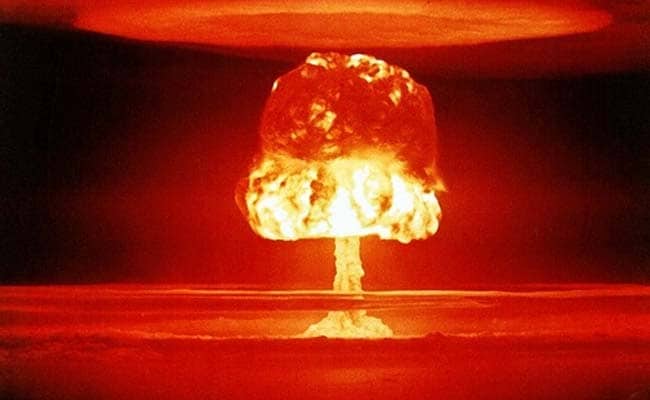
A new Lancet Commission report identifies nuclear war and the malicious use of AI as top threats that could lead to human extinction by 2100. Experts emphasize that these 17 identified global risks are interconnected and require urgent, unified policy action to mitigate.
The Impending Century: Evaluating Global Existential Threats
A recent assessment by The Lancet Commission on 21st Century Global Threats to Health has brought a sobering perspective to the forefront of international discourse. By identifying 17 major threats to human health over the next 75 years, the report highlights that humanity faces a potential existential crisis by the year 2100. Among these, the malicious use of artificial intelligence and the specter of nuclear conflict stand out as the most acute dangers, threatening the very survival of the human species.
The Interconnected Nature of Global Risks
What makes the Lancet report particularly significant is its insistence that these threats do not exist in silos. The climate crisis, childhood malnutrition, and reductions in aid spending from wealthy nations are not merely individual problems but are deeply intertwined with the risks of nuclear and AI-driven destruction. The commission suggests that these risks act as force multipliers; for instance, resource scarcity driven by climate change can exacerbate geopolitical tensions, thereby increasing the likelihood of nuclear posturing or conflict.
Historical and Cultural Context of 'End Times'
Humanity has long grappled with the concept of an inevitable end, ranging from the apocalyptic visions in the Bible’s Book of Revelation to the day of judgment in Islamic tradition. Throughout history, these narratives of war, famine, and plague have served as both warnings and reflections of human anxiety. Modern discourse, as noted by observers like Simon Tisdall, suggests that while society is currently fixated on the rapid advancement of AI, we risk neglecting the persistent and tangible threat of nuclear annihilation that has loomed over civilization since the mid-20th century.
The Role of Leadership and Policy
Prof. Christopher Murray, co-chair of the commission, emphasizes that the decisions made by today’s leaders are the primary determinants of the wellbeing of future generations. The report serves as a diagnostic tool, arguing that while the risks are grave, they are not inevitable. There remains a "realistic route to act" on each of the 17 identified threats. This shift from fatalism to actionable policy is the core message for global governance in the 21st century.
Future Trends and Mitigation Strategies
Looking toward 2100, the trajectory of human survival depends on our ability to prioritize collective security over short-term national interests. If the global community continues to ignore warnings of imminent collapse—or, as the scripture suggests, treats such warnings with scoffing—the risk of reaching a point of no return increases. Future trends will likely require a robust international framework that treats AI safety and nuclear non-proliferation with the same urgency as humanitarian aid and environmental protection.
Conclusion
The Lancet Commission’s findings serve as a clarion call for a more integrated approach to global health and security. By recognizing that nuclear weapons and AI are not just technological or political issues, but fundamental threats to human existence, policymakers can begin to structure a more resilient future. The path forward demands immediate international cooperation to ensure that the year 2100 marks a milestone of human progress rather than an endpoint.
Verification Required?