Russia, Ukraine agreed on 'energy ceasefire effective immediately', says Trump
Source Entity
TRISHA MAHAJAN
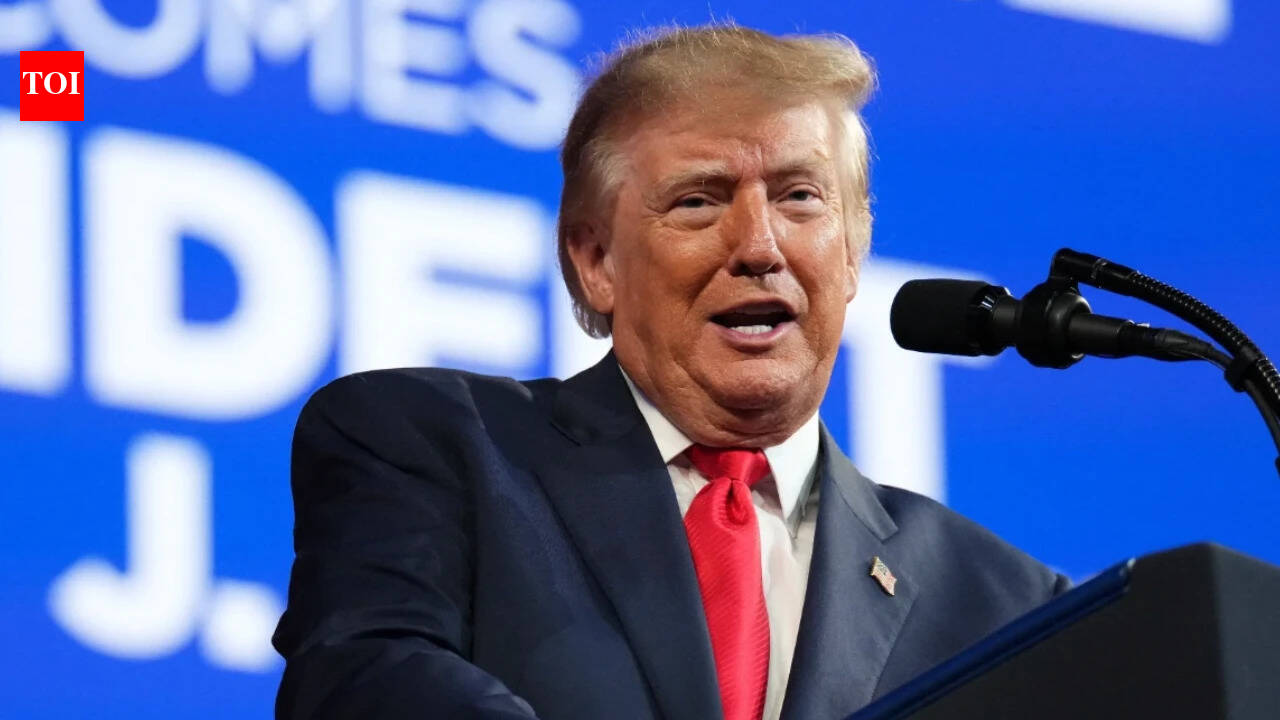
Donald Trump has claimed to have brokered an energy ceasefire with Russia involving a major release of diesel. Simultaneously, he has intensified his criticism of Ukrainian President Volodymyr Zelenskyy, calling for a change in leadership.
The Shift in Geopolitical Energy Diplomacy
Donald Trump has recently claimed to have brokered an 'energy ceasefire' between Russia and Ukraine, an assertion that marks a significant departure from established Western diplomatic protocols regarding the ongoing conflict. Central to this claim is the facilitation of a major release of Russian diesel, a move that suggests a strategic pivot in how energy commodities are being leveraged as tools for de-escalation. By positioning himself as a primary negotiator outside of traditional state channels, Trump is signaling a desire to shift the current paradigm of the conflict from a purely military-focused struggle to one centered on resource management and transactional diplomacy.
The Impact of Eased Diesel Curbs
The reported easing of curbs on Russian diesel carries profound implications for global energy markets. Historically, sanctions on Russian energy have been a cornerstone of the international response to the invasion, aimed at limiting the Kremlin's revenue streams and operational capacity. If these restrictions are being bypassed or lifted through a specific agreement, it suggests a potential fracturing of the unified sanctions regime that has defined the last few years. The influx of Russian diesel into the market could temporarily alleviate supply concerns for certain regions, but it also raises critical questions about the long-term effectiveness of economic pressure as a deterrent against state aggression.
Targeting the Leadership in Kyiv
Simultaneous to his announcement regarding energy, Trump has leveled direct criticism at Ukrainian President Volodymyr Zelenskyy, stating that it is 'time for Ukraine to get a new president.' This rhetoric underscores a deepening ideological divide between the former U.S. President and the current Ukrainian administration. By questioning the legitimacy or effectiveness of Zelenskyy's leadership, Trump is effectively framing the political future of Ukraine as a variable that is subject to change, potentially signaling a shift in future U.S. policy should his influence grow or his political standing change.
Geopolitical Ramifications and Future Trends
This dual approach—negotiating energy deals with Russia while publicly undermining the Ukrainian head of state—portends a highly volatile period for Eastern European relations. If energy policy becomes the primary vehicle for diplomacy, we may see a trend where commodities are traded for political concessions, effectively bypassing the sovereignty of the nations involved. This 'transactional' approach risks destabilizing the established security architectures of the region, as it prioritizes immediate economic relief over the long-term diplomatic objectives that have been the focus of the international community since the start of the conflict.
Conclusion: Assessing the New Normal
The intersection of energy policy and leadership criticism represents a new, aggressive phase in the discourse surrounding the Ukraine-Russia conflict. Whether these claims manifest into a sustained shift in global energy dynamics or remain a strategic rhetorical tool, they highlight a clear divergence from the status quo. Observers must now grapple with a reality where economic levers are wielded with increasing frequency to influence political outcomes, setting a dangerous precedent for future international relations and the stability of the global energy supply chain.