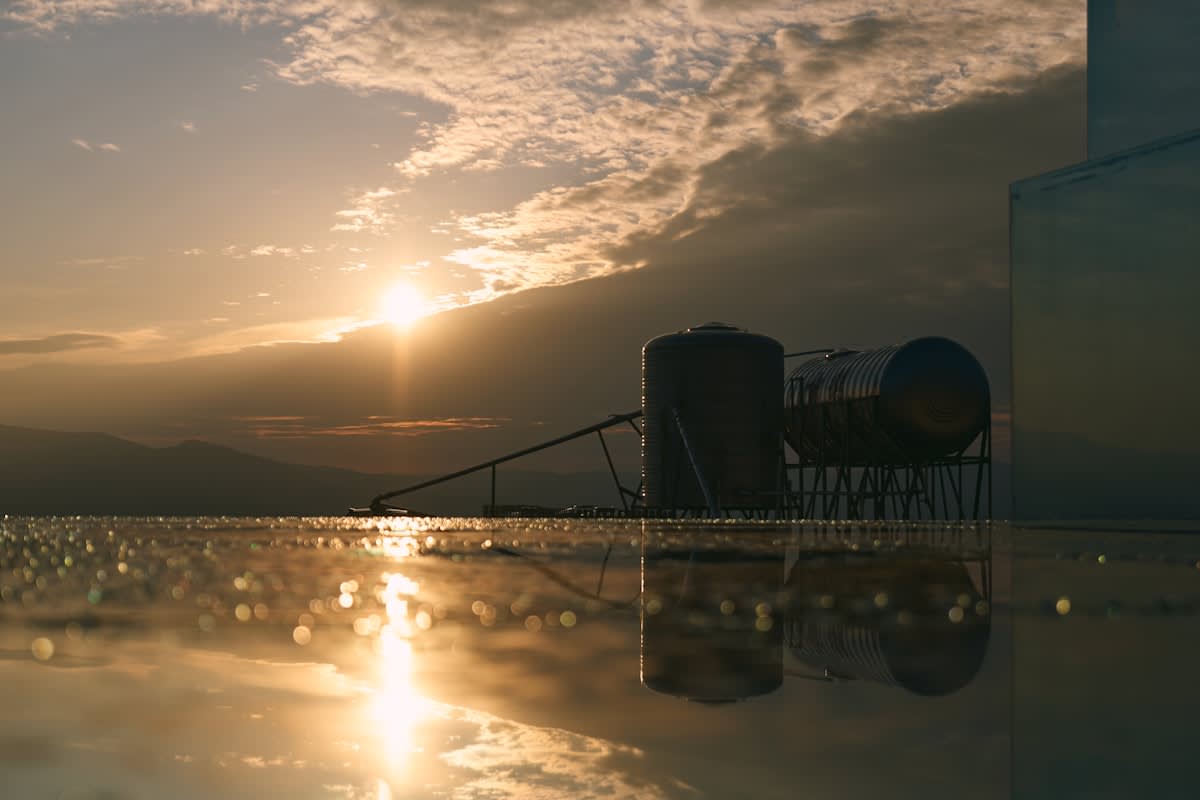
Geography used to be destiny. If you wanted to build a metropolis, you found a river or a reliable spring and stayed put. This tether created the modern city, but it also created a systemic vulnerability: the pipeline. When the river runs dry or the upstream neighbor builds a dam, the city dies. We are now witnessing the first real break in that historical chain. Atmospheric Water Generation (AWG) is no longer a niche survivalist gadget; it is evolving into a strategic infrastructure play that allows cities to decouple their survival from terrestrial water sources.
The shift we are seeing this year isn't just about better machines; it is about a fundamental change in scale. Twelve months ago, the conversation focused on countertop units for homes. Today, the industry is pivoting toward 'water farms'—industrial-scale arrays capable of producing hundreds of thousands of liters daily. This transition from consumer electronics to municipal infrastructure is the delta that matters. We are moving from supplemental water to primary water security.
The End of the Pipeline Era
Why does this matter now? Because the cost of traditional water infrastructure is skyrocketing. Digging pipelines across hundreds of miles of terrain is a fiscal nightmare and a maintenance liability. In contrast, AWG offers a decentralized model. Instead of one massive pipe bringing water from a distant mountain, a city can deploy a network of atmospheric harvesters across its footprint. This eliminates the single point of failure. If one unit fails, the city still has a thousand others working. It is the 'cloud computing' equivalent of water management.
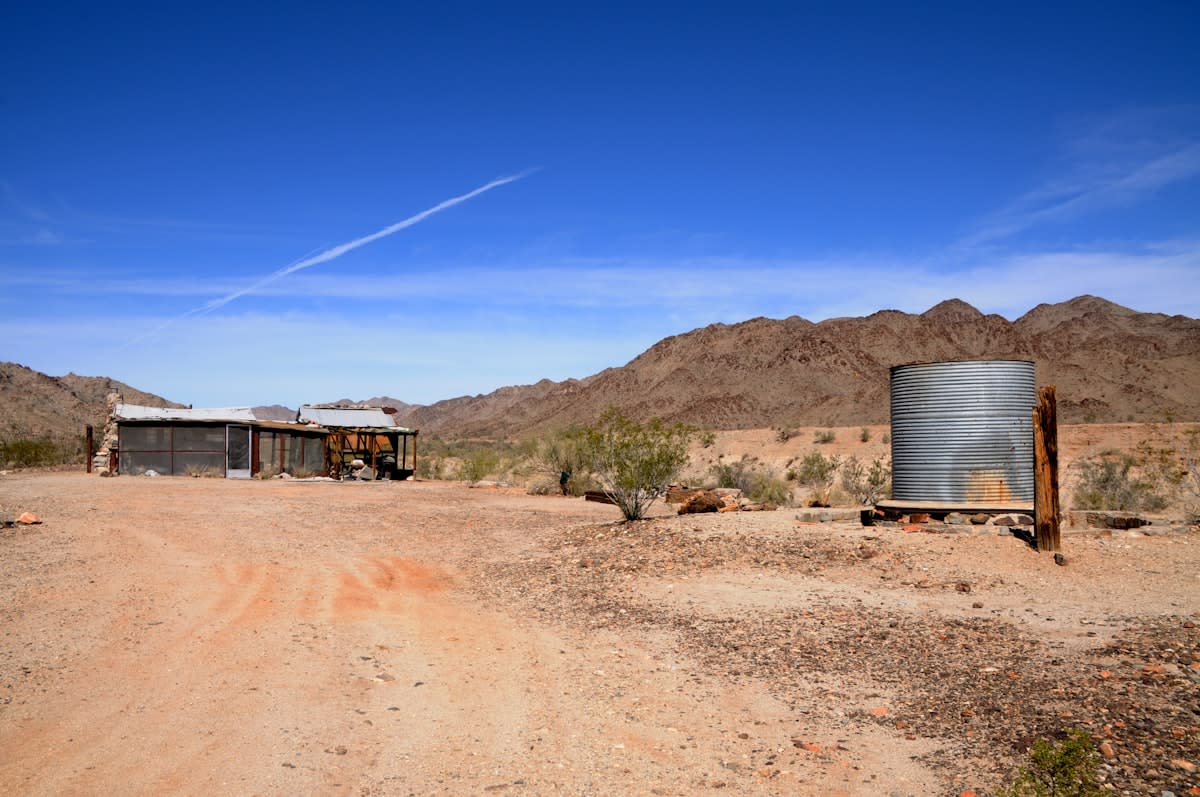
Look at the Gulf Cooperation Council (GCC) countries. For decades, they relied almost exclusively on energy-intensive desalination. But desalination has a dirty secret: brine. Discharging hyper-saline waste back into the ocean destroys local marine ecosystems. AWG provides a clean alternative. According to a 2023 report by the International Renewable Energy Agency (IRENA), the integration of solar PV with AWG systems has reduced the cost of atmospheric water in high-humidity regions by nearly 30% over the last two years, making it a viable competitor to desalination in coastal cities.
"The goal is no longer just finding water, but generating it where it is consumed. When you remove the transport cost and the geopolitical risk of a river crossing a border, you change the entire economic calculus of urban planning."— Dr. Aris Papadopoulos, Lead Researcher at the Global Water Institute
Is this a magic bullet? Hardly. The physics of extracting water from air are brutal. You are fighting thermodynamics. Traditionally, this required massive amounts of electricity to cool air below its dew point. But the trend has shifted toward Metal-Organic Frameworks (MOFs) and advanced desiccants. These materials act like sponges, grabbing water molecules even in 15% humidity, and releasing them with minimal heat. This is where the real disruption lies: the ability to harvest water in the desert, not just the tropics.
The Practitioner's Friction: Energy vs. Equity
On the ground, the debate among engineers isn't about whether AWG works—it's about the energy-water nexus. If you use coal-fired electricity to power a water harvester, you're just trading one environmental crisis for another. In the field, the real friction occurs during the 'integration phase.' I've seen projects where the AWG units were perfectly functional, but the local grid couldn't handle the surge loads required for peak harvesting. The practitioners who are winning are those treating AWG as part of a microgrid, pairing it with dedicated solar or wind assets to ensure the water is truly 'off-grid'.
There is also a fierce internal debate about mineralisation. Pure distilled water from the air is aggressive; it leaches minerals from the body and pipes. Engineers are now spending as much time on the 're-mineralisation' stage—adding calcium and magnesium back into the water—as they are on the extraction process. It is a reminder that nature's complexity is hard to mimic in a stainless-steel box.
| Metric | Traditional Pipeline | Desalination | Industrial AWG (Next-Gen) |
|---|---|---|---|
| Infrastructure Cost | Extremely High (CAPEX) | High (CAPEX) | Moderate (Modular) |
| Environmental Impact | Habitat Disruption | Brine Pollution | Low (if Renewable) |
| Geopolitical Risk | High (Upstream Control) | Low (Coastal Access) | Zero (Atmospheric) |
| Scaling Speed | Slow (Years) | Medium (Months) | Fast (Weeks) |
The speed of deployment is the critical advantage. A pipeline takes a decade of permits and digging. An AWG farm can be deployed in weeks. In regions like Sub-Saharan Africa, this is a game-changer. According to World Bank data (2024), decentralized water solutions can reduce water-collection time for rural and peri-urban populations by up to 60%, directly impacting economic productivity and education.
The New Geopolitics of the Air
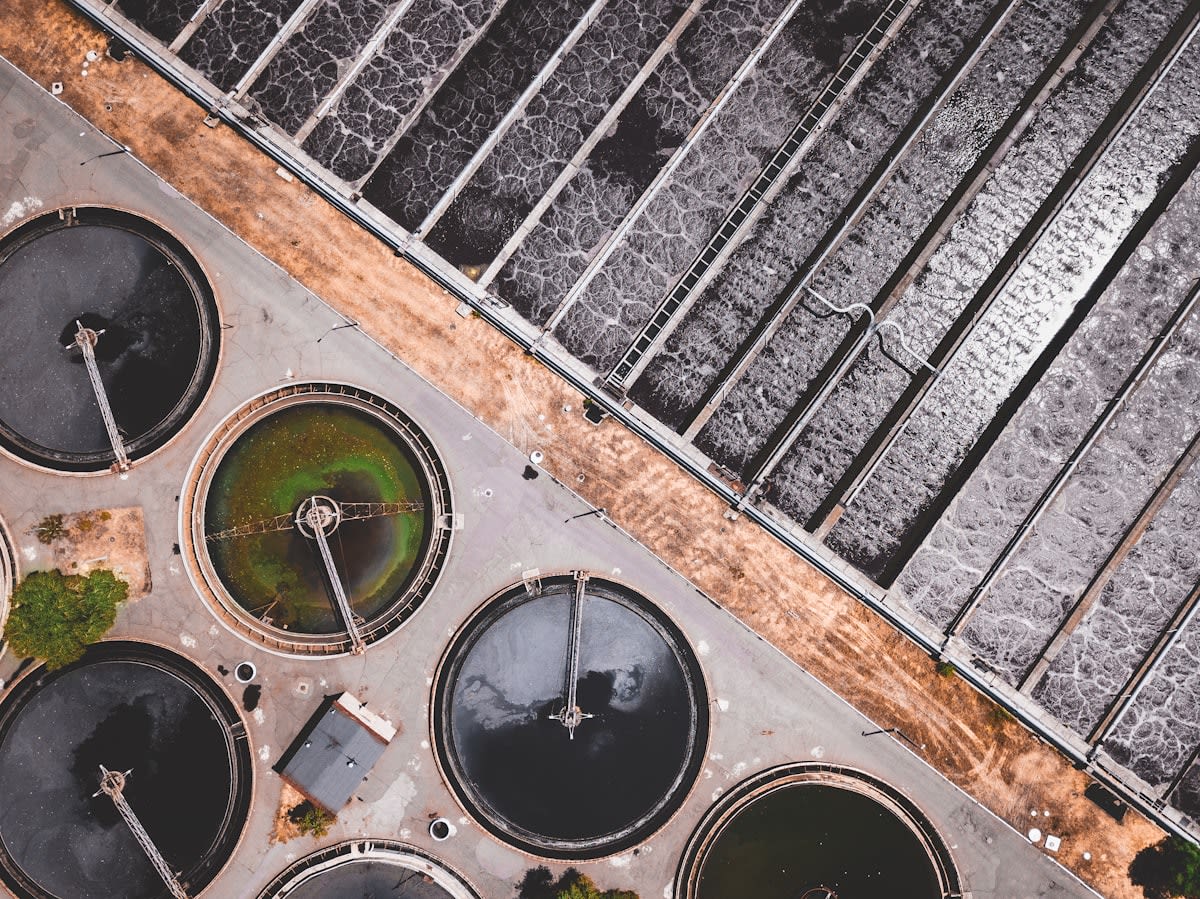
We are entering an era of 'atmospheric sovereignty.' For the first time, landlocked cities in arid regions can ignore the river-rights treaties that have caused conflicts for centuries. When a city can generate 20% to 40% of its water from the air, its leverage in regional negotiations increases. It is no longer begging for a share of a shrinking river; it is harvesting the sky.
However, this leads to a new question: can you 'steal' humidity? While the volume of water in the atmosphere is astronomical—estimated by NOAA to be roughly 12,900 cubic kilometers—the localized effect of massive AWG arrays is still being studied. If a city deploys ten thousand industrial harvesters, does it affect the local microclimate? Does it reduce the dew point for surrounding agriculture? These are the questions currently dominating the academic journals, and the answers will determine the regulatory framework of the 2030s.
- Modular Deployment: AWG allows cities to scale water production incrementally based on population growth.
- Energy Synergy: The rise of low-cost solar is solving the primary barrier to AWG viability.
- Resilience: Decentralized nodes eliminate the risk of city-wide water failure from a single pipe burst or contamination event.
- Environmental Recovery: Reducing reliance on river extraction allows depleted aquifers and stressed riverbeds to recharge.
The trajectory is clear. We are moving away from the era of the Great Pipe and toward the era of the Great Harvest. The cities that thrive in the next fifty years will be those that stop looking down at the ground for their water and start looking up.
Fact-Check & Accuracy Note
Key claims regarding the cost reduction of solar-integrated AWG are based on IRENA's 2023 renewable integration frameworks. Data on water-collection time in Africa is sourced from World Bank 2024 development metrics. The debate regarding 'humidity theft' remains an area of active academic uncertainty, with no consensus yet on the microclimatic impact of city-scale arrays.