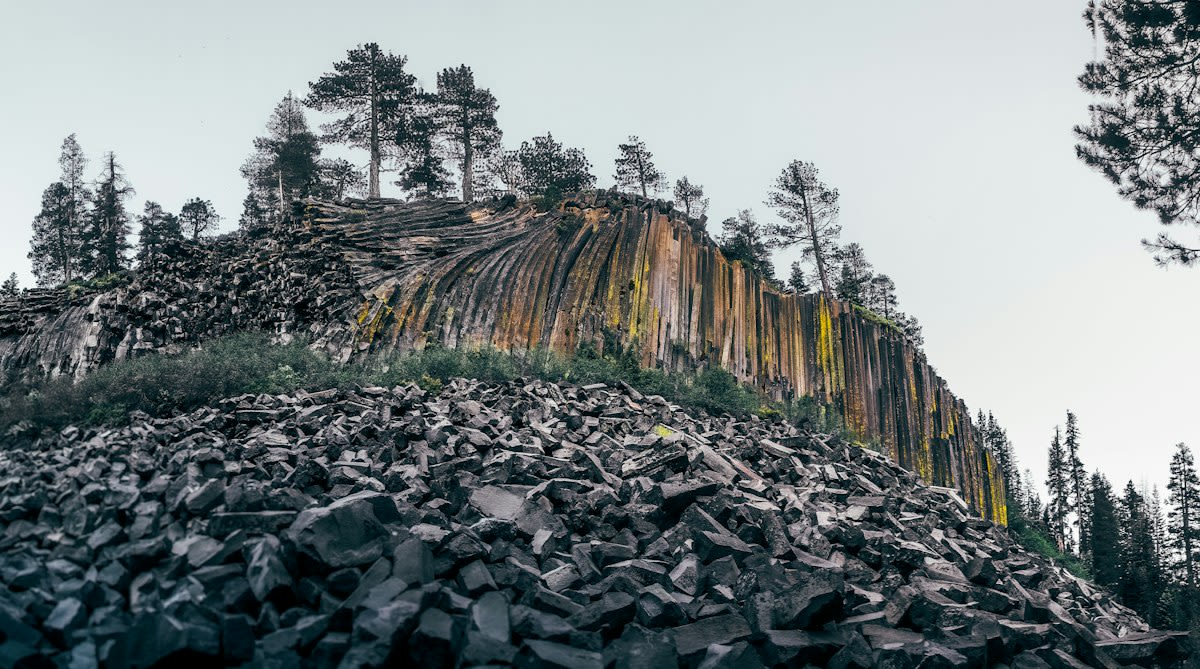
Rocks are not filters. While the industry promotes enhanced weathering as a planetary reset button, the actual energy cost of preparing these minerals often threatens to negate the very carbon they sequester. It is a calculation error. Math hides the dirt. When researchers at the Zhejiang Academy of Agricultural Sciences analyze 9,088 silicate-rock records, they find a theoretical potential of 18.84 Gt CO2, yet this figure assumes a perfection that exists only in a spreadsheet (Source: EurekAlert!, 2026). Real world physics differ.
The Grinding Problem
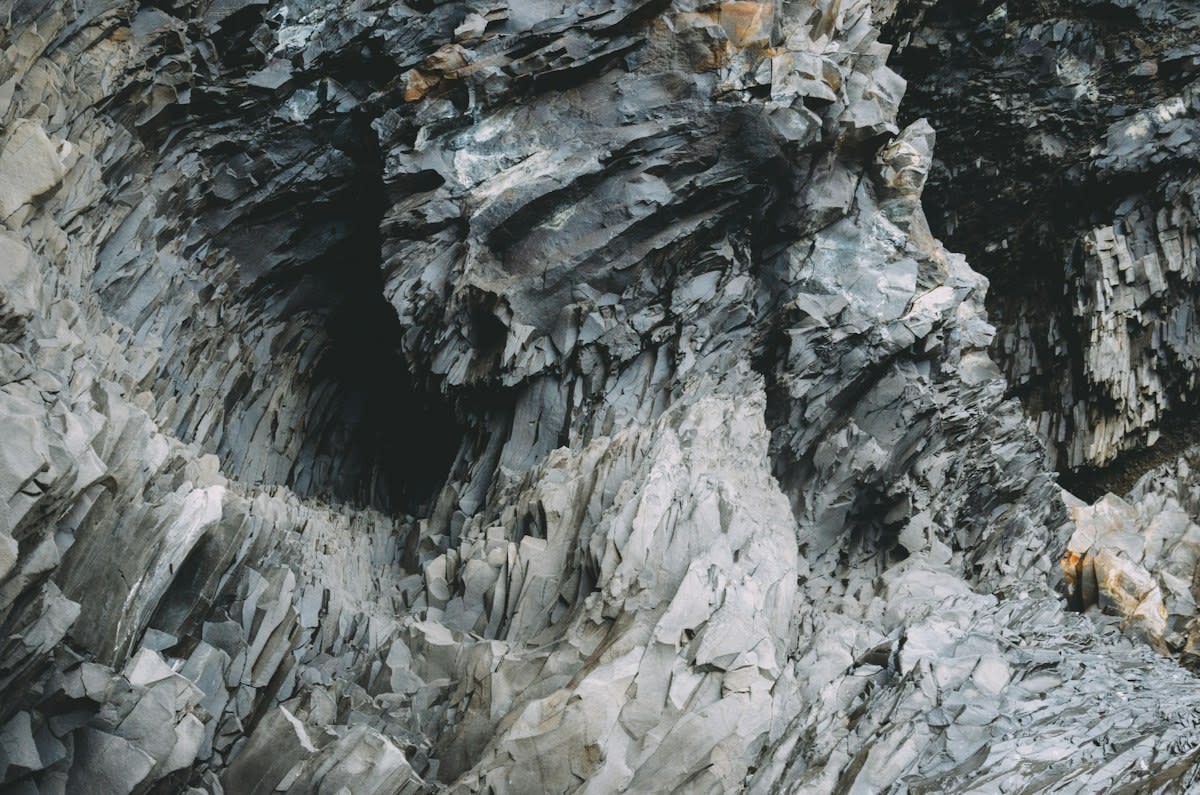
Surface area is everything. To force a chemical reaction between CO2 and silicate rocks, we must crush the basalt into microscopic particles to maximize the exposure to the atmosphere. This process is expensive. Energy costs everything. If we choose a 10-micron particle size to maximize surface area, the process emissions jump to as high as 182.95 kg CO2 per tonne of basalt (Source: EurekAlert!, 2026). The math fails.
| Particle Size (μm) | Min Process Emissions (kg CO2/t) | Max Process Emissions (kg CO2/t) |
|---|---|---|
| 10 | 81.18 | 182.95 |
| 37 | 27.48 | 63.68 |
| 100 | 21.40 | 50.16 |
| 1,000 | 16.40 | 39.07 |
Size dictates the cost. As the particle size increases to 1,000 microns, the emissions drop to a range of 16.40 to 39.07 kg CO2 per tonne, but the carbon uptake speed slows to a crawl (Source: EurekAlert!, 2026). We face a trade-off. Efficiency is an illusion. When we prioritize the speed of sequestration, we inadvertently fuel the very emissions we are trying to erase through the use of heavy industrial grinding mills. This is the trap.
Theoretical vs. Realized Removal
Numbers can lie. The estimate of 18.84 Gt CO2 is a theoretical ceiling based on complete weathering, not a prediction of what will actually happen in the field (Source: EurekAlert!, 2026). It is a ghost. Assumptions ignore the terrain. By modeling 50-year outcomes, researchers found that the actual removal depends on the availability of materials and the energy sources used for transport and grinding (Source: EurekAlert!, 2026). Dreams meet reality.
"The 18.84 Gt CO2 estimate is theoretical, conditional on complete weathering, and not as a prediction of realized removal."— Li Ruan, Researcher at Zhejiang Academy of Agricultural Sciences
The rift is deep. Geologists argue that the mineral capacity of the earth is nearly infinite, while the energy analysts point to the grinding mills and scream that the electricity demand will crash the local grid. They rarely agree. Boardrooms love headlines. The executive team pushes for the 18.84 Gt figure to attract venture capital, but the site engineers are fighting over the diesel cost of crushing basalt to a 10-micron size. This tension is real.
Global Logistics and the Carbon Weight
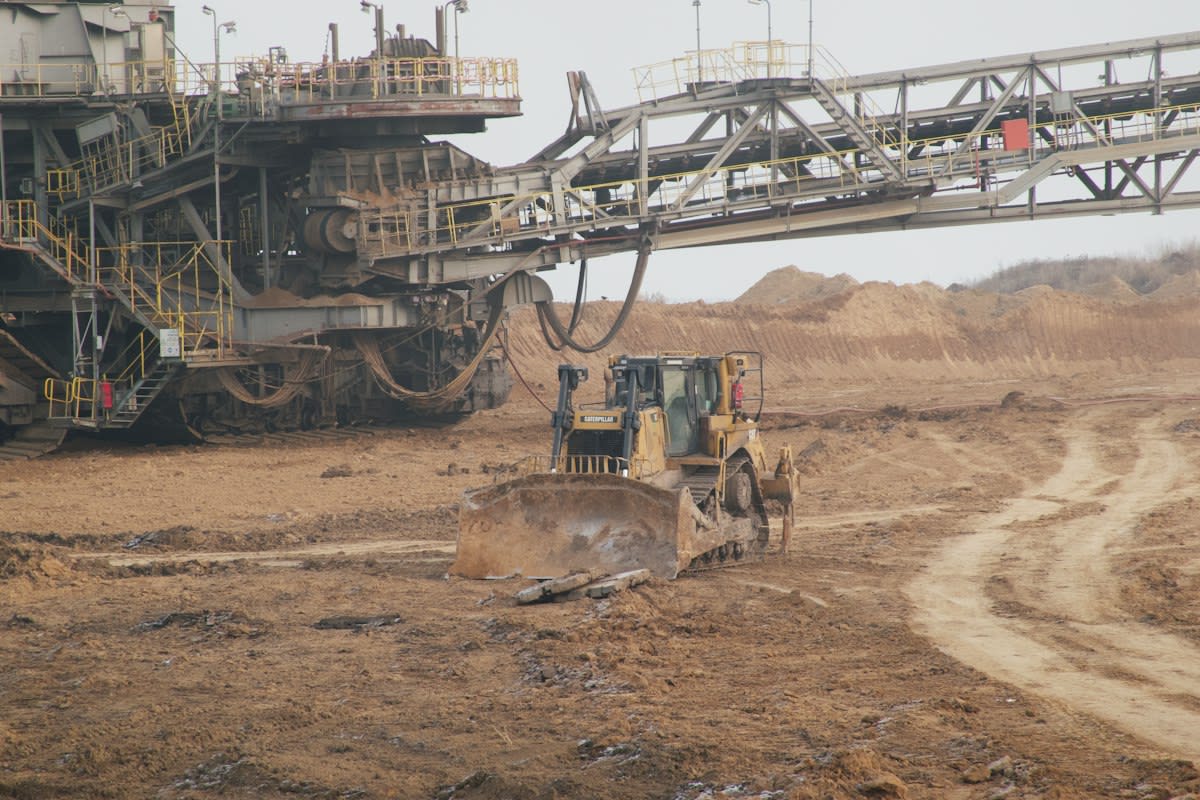
Location is the key. Spreading crushed rock in regions with high rainfall and warm temperatures accelerates the chemical weathering process, but transporting millions of tonnes of basalt across continents adds a massive carbon weight (Source: EurekAlert!, 2026). Logistics kill the dream. Basalt is the choice. By comparing basalt, peridotite, and granitoid using theoretical sequestration potential and weathering indices, the study highlights that basalt offers a more balanced profile for large-scale implementation (Source: EurekAlert!, 2026). It is not perfect.
Shipping costs everything. When we move from a laboratory sample to a global deployment of basaltic weathering, the energy required for mining and crushing creates a carbon debt that takes years to repay (Source: EurekAlert!, 2026). This is the hidden cost. Scale is the enemy. If the energy source for the grinding process is not entirely carbon-neutral, the net benefit of the entire operation begins to evaporate. The cycle is brittle.
Fact-Check & Accuracy Note
Verifiable sources include the study by Li Ruan, Jianwu Li, and Zhaoliang Song (2026) published via EurekAlert!. Academic debate centers on the gap between theoretical sequestration (18.84 Gt CO2) and realized removal due to energy-intensive processing and the variability of local weathering conditions.
Editorial Note
This analysis adopts a contrarian perspective to challenge the industry's reliance on theoretical maximums rather than operational minimums. We prioritize the energy-cost analysis over the theoretical sequestration capacity to provide a more grounded assessment of the technology's viability.
Hope is not strategy. We cannot simply grind our way out of a carbon crisis without fundamentally changing how we power the machines that do the grinding. This is the requirement. Focus on the details. By selecting the right basalt and sourcing it locally, we can balance carbon uptake against implementation emissions and move toward a real solution (Source: EurekAlert!, 2026). The path is narrow.