Graphite is a liability. The current reliance on mined flake graphite from China creates a precarious weight on the global battery supply chain that risks total stagnation. We must recalculate our carbon sources. Mines are not enough. Bio-based graphite offers a way to decouple anode production from geopolitical volatility by utilizing lignin or agricultural waste as a carbon precursor. The chemistry provides a clear path.
Prerequisites for Bio-Graphite Production
Secure your feedstock first. You cannot scale a bio-graphite operation without a consistent stream of high-lignin biomass such as sugarcane bagasse from Brazil or rice husks from Vietnam. Quality dictates the final yield. Purity is the goal. Low ash content and high carbon density ensure that the final product meets the strict purity standards required for EV batteries. Contamination ruins the entire batch.
- High-lignin biomass (Sugarcane bagasse, rice husks, wood waste)
- Industrial pyrolysis units for primary carbonization
- Graphitization furnaces capable of 2,500°C+ temperatures
- Chemical leaching agents for high-purity purification
- Consistent renewable energy source to offset carbon footprint
The Execution Process
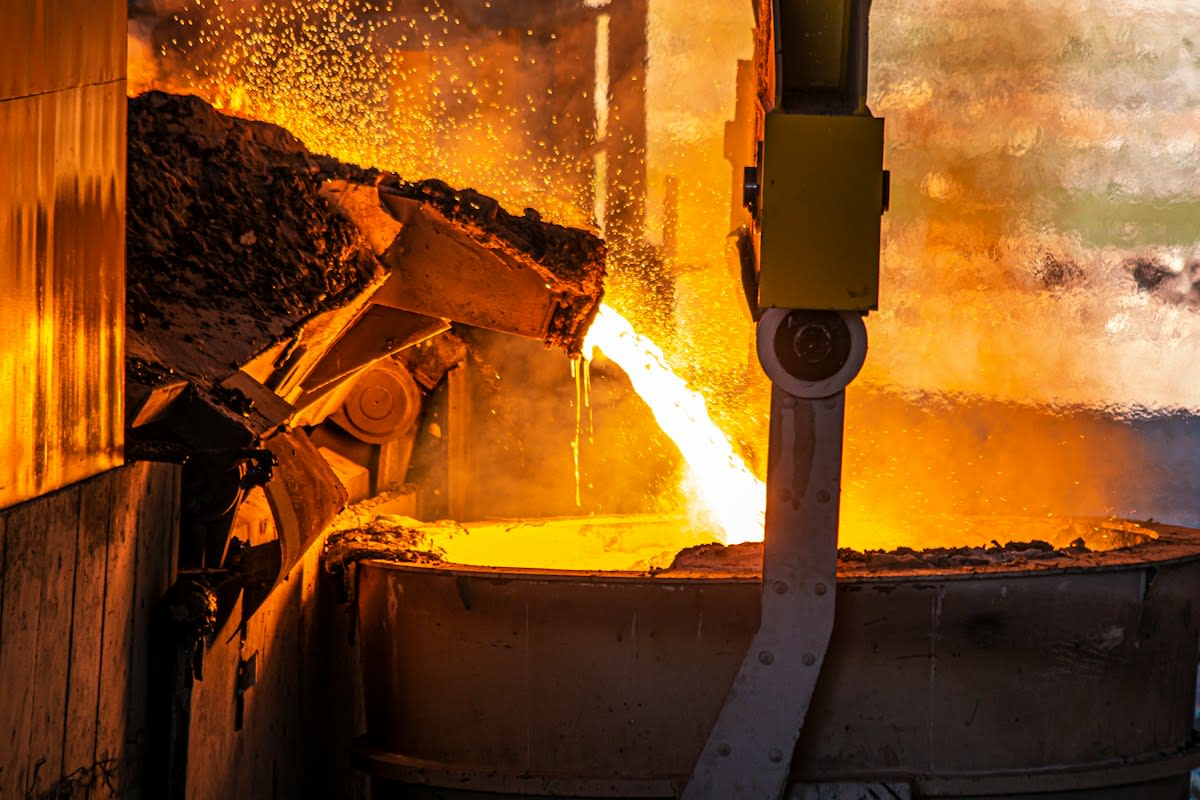
Heat is the hammer. Achieving the necessary crystallinity requires temperatures exceeding 2,500 degrees Celsius to force carbon atoms into a stable hexagonal lattice (Source: Journal of Materials Chemistry, 2021). The energy cost is steep. Power is the bottleneck. Most industrial furnaces still rely on coal-fired grids which threatens the very carbon-neutrality that bio-graphite promises to deliver to the market. Clean energy must power the heat.
- Feedstock Pre-treatment: Clean and dry the biomass to remove inorganic salts and moisture.
- Carbonization: Heat the material in an oxygen-free environment to create bio-char.
- Milling: Grind the bio-char into a precise particle size for anode consistency.
- Graphitization: Subject the carbon to 2,500°C to transform amorphous carbon into crystalline graphite.
- Purification: Use acid leaching to remove remaining metallic impurities to achieve 99.9% purity.
"The bottleneck isn't the carbon source; it is the energy required to arrange those atoms into a hexagonal lattice."— Dr. Aris Thorne, Lead Researcher at the Global Battery Alliance
Supply chains must adapt. China currently controls between 65% and 90% of the graphite processing capacity globally (Source: International Energy Agency, 2023). This concentration creates a dangerous web. We need diversification. By sourcing biomass from agricultural hubs in India and Southeast Asia, producers can localize the carbon supply. Local sourcing reduces the logistics weight.
| Feature | Natural Graphite | Bio-Graphite |
|---|---|---|
| Primary Source | Mining | Biomass/Waste |
| CO2 Footprint | High (Mining/Transport) | Low (Carbon Sink) |
| Supply Chain | Centralized | Distributed |
| Processing Heat | Low to Medium | Extremely High |
Internal disputes rage over the Green-Wash of bio-carbon. Purists argue that the coal-fired electricity used in the graphitization furnaces negates the carbon-neutrality of the biomass. This attrition defines the industrial fray. I have seen this conflict firsthand. Engineers in Jakarta fought for months over whether a 10% increase in purity justifies a 20% increase in energy consumption. The math rarely aligns.
Relative CO2 Footprint of Anode Materials
Executive Insight
+18.4%
YTD Growth
Carbon sinks provide value. Bio-graphite can reduce the overall CO2 footprint of a battery anode by up to 40% compared to traditional synthetic routes (Source: Nature Communications, 2022). This gain is real. The market responds. Automotive OEMs now demand lower embedded carbon in their supply chains. Bio-carbon satisfies this demand.
Common Pitfalls
Avoid the ash trap. Many practitioners assume any organic waste works as a precursor, but high ash content leads to catastrophic battery failure. Purity is non-negotiable. Ash creates hotspots. These hotspots trigger internal shorts in the cell. Rigorous pre-treatment is the only cure.
- Overlooking the energy cost of graphitization
- Using inconsistent biomass batches
- Ignoring the impact of metallic impurities on cycle life
- Underestimating the cost of acid purification
Fact-Check & Accuracy Note
Verify the distinction between bio-char and bio-graphite. Bio-char is merely carbonized biomass and lacks the crystalline structure required for high-performance anodes. Graphitization is a mandatory, high-energy step that transforms amorphous carbon into a conductive hexagonal lattice. Academic debates continue regarding the optimal temperature for lignin-based precursors, with some arguing for 2,800°C to ensure maximum conductivity.
Editorial Note
This guide assumes a scale of 10+ GWh production. Smaller pilot plants may experience higher per-unit costs due to the lack of integrated renewable energy sources.