From worst to best currency: Rupee closes in on 91 to dollar as RBI steps in, FPIs stage record return
Source Entity
Siddharth Upasani
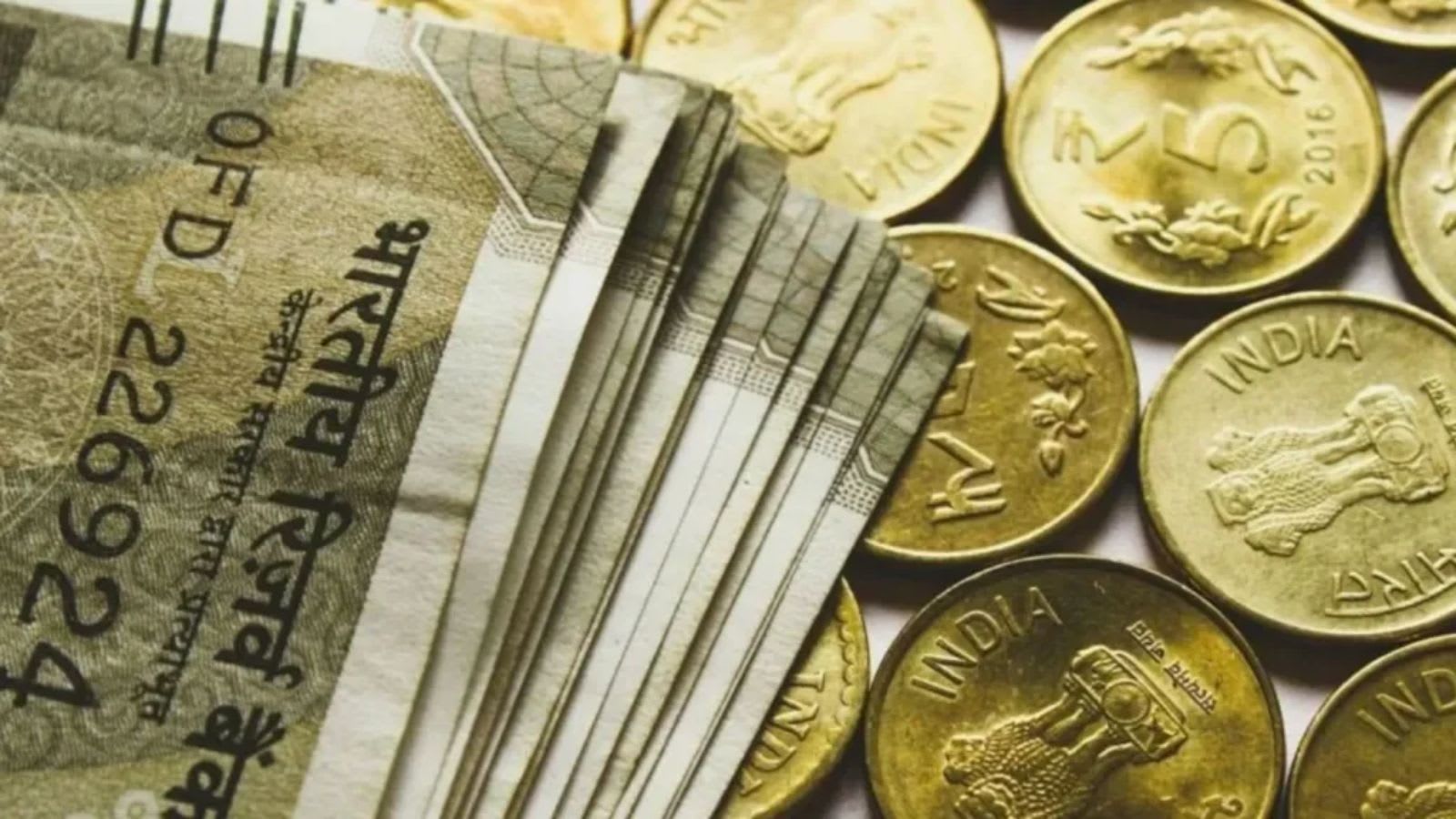
The Indian rupee has rebounded to an eight-month high, driven by RBI interventions and record-breaking foreign portfolio inflows. This recovery contrasts sharply with a historic $4.95 billion net FDI outflow recorded in September.
The Dual Narrative of India's Currency and Investment Landscape
In a dramatic reversal of fortunes, the Indian rupee has transitioned from being Asia’s worst-performing currency to its top performer in just six weeks. After struggling through the first nine months of 2026 and flirting with the 97-per-dollar mark in May, the currency staged a robust recovery to reach an eight-month high of 92.18-per-dollar. This surge, culminating in a closing rate of 92.23, has effectively wiped out the losses accrued earlier in the fiscal year.
The Role of RBI and Portfolio Inflows
The turnaround is largely attributed to a two-pronged catalyst: aggressive intervention by the Reserve Bank of India (RBI) and a massive influx of foreign capital. Following the announcement of extraordinary measures on October 10, the central bank successfully curtailed speculative bets against the rupee. Concurrently, the domestic stock market witnessed record-breaking foreign portfolio investment (FPI) inflows, totaling $14.3 billion in November alone. This surge in liquidity, coupled with a decline in global crude oil prices, has significantly bolstered the rupee’s demand-supply dynamics.
The Paradox of FDI Outflows
Despite the strength in portfolio investment, the broader economic picture remains complex. Recent RBI data revealed that India experienced a net Foreign Direct Investment (FDI) outflow of $4.95 billion in September—the worst performance since at least 2011. This figure is stark, dwarfing the previous record of $2.69 billion set in July 2024. The phenomenon is driven by a combination of slumping gross inflows, increased overseas investment by Indian firms, and record-high repatriations of profits and dividends by foreign entities.
Economic Implications of a Stronger Rupee
A stronger rupee acts as a double-edged sword for the Indian economy. On the positive side, it enhances the nation’s purchasing power and serves as a vital tool in containing imported inflation, which is particularly beneficial given the country's reliance on energy imports. By lowering the cost of essential raw materials, the RBI’s current trajectory aims to stabilize the domestic price environment and protect consumer spending power.
Challenges to Export Competitiveness
However, the rapid appreciation of the currency presents significant risks. Excessive strength in the rupee can erode the price competitiveness of Indian exports in the global market, potentially hampering the manufacturing sector. As the RBI navigates this landscape—having sold a net $6.9 billion in September to manage volatility—it must strike a delicate balance between curbing inflation and ensuring that domestic exporters remain viable on the international stage.
Future Outlook and Trends
Looking forward, the resilience of the Indian market will depend on whether the record FPI inflows can be sustained to offset the volatility seen in FDI. While the current momentum is positive, the disparity between portfolio inflows and direct investment suggests a cautious outlook. The RBI’s continued vigilance will be essential to ensure that the rupee’s recovery remains stable rather than volatile, as the nation balances the benefits of a stronger currency against the long-term needs of its export-oriented manufacturing base.
Multiple Citing Sources