Textiles On Trump's New Tariffs List For India, Phones, Medicines Exempted
Source Entity
NDTV News Search Records Found 1000
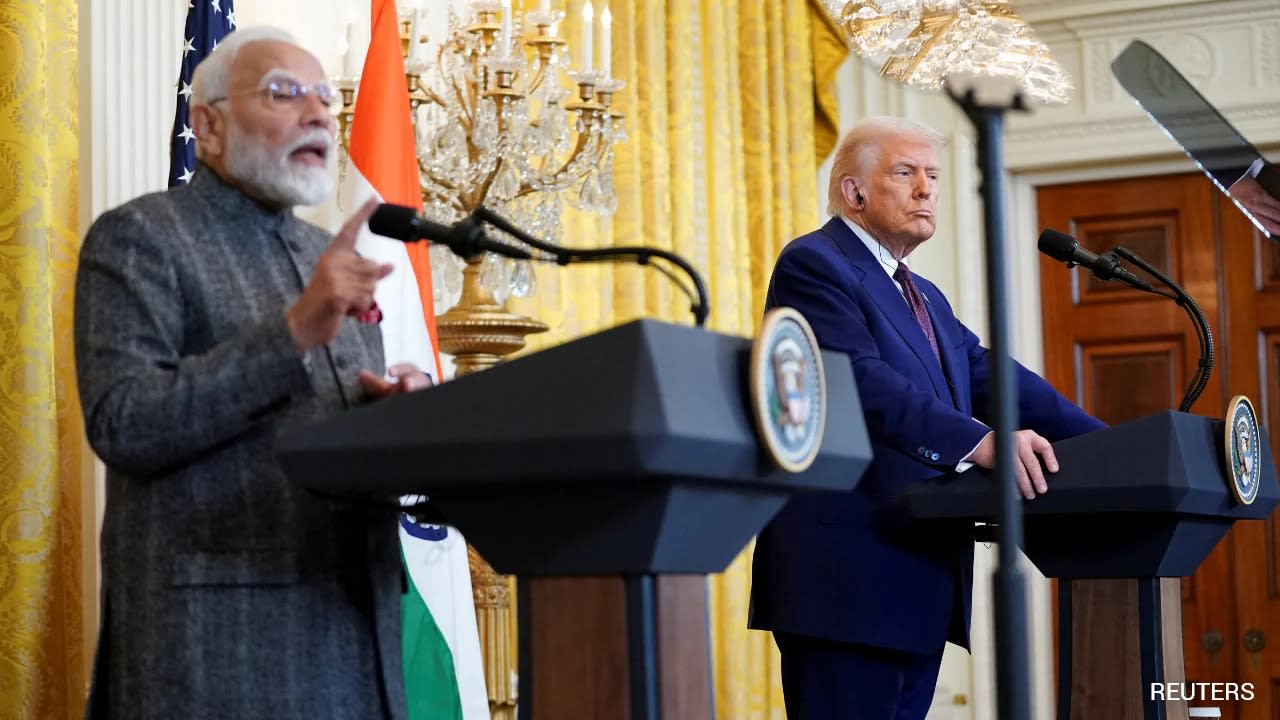
Recent reports indicate that textiles are included in President-elect Trump's new tariff list affecting India, though key sectors like smartphones and medicines remain exempt. This policy adjustment highlights a strategic shift in trade relations that avoids critical technology and healthcare supply chains.
Analysis of Proposed Tariff Impacts on Indo-US Trade
Overview of the Tariff Landscape
Recent reports indicate that the incoming administration under President-elect Donald Trump has identified specific sectors for new trade tariffs, with the textile industry emerging as a focal point for India. While trade policy remains fluid, the inclusion of fabrics and garments on the draft annex suggests a targeted approach to domestic manufacturing protectionism. This development marks a significant juncture in the bilateral trade relationship between the United States and India, necessitating a close examination of how these levies might reshape industrial competitiveness.
Strategic Exemptions: Tech and Pharma
Crucially, the current proposal provides a significant buffer for high-value sectors, specifically smartphones and pharmaceuticals. By exempting these categories, the administration appears to be balancing protectionist goals with the pragmatic reality of global supply chain dependencies. India has spent years positioning itself as a viable alternative manufacturing hub for electronics, and the exclusion of phones from these tariffs signals a desire to maintain the current momentum in the tech hardware space without inducing inflationary shocks for American consumers.
The Textile Sector: A Point of Friction
While the broader annex excludes many new fabrics and garments, the presence of these items on the list remains a point of concern for Indian exporters. The textile industry is a labor-intensive pillar of the Indian economy, providing employment to millions. Any shift in tariff status could force Indian manufacturers to re-evaluate their pricing strategies or seek alternative markets, potentially leading to a diversification of trade routes that could alter long-term export dynamics in South Asia.
Broader Economic Implications
The decision to apply tariffs selectively reflects a broader 'America First' trade philosophy aimed at incentivizing domestic production. By targeting specific commodities while shielding critical healthcare and telecommunications infrastructure, the administration is attempting to minimize domestic disruption. However, the ripple effects on Indian export volumes in the textile sector could be substantial if these measures are finalized and implemented in the coming months.
Future Trends and Outlook
Moving forward, the Indo-US trade relationship will likely be defined by a series of negotiations aimed at navigating these tariff frameworks. We can expect increased diplomatic pressure as India seeks to maintain its market share in the US while the US pushes for reciprocal trade advantages. The resilience of the pharmaceutical and technology sectors will be key benchmarks for how effectively both nations can cooperate despite the broader protectionist headwinds currently facing global trade.
Verification Required?