UK government set to publish new treaties agreed with EU
Source Entity
BBC News
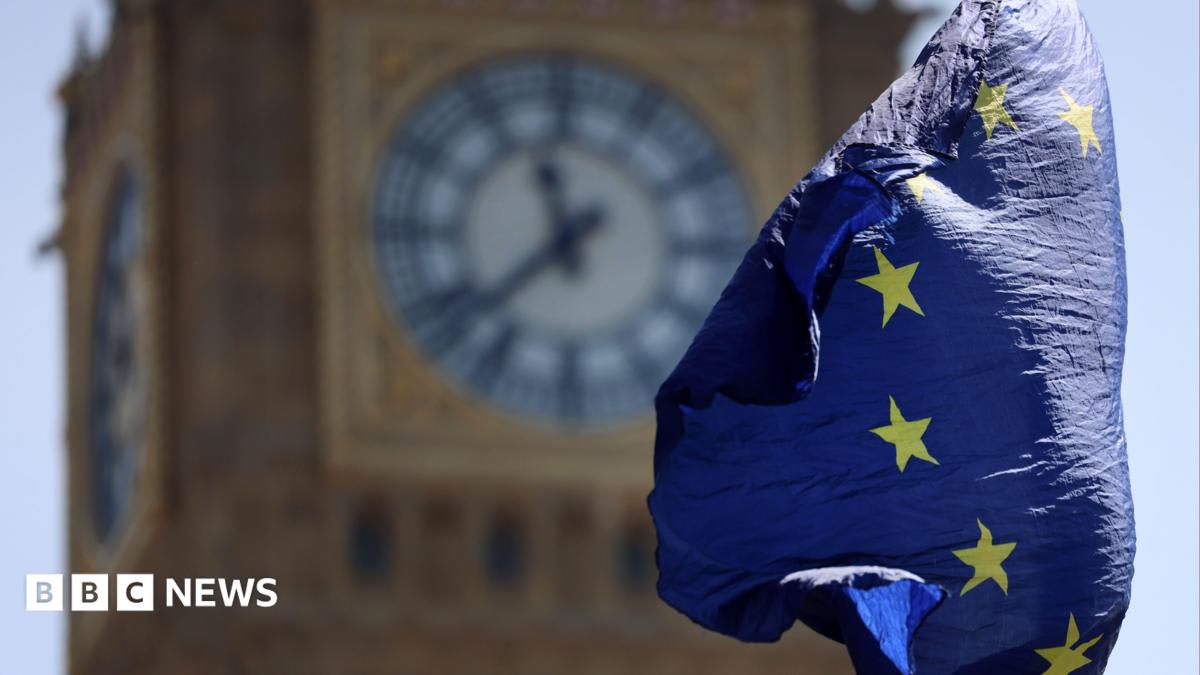
The UK government is unveiling new treaties with the EU aimed at reducing trade barriers for food exporters. While the deal promises a 16% boost in agricultural exports, global economic pressures may temper price relief for consumers.
The New UK-EU Trade Landscape: A Strategic Shift
The UK government is moving forward with the publication of new treaties aimed at recalibrating trade relations with the European Union. Central to these agreements is the dismantling of border facilities and the significant reduction of red tape that has hampered food exporters since the post-Brexit transition. By streamlining these logistical hurdles, the government anticipates a more fluid movement of goods, marking a pivotal shift in how the UK manages its regulatory alignment with its largest trading partner.
Economic Projections and Agricultural Growth
Internal government analysis provides an optimistic outlook for the agricultural sector, forecasting a 16% boost to food exports. This growth is directly attributed to the removal of burdensome border checks, which have previously inflated costs and slowed transit times for perishable goods. By lowering these barriers, the UK aims to restore the competitive edge of its farmers and food producers in the European market, potentially revitalizing trade volumes that had plateaued following the departure from the single market.
The Consumer Price Conundrum
Despite the clear benefits to exporters, the impact on domestic consumer prices remains uncertain. While both government officials and industry leaders express hope that reduced operational costs will be passed down to the checkout counter, there is a cautious consensus that visible price drops may be elusive. The complexities of the global supply chain suggest that even significant trade efficiencies may be absorbed by other market variables before reaching the average shopper.
Global Volatility and Economic Headwinds
Industry insiders have highlighted that the current macroeconomic environment is fraught with instability, which complicates the potential benefits of the new treaties. Specifically, energy price shocks stemming from conflict in the Middle East continue to place upward pressure on production and transport costs. These external factors act as a counterweight to the efficiencies gained through the new treaties, suggesting that the broader economic outlook remains sensitive to geopolitical developments beyond the UK's immediate control.
Regulatory Safeguards and Future Stability
The treaties include a specific 10-year termination clause designed to mitigate long-term risk. This provision allows for the reimbursement of costs associated with rebuilding border infrastructure should the need arise, providing a financial safety net for the government. European affairs minister Hamish Falconer has indicated that the 'Cutting Costs Bill' serves as the legislative vehicle for implementing these changes, signaling a commitment to a structured and sustainable approach to this new trade framework.
Conclusion: A Measured Optimism
In summary, the new UK-EU treaties represent a pragmatic effort to alleviate the friction in agricultural trade. While the projected 16% export growth is a promising development for the industry, the government remains grounded by the reality of global economic volatility. By balancing regulatory relief with long-term financial safeguards, the UK is attempting to navigate a complex path toward greater trade efficiency in an unpredictable international climate.