Cabinet Meeting LIVE Updates: Centre prepares for Parliament's November 30 sitting, delimitation in focus
Source Entity
Latest News: Todays Latest News Headlines from India & World | Hindustan Times
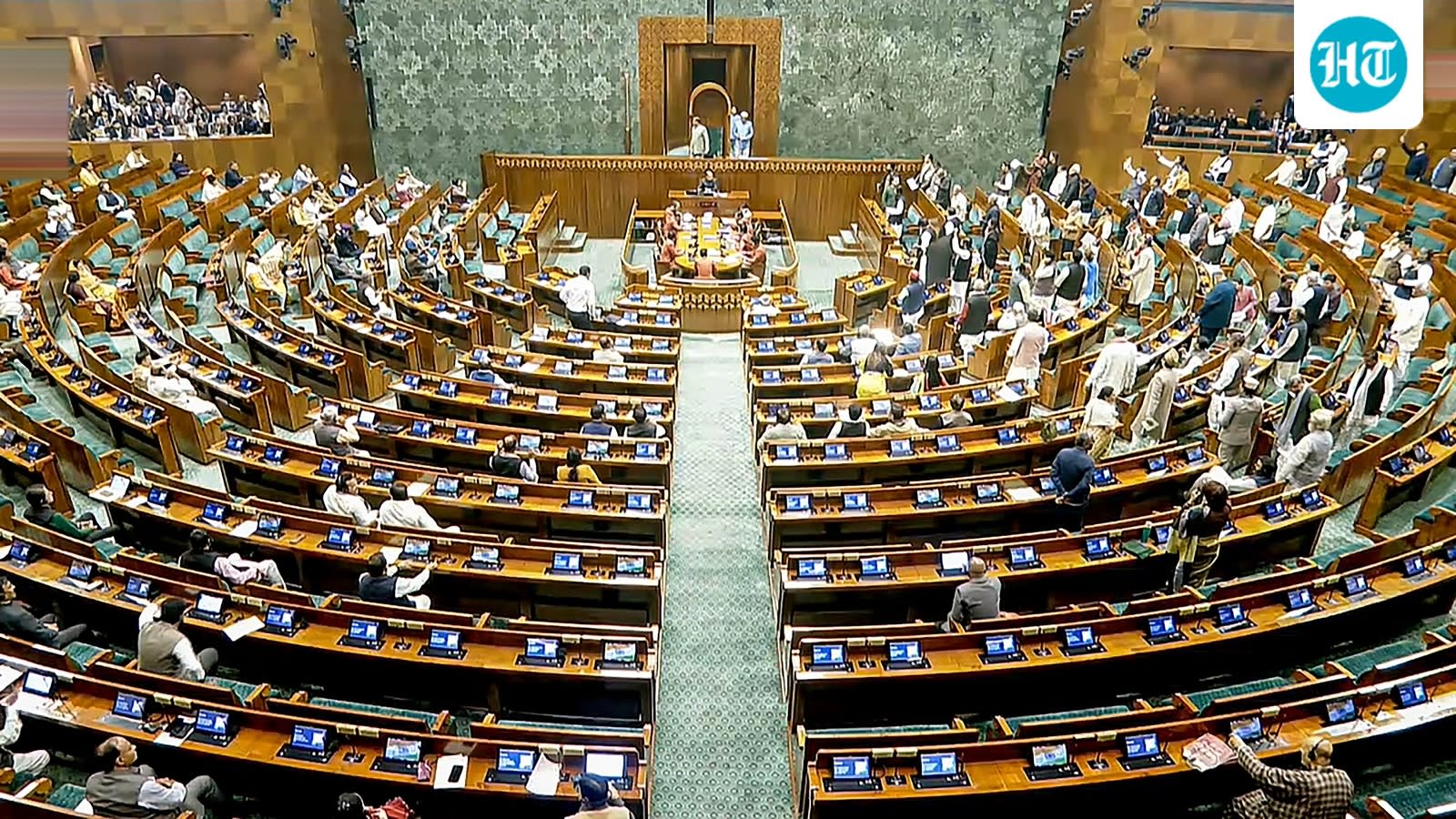
The Indian government is reconvening Parliament from November 30 to December 3 to revive the failed 131st Constitutional Amendment Bill. This legislation aims to implement 33% women's reservation in the Lok Sabha alongside a major delimitation exercise to increase seat counts to 850.
The Legislative Push for Electoral Reform
The Indian government has officially moved to reconvene Parliament for a brief session between November 30 and December 3, 2026. This move, announced by Parliamentary Affairs Minister Kiren Rijiju, follows a hiatus of over 100 days since the conclusion of the Monsoon Session. The primary objective behind this urgent recall is the pursuit of 'Essential Government Business,' a term that has triggered significant political speculation regarding the revival of major structural reforms that stalled earlier this year.
The Failed 131st Amendment Bill
The central focus of this session is the government’s renewed attempt to pass the Constitution (131st Amendment) Bill, 2026. This specific piece of legislation is designed to institutionalize a 33% reservation for women in the Lok Sabha. The bill’s previous attempt at passage on April 17, 2026, resulted in a setback for the ruling coalition, as the government failed to secure the required special majority necessary for a constitutional amendment. The upcoming session represents a critical second bid to overcome this legislative hurdle.
Delimitation and the Expansion of Representation
Beyond gender-based reservation, the legislative agenda is inextricably linked to the process of delimitation. The government’s proposal seeks to increase the total number of Lok Sabha constituencies to as many as 850. This expansion is viewed as a necessary precursor to accommodating the 33% women's quota, ensuring that the reservation does not negatively impact the existing representation of current parliamentary segments. The synergy between delimitation and reservation is intended to reshape the demographic and political landscape of the Indian legislature.
Strategic Implications for 2029
The ultimate goal of these legislative maneuvers is to ensure the implementation of the women's reservation policy in time for the 2029 Lok Sabha elections. By pushing for these reforms now, the government is attempting to finalize the complex logistical and legal frameworks required for a massive redrawing of electoral boundaries and the subsequent integration of the gender quota. The urgency of the December session suggests a strategic timeline designed to clear these reforms well in advance of the next general election cycle.
Challenges and Future Trends
The failure to pass the bill in April highlights the difficulty of achieving a consensus on constitutional amendments, which require support from across the political spectrum to meet the special majority threshold. As Parliament prepares to resume, the government faces the dual challenge of building that consensus while managing the political friction inherent in any delimitation exercise. If successful, this session will mark a historic shift in Indian parliamentary representation, setting a new precedent for federal electoral policy in the coming decade.
Multiple Citing Sources
Verification Required?