50 recruits skip skill tests, Bihar Legislative Council moves to cancel appointments
Source Entity
Santosh Singh
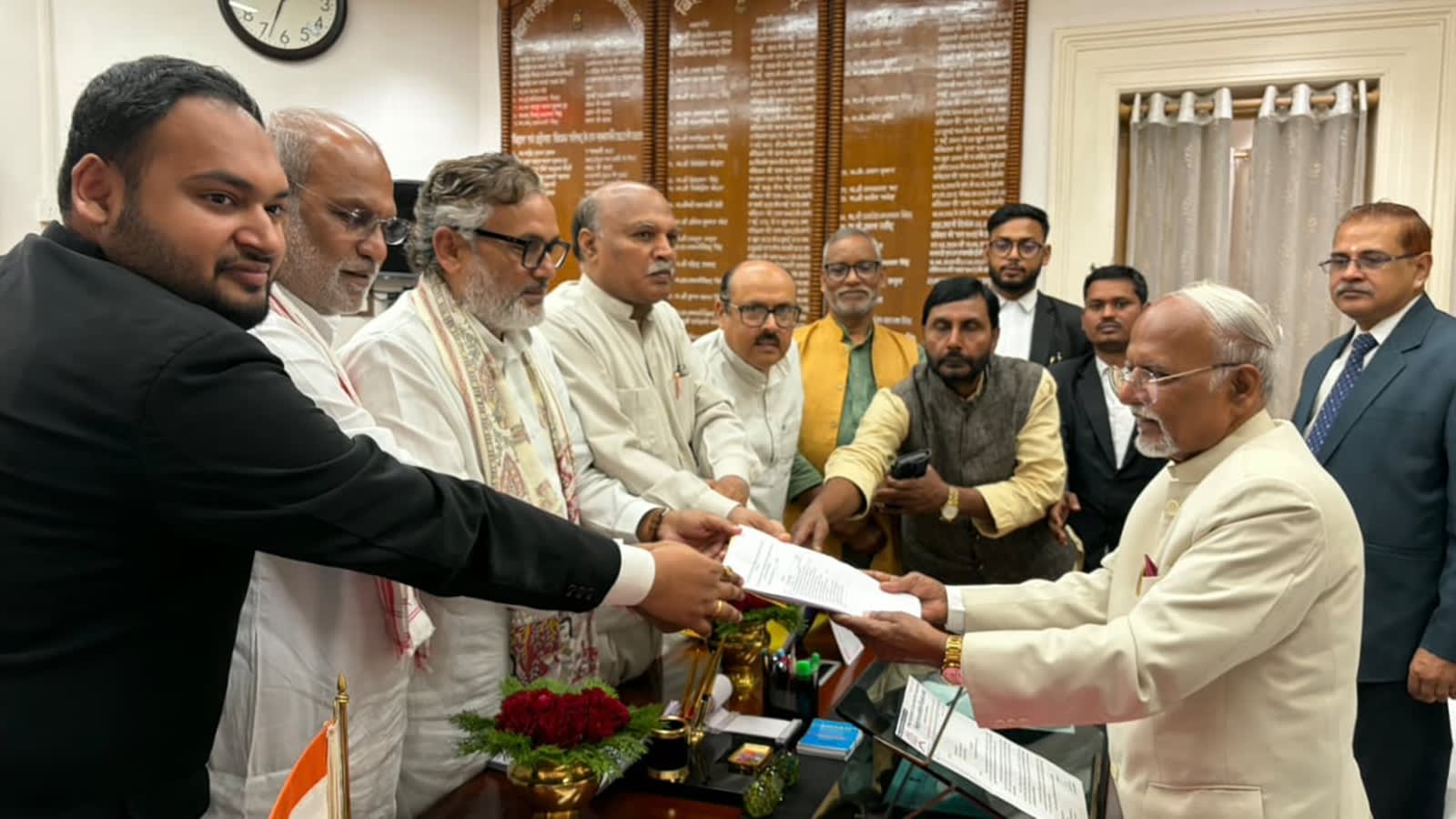
The Bihar Legislative Council has canceled 50 recent staff appointments following allegations of favoritism and recruitment irregularities. An internal probe is underway after dozens of candidates failed to appear for mandatory proficiency re-tests.
Bihar Legislative Council Faces Recruitment Crisis
The Bihar Legislative Council is currently embroiled in a significant administrative controversy following allegations of widespread favoritism and irregularities in the recruitment of over 125 secretariat staff members. These positions, which encompass vital roles such as security guards, data entry operators, personal assistants, and lower division clerks, were filled in September 2025 following a multi-year hiring process that began with advertisements in 2023 and 2025.
The Catalyst for Investigation
The situation reached a tipping point last week when 50 of the selected candidates failed to appear for mandatory shorthand and typing proficiency re-tests. This mass absence served as a flashpoint for the administration, which has now moved to cancel these 50 appointments. The failure to participate in these objective skill assessments has fueled public and political scrutiny regarding the integrity of the initial selection process, casting doubt on whether merit-based criteria were applied uniformly.
Scope of the Appointments
The recruitment drive in question involved the hiring of 57 security guards, 36 data entry operators, 15 office attendants, 10 lower division clerks, and seven personal assistants. By cancelling a significant portion of these hires, the Council is attempting a damage control exercise to restore institutional credibility. However, the sheer volume of roles affected suggests that the rot may extend beyond the 50 individuals who skipped the tests, prompting the initiation of a broader internal probe into the remaining appointments.
Institutional Integrity and Governance
This incident highlights the persistent challenges surrounding public sector employment in India, where allegations of political patronage and administrative bias often undermine government hiring processes. For the Bihar Legislative Council, the need for transparency is paramount. The internal probe must not only investigate the 50 individuals who were absent but also scrutinize the procedural adherence during the 2023 and 2025 recruitment phases to determine if systemic failures allowed unqualified or favored candidates to bypass standard vetting.
Broader Implications and Future Trends
Looking ahead, this scandal serves as a cautionary tale for legislative bodies regarding the necessity of rigorous, digitized, and transparent recruitment protocols. If the internal investigation reveals deep-seated corruption, the Council may be forced to implement more stringent oversight mechanisms, potentially involving third-party auditing of future hiring cycles. The move to cancel these appointments is a reactive measure, but the long-term solution lies in ensuring that public service roles are filled through competitive, merit-based examinations that are immune to external influence.
Conclusion
In summary, the Bihar Legislative Council is at a critical juncture. By ordering an internal probe and cancelling suspicious appointments, the administration is signaling a shift toward accountability. However, the credibility of the Legislative Council will ultimately depend on the thoroughness of this investigation and the willingness of the leadership to hold those responsible for the irregularities accountable, ensuring that future recruitment is beyond reproach.