Tamil Nadu public libraries book purchase scam: Madras High Court nominates DGP Venkataraman to monitor DVAC probe
Source Entity
India Latest News: Top National Headlines Today & Breaking News | The Hindu
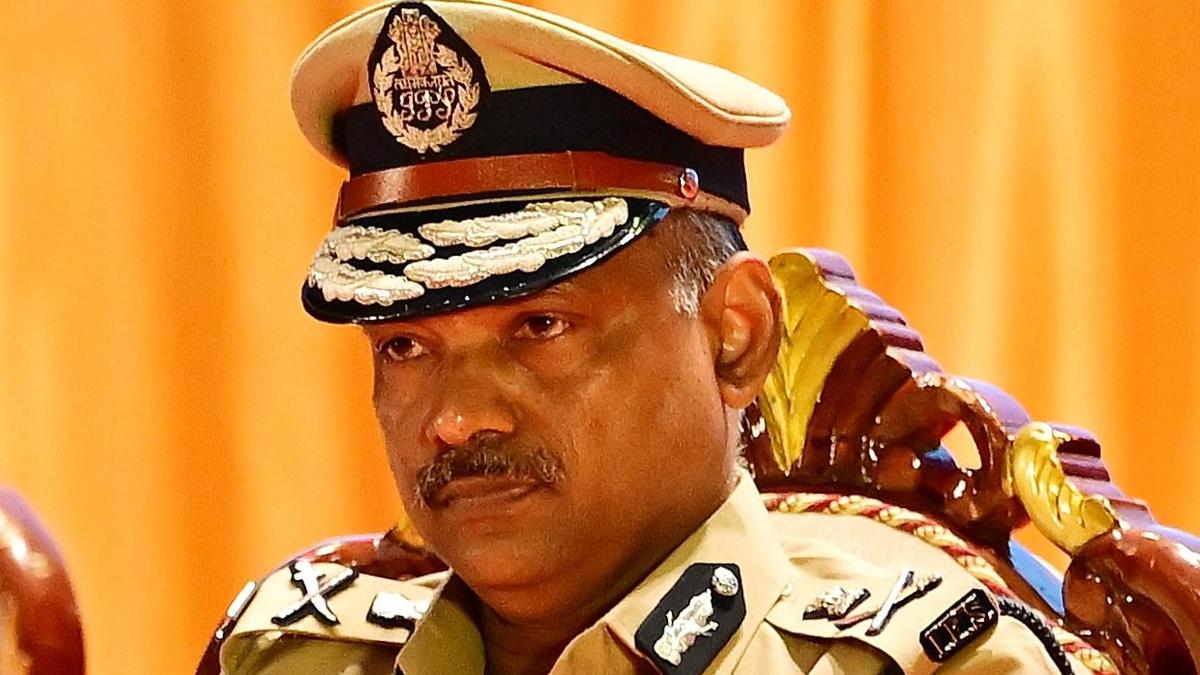
The Madras High Court is intensifying oversight of major corruption and criminal cases in Tamil Nadu, including a library book procurement scam and a school fraud case. High-profile petitions are also demanding CBI investigations into alleged misconduct by political figures, signaling a shift toward stricter judicial monitoring.
Judicial Oversight and the Fight Against Corruption in Tamil Nadu
Recent developments in the Madras High Court have signaled a significant shift in how the judiciary manages high-profile investigations in Tamil Nadu. By appointing Director General of Police G. Venkataraman to monitor the Directorate of Vigilance and Anti-Corruption (DVAC) probe into a book procurement scam for public libraries, the court is demonstrating a commitment to institutional transparency. This move, spearheaded by Justice V. Lakshminarayanan, highlights a growing judicial preference for experienced oversight, specifically leveraging Venkataraman’s background in the CBI and his prior tenure as the head of the DVAC to ensure the integrity of the ongoing investigation.
The Expansion of Judicial Scrutiny
The judicial intervention is not limited to the library procurement scandal. The Madras High Court is currently grappling with multiple Public Interest Litigations (PILs) that challenge the efficacy and impartiality of state-led law enforcement agencies. The filing of a PIL by an advocate from Tirunelveli seeking to transfer a ₹400-crore school fraud case from the Chennai Central Crime Branch to the CBI underscores a deep-seated skepticism regarding the state's investigative focus. The petitioner argues that the current probe is selectively targeting former School Education Minister Anbil Mahesh Poyyamozhi while neglecting to investigate Finance Minister N. Marie Wilson, thereby raising questions about political bias in state-led investigations.
Political Accountability and the Role of the CBI
The demand for central agency involvement extends into sensitive criminal allegations as well. Former DMK MP Kanimozhi N.V.N. Somu has moved the Madras High Court seeking a CBI probe into sexual harassment allegations against Kallakurichi TVK MLA C. Arul Vignesh. By requesting that a retired High Court judge monitor the potential CBI investigation, the petitioner is attempting to insulate the legal process from local political influence. This trend of seeking judicial monitoring alongside federal investigative oversight suggests that political actors and citizens alike are increasingly looking to the court to serve as the ultimate arbiter of fairness.
Broader Implications for Governance
These collective legal challenges reflect a broader trend in Tamil Nadu’s political landscape, where the judiciary is increasingly called upon to balance the powers of the state against allegations of institutional capture. The specific focus on the roles of ministers—such as the mention of Finance Minister Marie Wilson’s statements in the Legislative Assembly—indicates that the court may soon have to weigh the scope of legislative privilege against the requirements of criminal investigations into public funds.
Future Trends in Legal Oversight
Looking ahead, the Madras High Court’s current posture indicates a move toward more proactive supervision. If the court continues to appoint independent monitors like DGP Venkataraman, it may set a precedent for future corruption cases, potentially reducing the reliance on purely state-run investigations. This judicial trajectory suggests that the coming year will be defined by a series of high-stakes legal battles that will test the independence of investigative agencies and the accountability of political figures in the state.
Conclusion
In summary, the Madras High Court is currently acting as a pivotal check on the investigative processes of the Tamil Nadu government. Whether through the direct monitoring of corruption probes or the consideration of transferring high-profile cases to the CBI, the judiciary is asserting its role in ensuring that investigations into public fraud and personal misconduct remain transparent and impartial. As these cases move through the first Division Bench, the rulings will likely have long-term consequences for the state's political and administrative accountability.
Verification Required?