Assembly rules out expunging Jagat Singh Negi’s remarks on armed forces
Source Entity
Saurabh Parashar
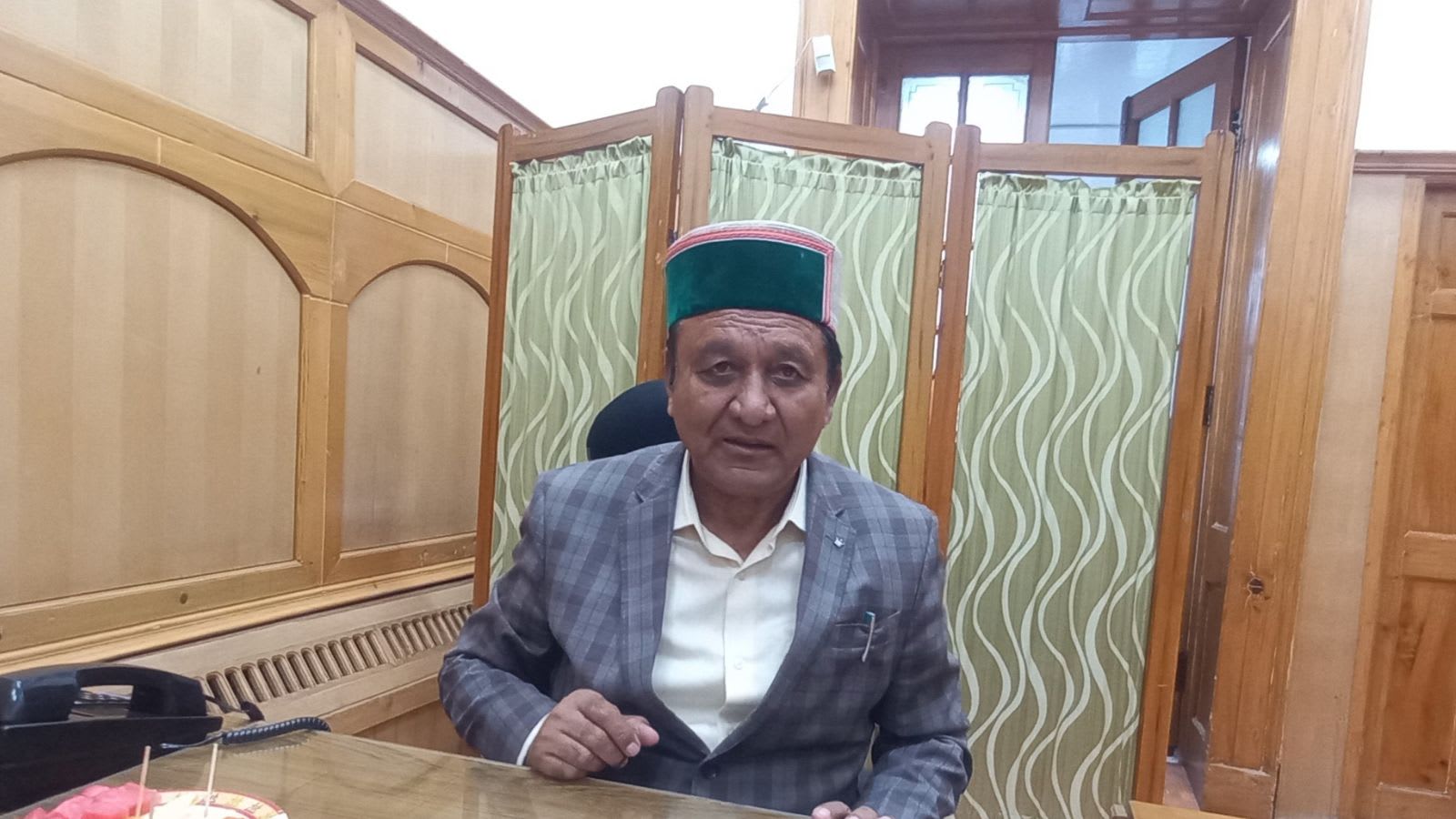
The Himachal Pradesh Vidhan Sabha has refused to expunge Revenue Minister Jagat Singh Negi’s remarks regarding the armed forces. Officials conducted a double review and concluded that his comments on Rafale aircraft and past operations were not disparaging.
Legislative Decision on Ministerial Remarks
The Himachal Pradesh Vidhan Sabha Secretariat has officially declined to expunge remarks made by Revenue Minister Jagat Singh Negi during the state's recent Winter Session. Despite significant political backlash and protests from opposition factions who deemed the commentary inappropriate, the legislative body maintained that the records will remain intact. This decision follows a rigorous internal review process designed to determine if the Minister’s statements violated parliamentary decorum or insulted the dignity of India’s armed forces.
The Process of Parliamentary Scrutiny
According to official reports, the Secretariat did not make this decision lightly. The remarks, which touched upon sensitive topics including the procurement costs of the Rafale fighter aircraft and the strategic deployment of assets during Operation Sindoor, underwent a double examination. By vetting these statements twice before issuing a final ruling, the Secretariat aimed to ensure that the legislative record remained accurate while upholding the standards of parliamentary privilege. The conclusion reached was that the commentary did not contain disparaging references toward defense personnel.
Contextualizing the Controversy
Political tension often arises when elected officials discuss national security matters, particularly regarding the high-stakes procurement of military hardware like the Rafale jets. In the context of Himachal Pradesh’s political climate, the opposition’s demand to expunge the record reflects a broader trend of leveraging legislative scrutiny to challenge government ministers. By focusing on the Minister’s specific references to 'Operation Sindoor,' the opposition sought to frame the discourse as an affront to military integrity, a charge that the Secretariat ultimately rejected based on its interpretative review.
Implications for Legislative Conduct
This incident highlights the fine line between political criticism and the protection of institutional reputation. The Vidhan Sabha’s refusal to act serves as a precedent for how the body handles future disputes over ministerial speech. It reinforces the authority of the Secretariat to act as an objective arbiter, shielding the legislative process from being weaponized solely to silence controversial political viewpoints. For the ruling government, this is a procedural victory that allows the Minister's statements to remain part of the official historical record of the Winter Session.
Future Trends in Parliamentary Discourse
As political polarization continues to influence legislative proceedings across India, we can expect more frequent challenges regarding what constitutes 'objectionable' language in the assembly. The reliance on formal reviews to settle these disputes suggests that the Secretariat will continue to play a pivotal role in maintaining order. Moving forward, the focus will likely shift to how political parties navigate the fallout of such decisions, as both the ruling party and the opposition continue to utilize the Vidhan Sabha as a primary stage for their ideological battles.
Conclusion
The decision to uphold the inclusion of Jagat Singh Negi’s remarks in the Vidhan Sabha proceedings marks a definitive end to the immediate procedural challenge. By determining that the speech did not cross the threshold of disparagement, the Secretariat has reinforced the boundaries of protected political speech within the assembly. This case serves as a reminder of the complex intersection between national security discourse and the operational mechanics of state-level parliamentary governance.