Akal Takht Hukamnama bars ties with RSS: Charanjit Singh Channi questions SAD-BJP ties
Source Entity
Man Aman Singh Chhina
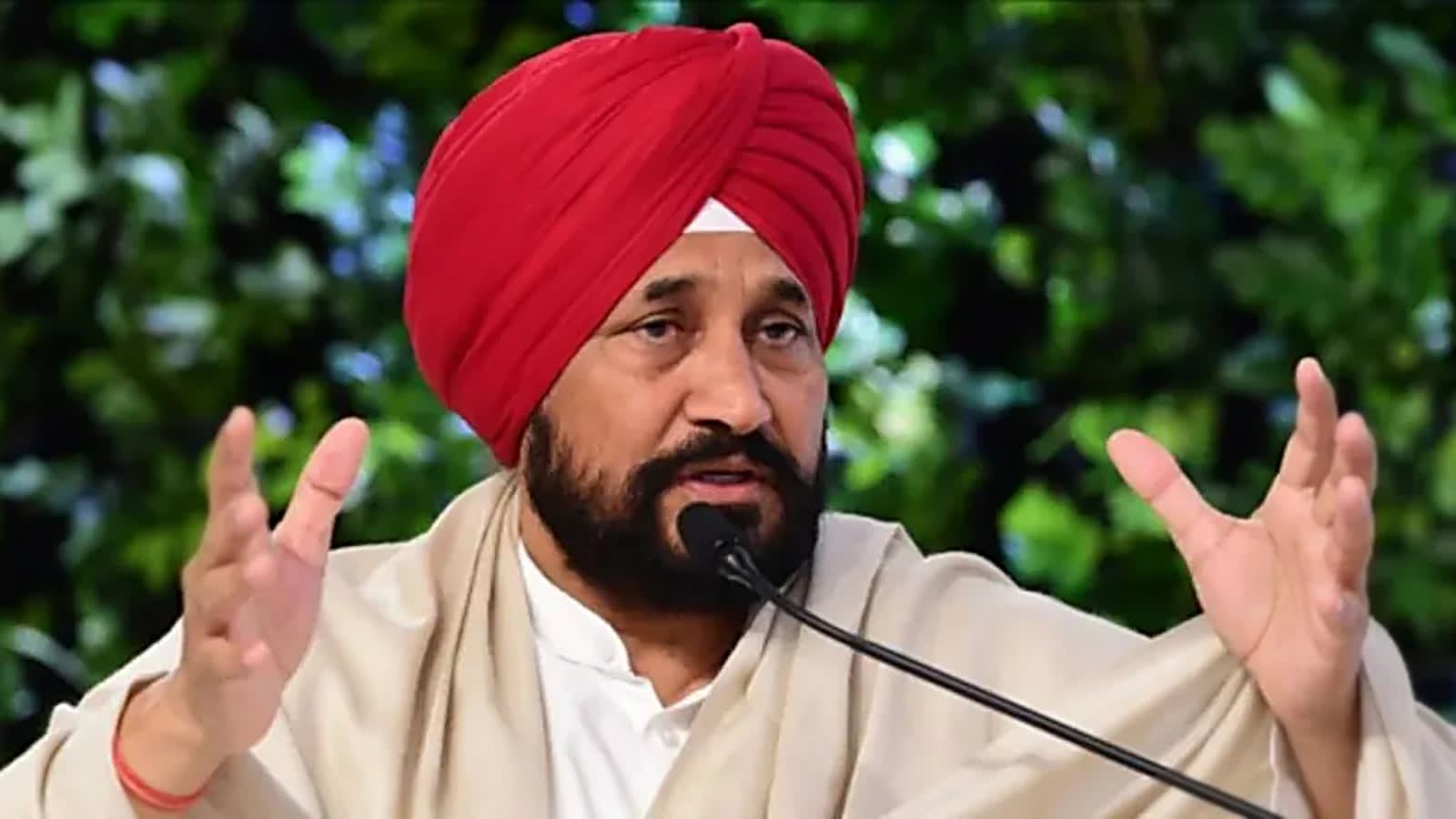
Congress MP Charanjit Singh Channi has challenged SAD leader Sukhbir Badal to clarify his party's stance on a 2004 Akal Takht directive that prohibits ties with the RSS. The controversy highlights the ongoing political tension regarding the historical and religious legitimacy of the SAD-BJP alliance.
The Intersection of Religious Edicts and Political Alliances
The political landscape in Punjab has been ignited by a pointed challenge from Congress MP and former Chief Minister Charanjit Singh Channi, directed at Shiromani Akali Dal (SAD) president Sukhbir Singh Badal. At the heart of this confrontation is the 2004 Hukamnama (edict) issued by the Akal Takht, the supreme temporal authority of the Sikh faith, which specifically instructed the community to sever ties with the Rashtriya Swayamsevak Sangh (RSS) and, by extension, the Bharatiya Janata Party (BJP).
Historical Context of the 2004 Hukamnama
To understand the gravity of Channi’s critique, one must look at the historical friction between Sikh institutions and the ideological framework of the RSS. Issued on July 23, 2004, the Hukamnama represents a significant ecclesiastical intervention in the political conduct of Sikh leaders. By invoking this directive, Channi is not merely criticizing a policy position; he is challenging the religious fidelity of the SAD leadership, questioning whether their political pragmatism has superseded their adherence to the highest seat of Sikh authority.
The Challenge to SAD Leadership
Sukhbir Badal’s response, "What of 1984?" serves as a defensive pivot, attempting to shift the narrative from the current internal religious constraints to the historical grievances held against the Congress party regarding the 1984 anti-Sikh riots. This rhetorical maneuver is a classic example of political deflection, aiming to delegitimize the accuser rather than address the substance of the religious directive. The tension highlights the delicate balancing act the SAD must perform: maintaining a distinct Sikh identity while navigating coalition politics with the BJP.
Broader Political Implications
This debate underscores the unique nature of Punjab's political discourse, where religious mandates and electoral strategies often collide. For the Congress party, highlighting the Akal Takht's stance is a strategic attempt to corner the SAD on grounds of 'Panthic' (community-based) loyalty. Conversely, for the SAD, these questions threaten to alienate their core support base by framing their alliance with the BJP as an act of defiance against a religious edict.
Future Trends and Electoral Fallout
As the political climate in Punjab remains volatile, the invocation of the 2004 Hukamnama is likely to remain a potent weapon for opposition parties. If the SAD continues to maintain its alignment with the BJP, it will likely face persistent pressure to reconcile this political partnership with the spiritual instructions of the Akal Takht. This ongoing friction suggests that religious legitimacy will continue to be a primary battleground in Punjab's electoral arena, potentially forcing political parties to clarify their positions on sensitive historical and religious issues as the political landscape evolves.