‘Tomorrow you will shut temples?’ Vaishnaw attacks TVK govt over Deepam row
Source Entity
SUBHADRA SRIVASTAVA
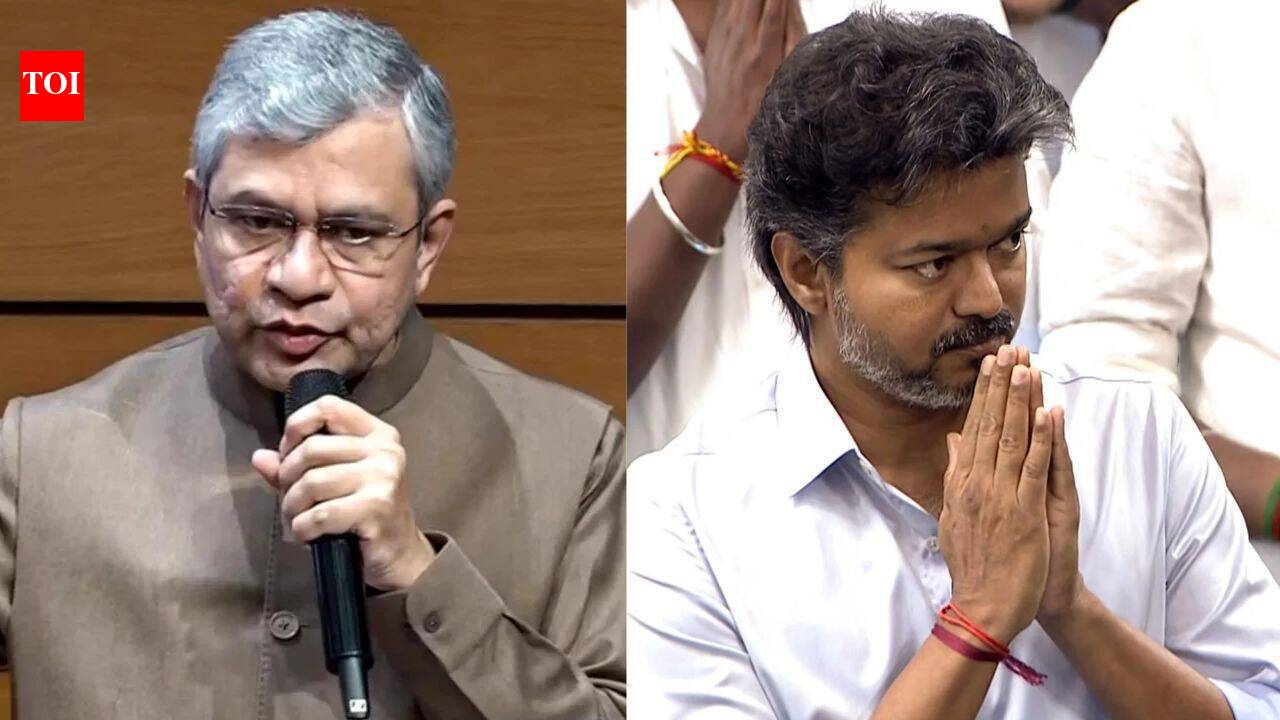
Union Minister Ashwini Vaishnaw has criticized the Tamil Nadu government, led by the TVK, following a controversy surrounding the Deepam festival. The confrontation highlights growing political friction regarding religious governance and state intervention in temple affairs.
The Deepam Dispute: A Clash Over Religious Governance
The recent political confrontation involving Union Minister Ashwini Vaishnaw and the Tamil Nadu government centers on a heated controversy regarding the management and observance of the Deepam festival. Vaishnaw’s pointed inquiry, "Tomorrow you will shut temples?" serves as a sharp indictment of the state's administrative approach toward religious institutions. This rhetoric reflects a deepening divide over the extent to which secular state governments should exercise control or oversight over traditional religious practices and temple festivities.
The Intersection of Secular Policy and Religious Sentiment
At the heart of this dispute is the precarious balance between state authority and religious autonomy. In India, the management of temples by state-run departments has long been a subject of constitutional and political debate. When state authorities intervene in the logistics or symbolic performance of festivals like Deepam, it often triggers accusations of overreach. Vaishnaw’s remarks suggest that such interventions are perceived by critics not as administrative necessity, but as an encroachment upon the fundamental rights of devotees to practice their faith without undue government interference.
Political Polarization in Tamil Nadu
This incident is indicative of the broader political landscape in Tamil Nadu, where the relationship between the ruling party and religious groups remains fraught with tension. By framing the issue as a threat to the existence of temple worship, Vaishnaw is tapping into a wider national narrative that seeks to protect religious traditions from perceived secularist hostility. For the state government, however, the challenge remains managing public order and institutional compliance during massive religious gatherings, a task that often invites scrutiny from political rivals.
Historical Context of State-Temple Relations
Historically, the state’s role in temple administration has been intended to ensure equity, transparency, and the maintenance of heritage sites. However, as political ideologies have shifted, these administrative duties have become flashpoints for ideological warfare. The Deepam row is not an isolated event but a continuation of a historical trajectory where temple management is frequently weaponized by political actors to solidify their base or challenge the legitimacy of their opponents.
Future Implications and Societal Trends
Looking ahead, this trend of politicizing temple affairs is likely to intensify. As political parties increasingly identify their platforms with the protection of cultural and religious identity, disputes over festival management will become common arenas for performance politics. The outcome of such conflicts often depends on judicial intervention or public sentiment, but in the immediate term, they serve to deepen the polarization between state institutions and religious organizations, potentially leading to more frequent legal and public challenges to administrative control over temples.