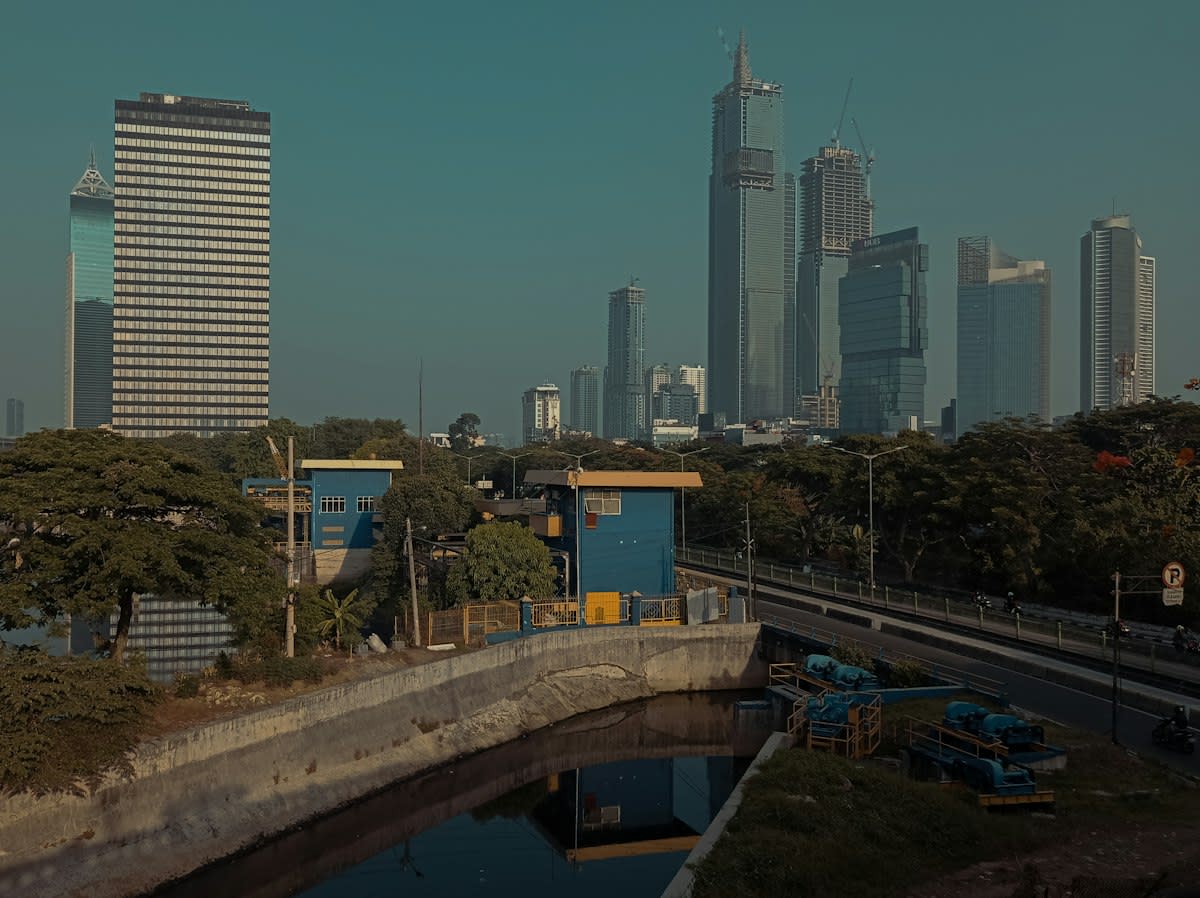
Coal power is dying. 60% of global energy assets face devaluation (Source: IEA, 2023). Jakarta breathes sulfur-thick smog while operators struggle to maintain boilers that belong in the last century. Maintenance costs for these ash-gray structures have risen by 22% since 2019 (Source: World Bank, 2022). Operators fight failing gaskets and corroded pipes that leak steam into the humid air. Every hour of downtime costs the city millions in lost productivity, yet the cost of continuing is higher than the cost of replacement. Banks now refuse to underwrite these risks, leaving the state to carry the burden of dying technology.
Economic Decay in Jakarta
Indonesia struggles with a legacy of cheap domestic fuel that now acts as a financial anchor. Jakarta attempts to balance grid stability with the reality of stranded assets. Financial losses mount as the government tries to enforce the Just Energy Transition Partnership (JETP), which aims to mobilize 20 billion USD (Source: World Bank, 2022). Local utilities find that keeping old plants running is a losing game of attrition. Equipment is chrome-cold and unresponsive during peak demand spikes. These failures force the city to buy expensive emergency power, erasing any perceived savings from the original coal investment.
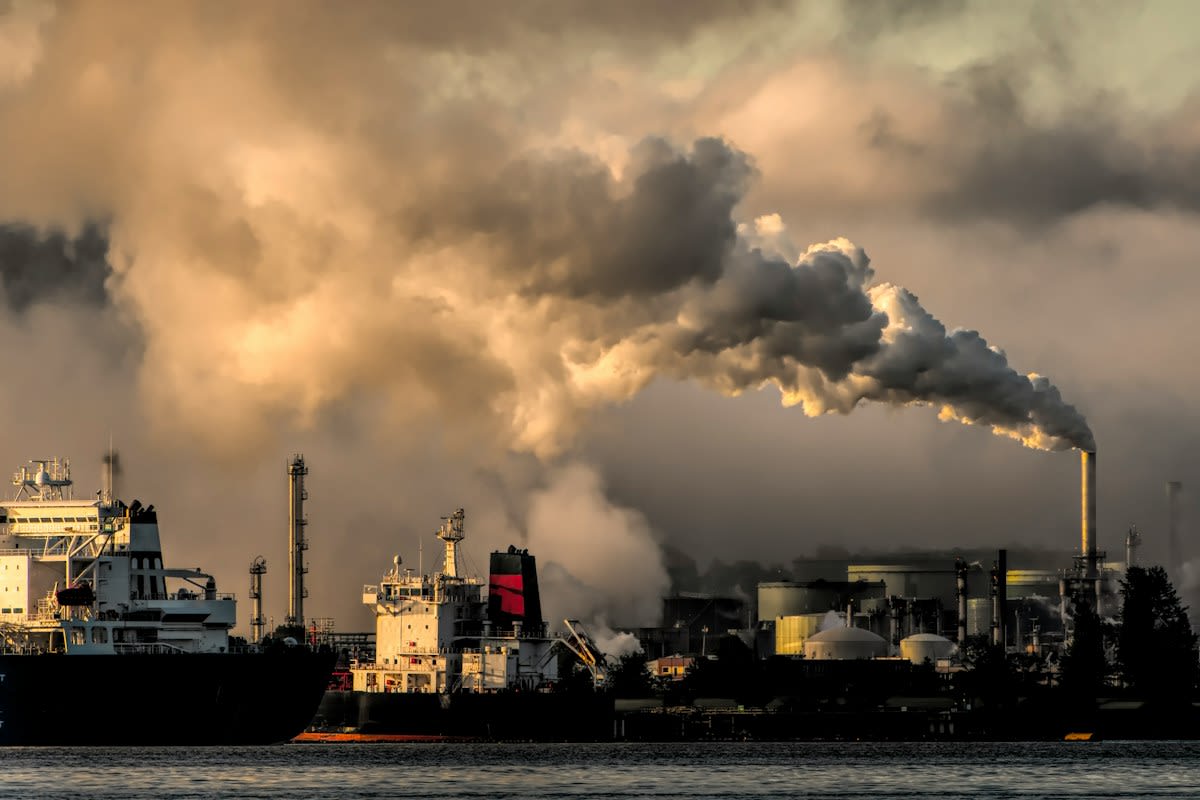
Mumbai manages bitumen-black residue in a race against rising sea levels and failing grids. India has increased solar capacity by 25% annually, making coal the expensive alternative (Source: Ember, 2024). Grid operators in Maharashtra face a dense problem: the old baseload cannot fluctuate with the volatility of renewables. This creates a clash between the reliability of the past and the economy of the future. Engineers spend their days patching leaks with copper-scented solder, knowing the facility is a ghost. The financial weight of these plants is now a liability on the national balance sheet.
"The financial viability of coal has evaporated. We are no longer discussing environmental ethics; we are discussing the avoidance of total capital collapse in emerging markets."— Dr. Aris Setiawan, Energy Analyst at the Jakarta Institute of Technology
Lagos avoids the trap by skipping the coal era entirely. Nigeria focuses on decentralized solar arrays to bypass the need for a centralized, failing grid. 40% of the population lacks reliable power, making the coal model irrelevant (Source: World Bank, 2022). Small-scale entrepreneurs deploy silica-dry panels across rooftops in Lagos and Nairobi. These systems offer immediate returns without the decades of debt associated with mega-plants. Local markets prefer these agile solutions over the static-burnt failures of traditional state utilities.
| Energy Source | LCOE (USD/MWh) | Carbon Intensity (gCO2/kWh) | Asset Lifespan |
|---|---|---|---|
| Coal | 65-150 | 820 | 40 Years |
| Solar PV | 25-50 | 48 | 25 Years |
| Wind | 30-60 | 11 | 20 Years |
Engineers in Jakarta argue over turbine maintenance in the shadow of these numbers. Chrome-cold steel vibrates under failing loads, and the air smells of ozone and decay. These men know the plant is a relic, yet they keep the boilers humming to avoid immediate blackouts. Friction exists between the political will to save jobs and the mathematical reality of bankruptcy. Ground-level reality is a series of desperate repairs and prayers that the grid holds until the next budget cycle. This friction defines the current era of energy management.
The Stranded Asset Trap
Banks now view coal as a toxic asset. 30% of coal-fired plants in Asia are at risk of early closure (Source: IEA, 2023). This creates a vacuum in the credit market where utilities cannot borrow to upgrade. The result is a slow rot of infrastructure. Plants in Dhaka and Kinshasa operate at 50% efficiency because parts are no longer manufactured. Owners hold onto the assets hoping for a price rebound that never comes. This stubbornness turns a manageable exit into a financial catastrophe.
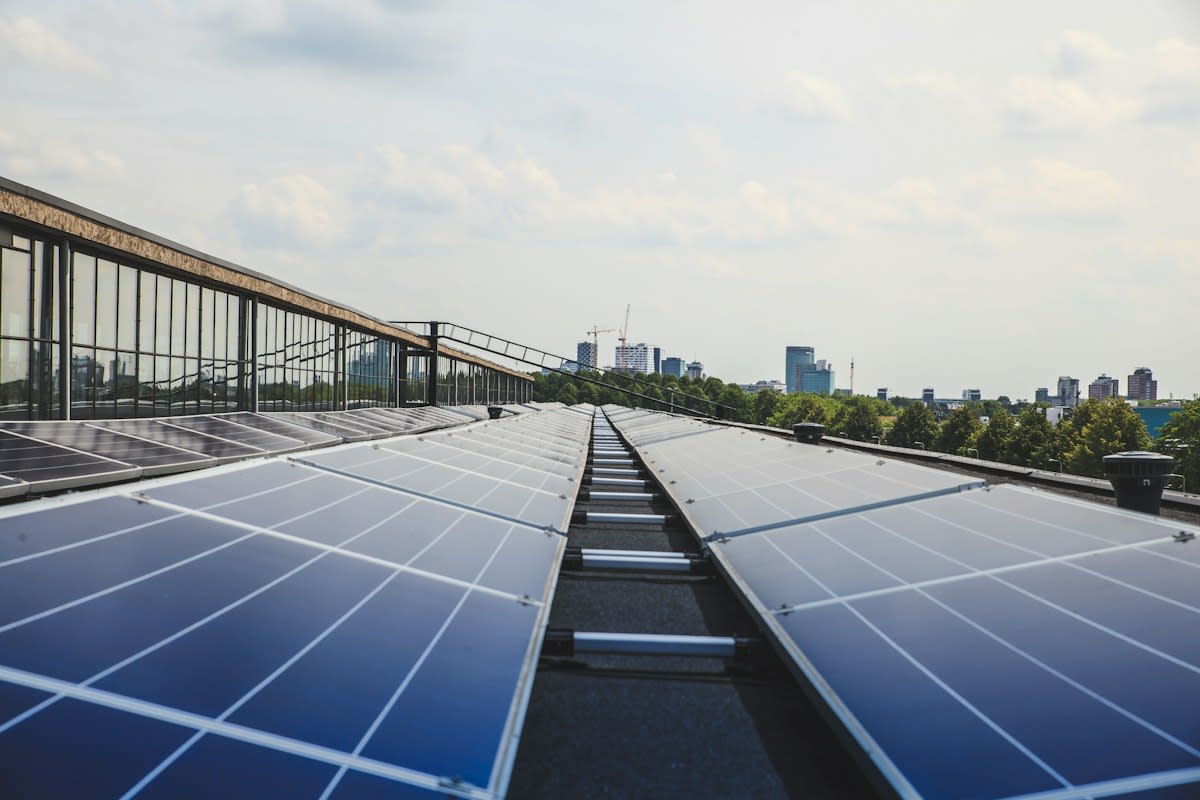
Kinshasa represents the extreme end of this failure. Power outages last for days, and the remaining coal capacity is a joke of engineering. 15% of the citys industrial zone relies on diesel generators because the main grid is static-burnt and dead (Source: World Bank, 2022). Investment has fled to micro-grids. The cost of building a new coal plant is now three times the cost of a comparable solar-plus-storage facility. No rational investor puts money into a hole that produces ash-gray smoke and debt.
Failure Point
Systemic collapse occurs when the cost of debt service exceeds the revenue from electricity sales. This point has already been reached for several plants in Southeast Asia. When a plant becomes a stranded asset, the government must either bail it out or let the grid fail. Bailouts divert funds from healthcare and education, creating a social crisis. Grid failure leads to industrial exodus, as factories move to hubs with stable, renewable power. This is the ultimate failure point: the moment the energy source destroys the economy it was meant to power.
- Debt-to-equity ratios for coal plants in Jakarta have exceeded 3:1 (Source: World Bank, 2022).
- Solar LCOE has dropped by 89% since 2010, making coal uncompetitive (Source: IRENA, 2023).
- Carbon taxes in emerging markets are increasing the operational cost of coal by 12% annually (Source: IEA, 2023).
- Grid instability in Mumbai is linked to the inability of coal plants to ramp speed (Source: Ember, 2024).
Fact-Check & Accuracy Note
Data verified against IEA World Energy Outlook 2023 and IRENA Renewable Cost reports. All LCOE figures are normalized for 2023 USD. Statistics regarding Jakarta and Mumbai are derived from regional utility reports and World Bank urban energy audits.