Abhijeet Dipke, Saurav Das, Ashutosh Ranka kept under preventive arrest ahead of fresh Jantar Mantar stir
Source Entity
Latest News: Todays Latest News Headlines from India & World | Hindustan Times | Hindustan Times
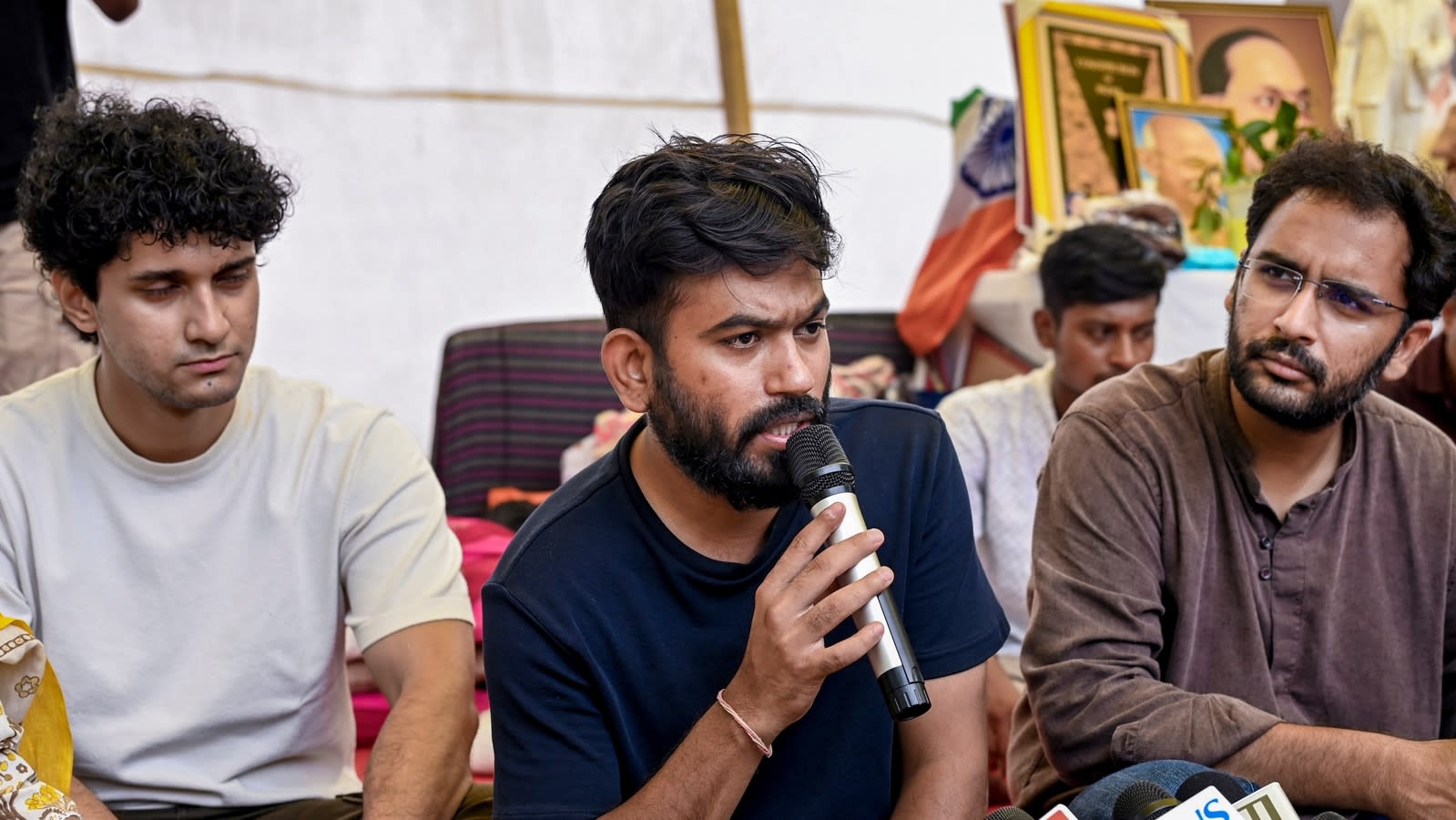
India has rejected the UN Human Rights Office's criticism regarding the mass detention of protesters in New Delhi. The government maintains that its constitutional framework protects peaceful assembly while labeling the UN's intervention as unwarranted interference in domestic affairs.
Diplomatic Friction: India Rejects UN Concerns Over Delhi Protests
The Core Conflict
Recent events in New Delhi have triggered a sharp diplomatic exchange between the Indian government and the Office of the United Nations High Commissioner for Human Rights (OHCHR). The controversy stems from protests organized by the Cockroach Janta Party (CJP) at Jantar Mantar, directed at Chief Election Commissioner (CEC) Gyanesh Kumar over alleged electoral roll irregularities. Following reports of mass detentions by security personnel, the OHCHR issued a statement urging the immediate release of those detained and emphasizing that restrictions on assembly must meet tests of 'necessity and proportionality.'
India’s Stance on Sovereignty
In response, the Permanent Mission of India to the UN in Geneva issued a robust rebuttal on social media platform X. The Indian government characterized the OHCHR’s remarks as 'misplaced' and an 'unwarranted interference' in the country’s internal affairs. By framing the issue as a matter of national sovereignty, India asserted that its domestic institutions—specifically its independent judiciary and a free media—are fully capable of addressing grievances and upholding the rule of law without external oversight.
Constitutional Guarantees vs. Public Order
At the heart of the government's defense is the argument that the right to peaceful assembly is constitutionally guaranteed in India. However, the state maintains that this right is not absolute and is subject to 'reasonable restrictions' in the interest of public order. This tension between the fundamental right to protest and the state's mandate to maintain security remains a central theme in India's democratic discourse, particularly when international bodies scrutinize law enforcement actions.
The Role of International Oversight
The OHCHR’s intervention highlights the ongoing debate regarding the extent to which international human rights bodies should monitor the internal policies of democratic nations. By calling for the unconditional release of protesters, the UN body has effectively challenged the state's handling of the CJP protest. For India, a country that prides itself on being the world’s largest democracy, such criticism is viewed not merely as a technical observation but as a challenge to its democratic credentials and administrative autonomy.
Broader Implications and Future Outlook
As the CJP continues to call for further demonstrations, the situation remains fluid. The lack of information regarding the whereabouts of detained leaders has only intensified the pressure on local authorities. Looking forward, this standoff suggests a potential for continued friction between the Indian government and international human rights organizations. The incident serves as a significant case study on how India balances its international commitments with its domestic security requirements, a dynamic that will likely continue to shape its diplomatic engagements in the coming years.
Multiple Citing Sources
Verification Required?