‘India not funding our detractors’: US lawmaker pitches closer ties with New Delhi
Source Entity
Latest News: Todays Latest News Headlines from India & World | Hindustan Times | Hindustan Times
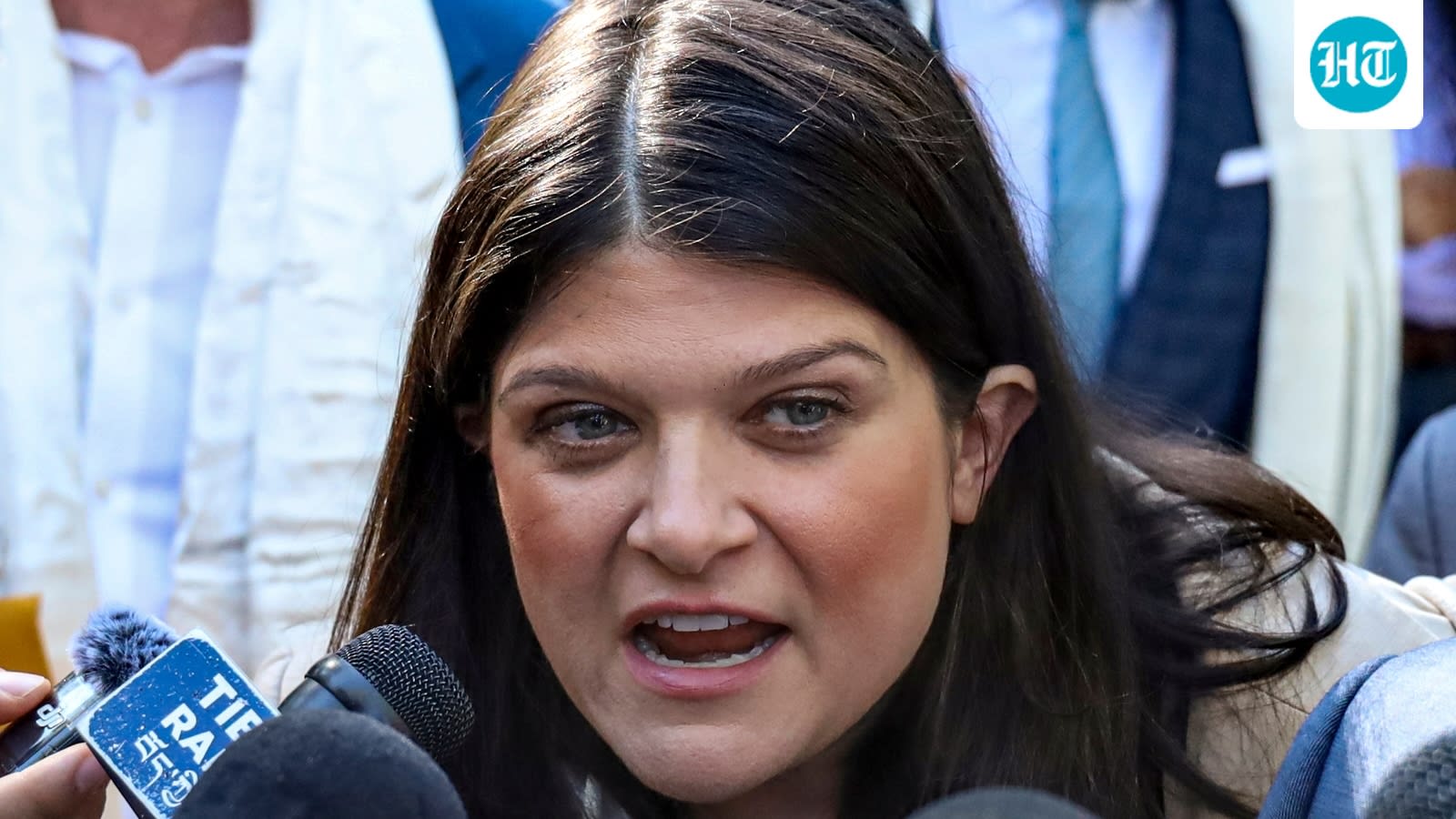
US Representative Haley Stevens has advocated for stronger US-India ties, contrasting India’s democratic alignment with China’s support for rogue regimes. Her remarks follow a bipartisan congressional visit to India and a meeting with the Dalai Lama in Dharamshala.
Strengthening the US-India Strategic Partnership
Following a recent bipartisan congressional delegation visit to India, US Representative Haley Stevens has emerged as a vocal proponent for deepening the strategic and economic ties between Washington and New Delhi. Her assessment centers on the shared values of democracy and free-market capitalism, which she argues position India as a more reliable and natural partner for the United States compared to other global actors.
The Geopolitical Contrast: India vs. China
Central to Representative Stevens’ argument is a clear geopolitical dichotomy. She explicitly contrasted India’s foreign policy stance with that of China, noting that while India does not fund or support Washington's detractors, China is actively "in cahoots" with various rogue regimes globally. This framing underscores a growing bipartisan consensus in Washington that views India as a critical counterweight to Chinese influence in the Indo-Pacific region and beyond.
Bipartisan Diplomacy and the Dharamshala Visit
The context of these remarks is bolstered by the delegation’s recent activities, including a high-profile visit to the Tsuglagkhang Temple complex in McLeod Ganj. By meeting with the Dalai Lama, the delegation sent a symbolic message regarding human rights and democratic values. This visit serves as a tangible manifestation of the "standing alongside democratic partners" philosophy that Stevens advocates, signaling that the US is willing to engage in sensitive diplomatic spaces to reinforce its alliances.
Economic and Democratic Alignment
Stevens emphasized that the United States must prioritize partnerships with nations that share its fundamental economic architecture. By labeling India a "free market trade partner," she highlights the potential for increased bilateral trade and investment. As global supply chains continue to diversify away from China—a process often referred to as "friend-shoring"—India’s role as a democratic, market-oriented hub becomes increasingly vital to American economic security.
Future Implications for Foreign Policy
Looking ahead, the rhetoric employed by lawmakers like Stevens suggests a trajectory toward more integrated defense and economic frameworks. If the US continues to prioritize India as a primary democratic partner, we can expect further initiatives aimed at technology transfer, defense cooperation, and strategic alignment in international forums. This shift represents a long-term recalibration of US foreign policy in Asia, moving away from past hesitations toward a more robust embrace of India as a pivotal global player.
Conclusion
In summary, Representative Haley Stevens’ recent comments reflect a significant shift in the US-India narrative. By framing the relationship through the lens of shared democratic values and contrasting it with the destabilizing influence of adversarial regimes, she is building the political capital necessary for a more profound long-term partnership. The ongoing dialogue between the two nations, underscored by bipartisan visits and high-level meetings, signals an era of closer cooperation that will likely define the geopolitical landscape of the coming decade.
Verification Required?