'BJP's honouring women': Akhilesh shares video of harassment during Delhi crackdown
Source Entity
ABHISHEK MISHRA
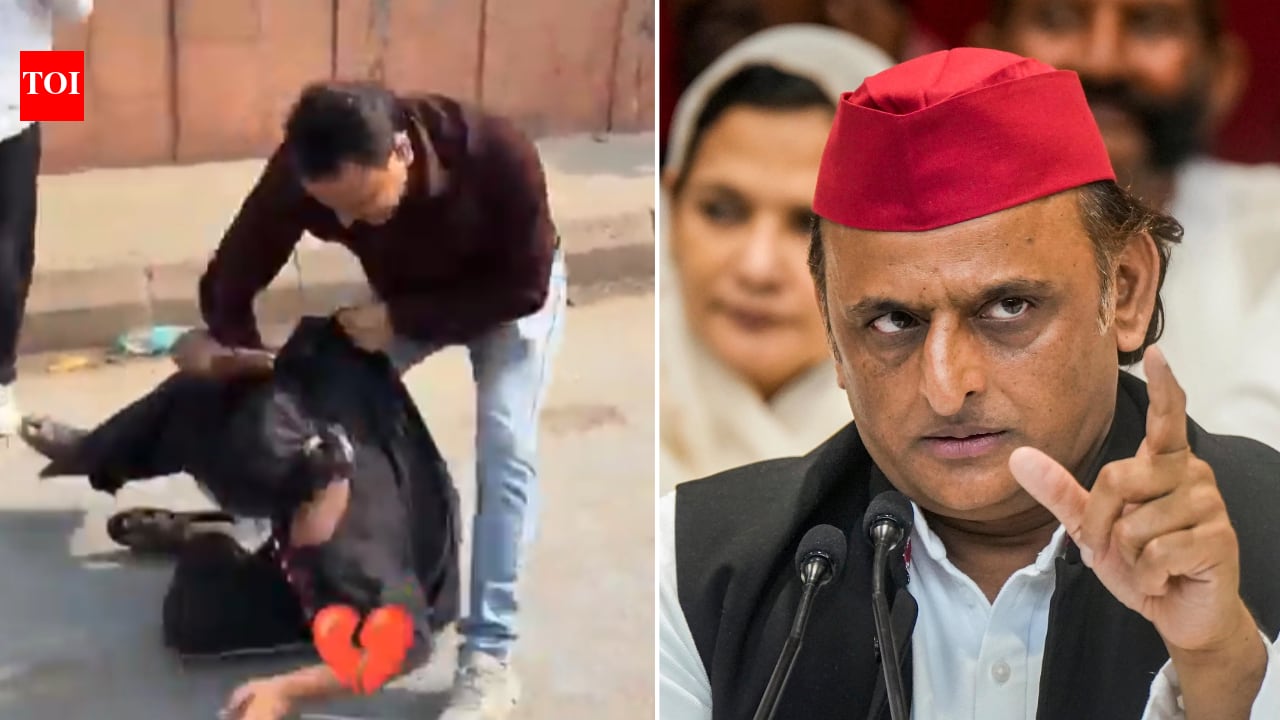
Samajwadi Party leader Akhilesh Yadav has criticized the BJP following reports of harassment during a crackdown in Delhi. The incident has sparked a political debate regarding the treatment of women and government conduct.
Political Friction Over Recent Delhi Crackdown
Recent developments in the political landscape of India have been marked by a sharp exchange between the Samajwadi Party and the Bharatiya Janata Party (BJP). Samajwadi Party leader Akhilesh Yadav has publicly shared video footage depicting instances of harassment during a recent security crackdown in Delhi. This act of sharing has served to amplify the visibility of the incident, framing it as a direct contradiction to the BJP's stated platform of prioritizing the empowerment and safety of women.
The Intersection of Protest and State Action
The incident in Delhi highlights the ongoing tension between law enforcement protocols and the protection of citizens during public demonstrations. When security forces engage in crowd control, the conduct of personnel becomes a focal point for public scrutiny. By highlighting this specific video, Akhilesh Yadav is not only questioning the tactical execution of the crackdown but is also challenging the moral consistency of the ruling party’s messaging regarding gender-based protections.
Contextualizing Political Accountability
In the broader context of Indian politics, the use of visual evidence to critique government actions has become a potent tool for opposition leaders. The sharing of such footage is intended to shift public perception and demand accountability for the conduct of authorities on the ground. This reflects a recurring pattern where incidents of police-civilian confrontation are rapidly integrated into larger national narratives about governance, human rights, and the treatment of vulnerable groups.
The Role of Social Media in Political Discourse
Social media platforms act as catalysts for these political controversies, allowing for the rapid dissemination of footage that might otherwise remain local. By inviting public participation and comment, these digital spaces transform isolated incidents into widespread debates. The engagement generated by these posts underscores the public's sensitivity toward issues of safety and the perceived failures of state machinery to uphold the dignity of individuals.
Implications for Future Governance
This incident is likely to influence future discourse regarding administrative transparency and police reform. As political entities continue to clash over these issues, the pressure on state and central governments to justify their security methods will likely intensify. The focus remains on whether such incidents will lead to substantive policy changes or remain entrenched in the cycle of partisan rhetoric that defines contemporary political competition in India.
Conclusion
The situation underscores a critical juncture in political communication, where digital evidence is leveraged to hold power to account. The ongoing dialogue between the Samajwadi Party and the BJP over the Delhi crackdown illustrates the high stakes of public image and the necessity for state authorities to maintain high standards of conduct during sensitive operations. Moving forward, the impact of these viral critiques will depend on the public's ability to demand systemic improvements over mere political posturing.