When around 200 protesters owned the street in CP for close to an hour
Source Entity
TNN
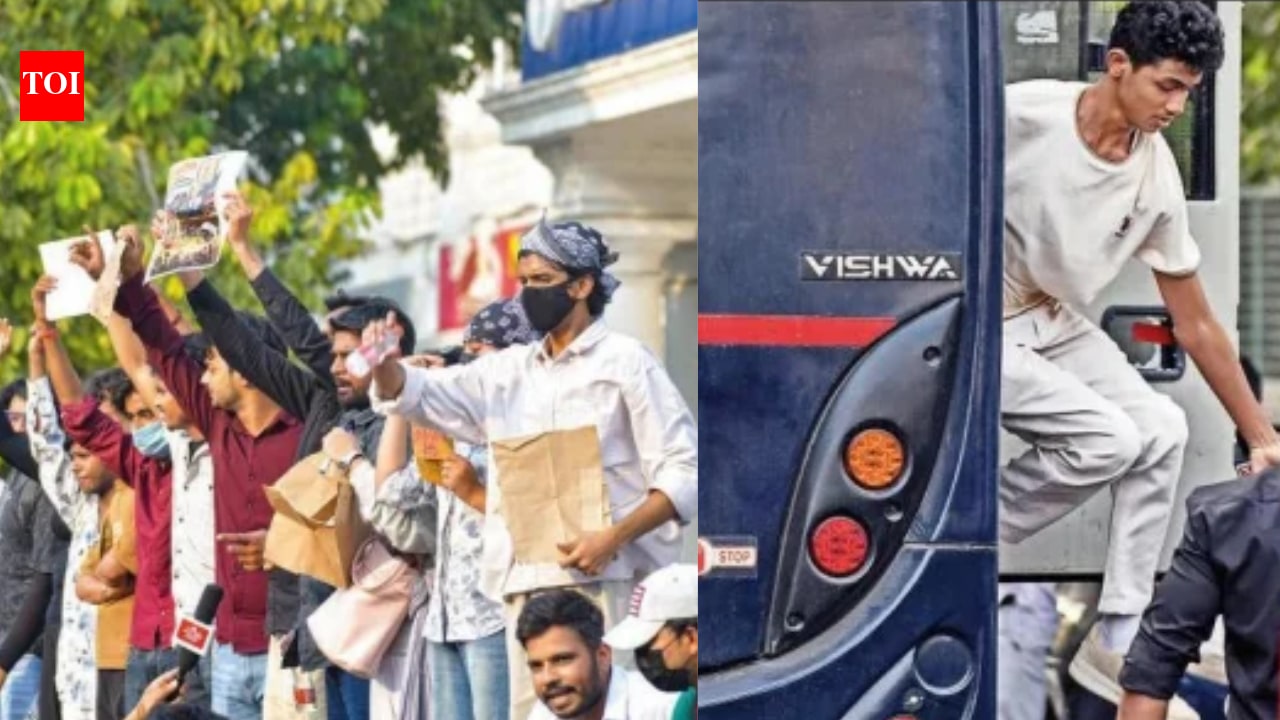
Gautam Budh Nagar and Delhi police have implemented strict security measures, including Section 163 and the detention of 100 individuals, to prevent unrest during a planned protest by the Cockroach Janta Party. Authorities are deploying 35,000 personnel to manage potential disruptions in the capital.
Heightened Security Measures in the National Capital Region
In a coordinated effort to maintain public order, authorities in Gautam Budh Nagar and Delhi have implemented stringent preventive measures ahead of a planned demonstration by the Cockroach Janta Party (CJP) at Jantar Mantar. The Gautam Budh Nagar police have invoked Section 163 of the Bharatiya Nagarik Suraksha Sanhita (BNSS), 2023, imposing 18 specific restrictions that will remain in effect until October 20. These regulations aim to preempt any potential for civil unrest by banning unauthorized processions and gatherings of five or more people in public spaces without prior authorization.
Strategic Restrictions and Public Safety
The directives issued by the Gautam Budh Nagar police are comprehensive, targeting not only the assembly of crowds but also the material conditions that could facilitate violence. The order explicitly prohibits the storage of bricks, stones, and inflammable materials in open areas, while also banning the burning of effigies. These measures reflect a proactive stance by law enforcement to mitigate risks posed by potential anti-social elements who might seek to exploit the protest environment to disturb public peace.
The Delhi Security Framework
The situation in Delhi is marked by an unprecedented mobilization of resources. To address the protest against the Election Commission and CEC Gyanesh Kumar, the Delhi Police have formulated a massive security plan involving the deployment of 35,000 personnel. This deployment is designed to oversee road blockades, manage preventive detentions, and regulate movement across the city. The operational scope is significant, with officials warning that metro services and local market operations may face disruptions to ensure the safety of the general public.
Preventive Detentions and Intelligence Operations
Intelligence-led operations have become a hallmark of the police strategy in the lead-up to the October 10 event. Sources indicate that at least 100 individuals with existing criminal records have been detained across 15 districts in Delhi during overnight operations. Authorities suspect these individuals might have intended to join the CJP-led gathering. These detentions are framed as a preventive measure to neutralize potential instigators before they can reach the designated protest site at Jantar Mantar.
Regulatory Compliance and Denied Permissions
The standoff is further complicated by the administrative denial of protest permissions. Joint Commissioner of Police (New Delhi) Nupur Prasad stated that the request for the Jantar Mantar demonstration was submitted at the last minute and cited non-compliance with conditions established during previous demonstrations. This regulatory hurdle, combined with the massive security presence, underscores the high-stakes environment surrounding the ongoing Election Commission row.
Future Implications and Trends
This series of events highlights a growing trend of heavy-handed administrative and police intervention in response to political demonstrations in the National Capital Region. As authorities prioritize the containment of potential violence over the facilitation of public assembly, the balance between civil liberties and public order continues to shift. The upcoming days will serve as a bellwether for how future protests regarding institutional grievances are managed, with the current reliance on BNSS provisions likely to remain a standard tool for law enforcement in the face of political volatility.
Multiple Citing Sources