YouTuber Dhruv Rathee, Detained From Gurugram Home Amid CJP Protest, Released At Night
Source Entity
NDTV News Search Records Found 1000
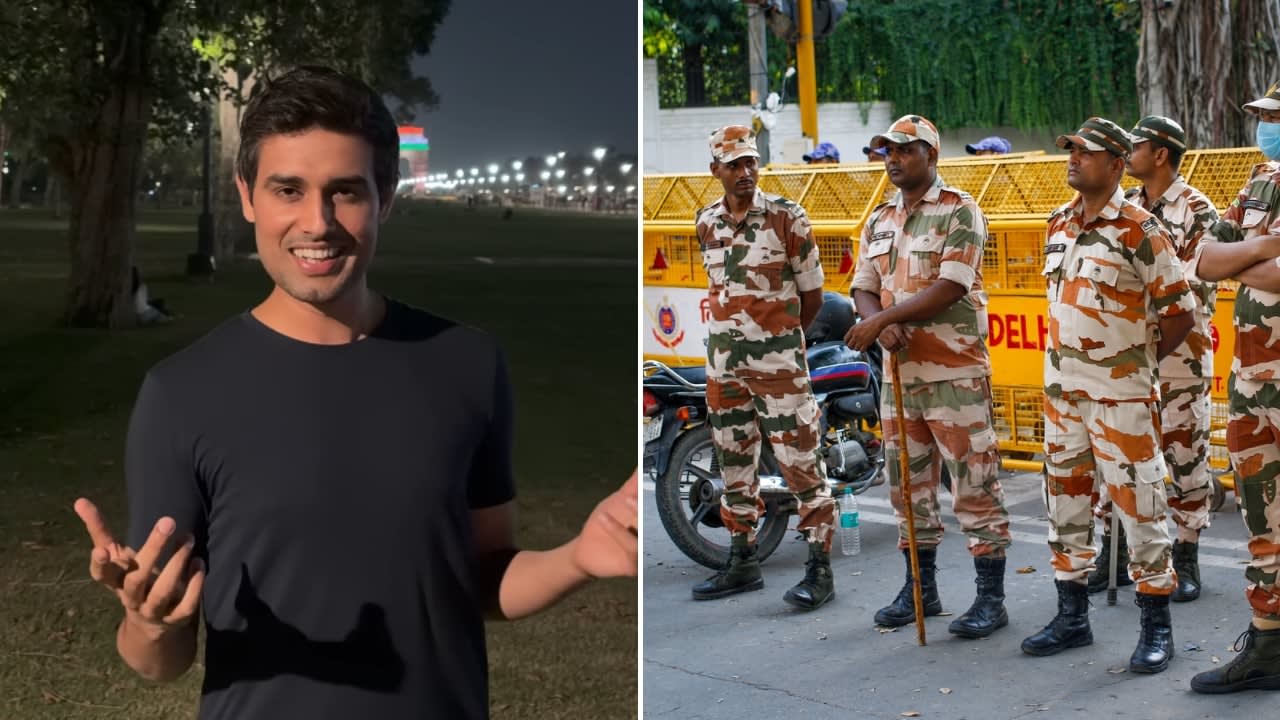
Authorities in Gautam Budh Nagar and Delhi have implemented strict security measures, including Section 163 of the BNSS and mass detentions, to preempt a planned protest by the Cockroach Janta Party. Security forces are on high alert with 35,000 personnel deployed to prevent potential civil unrest.
Security Crackdown: Preventive Measures Ahead of CJP Protest
In a significant move to maintain public order, the Gautam Budh Nagar police have invoked Section 163 of the Bharatiya Nagarik Suraksha Sanhita (BNSS), 2023, imposing stringent restrictions across the region. Effective until October 20, these measures include a blanket ban on unauthorized protests, processions, and the assembly of five or more individuals in public spaces without prior authorization. These actions are a direct response to the heightened security environment surrounding a planned demonstration by the Cockroach Janta Party (CJP) at Jantar Mantar.
The Scope of Restrictions
Beyond restricting public gatherings, the police order explicitly targets the logistical elements often associated with civil unrest. The mandate prohibits the storage of bricks, stones, or any inflammable materials in open spaces, and strictly forbids the burning of effigies. By limiting the availability of materials that could be weaponized during protests, the authorities aim to neutralize the potential for violence, citing the risk posed by anti-social elements who may seek to exploit the political demonstration.
Delhi’s Multi-Tiered Security Strategy
Simultaneously, the Delhi Police have mobilized a massive security apparatus to manage the capital. With a deployment of approximately 35,000 security personnel, the force has implemented a comprehensive plan that includes road blockades, targeted preventive detentions, and movement restrictions. The scale of this operation reflects the sensitivity of the issues at hand, specifically the ongoing controversy involving the Election Commission and Election Commissioner Gyanesh Kumar, which serves as the focal point for the CJP's agitation.
Preventive Detentions and Intelligence Operations
As part of their preemptive strategy, Delhi Police conducted widespread overnight operations across 15 districts, resulting in the detention of at least 100 individuals with existing criminal records. Intelligence sources suggest these individuals were identified as potential participants in the Jantar Mantar protest. By removing these elements from the equation before the protest could materialize, law enforcement is attempting to mitigate the risk of violence and ensure that the demonstration does not spiral into a broader breakdown of law and order.
Regulatory Hurdles and Public Impact
The protest, which was denied formal permission by the Delhi Police, faces significant administrative challenges. Officials, including Joint Commissioner of Police (New Delhi) Nupur Prasad, cited the late nature of the application and non-compliance with previous protest conditions as primary reasons for the denial. Consequently, the public should expect significant disruptions, including localized metro service adjustments and market closures, as the city braces for the impact of these security protocols.
Future Outlook and Implications
These events highlight the increasing friction between political expression and the state's mandate to maintain public stability. The reliance on the BNSS 2023 for such extensive restrictions signals a shift toward more proactive, preemptive policing in the National Capital Region. As the October 20 deadline for these restrictions approaches, the government will likely continue to prioritize stability over the right to assembly, setting a precedent for how future political grievances are managed within the administrative heart of India.
Multiple Citing Sources
Verification Required?