Tushar Gandhi among 12 named in FIR over Mumbai protest; 600 detained and released
Source Entity
India Latest News: Top National Headlines Today & Breaking News | The Hindu
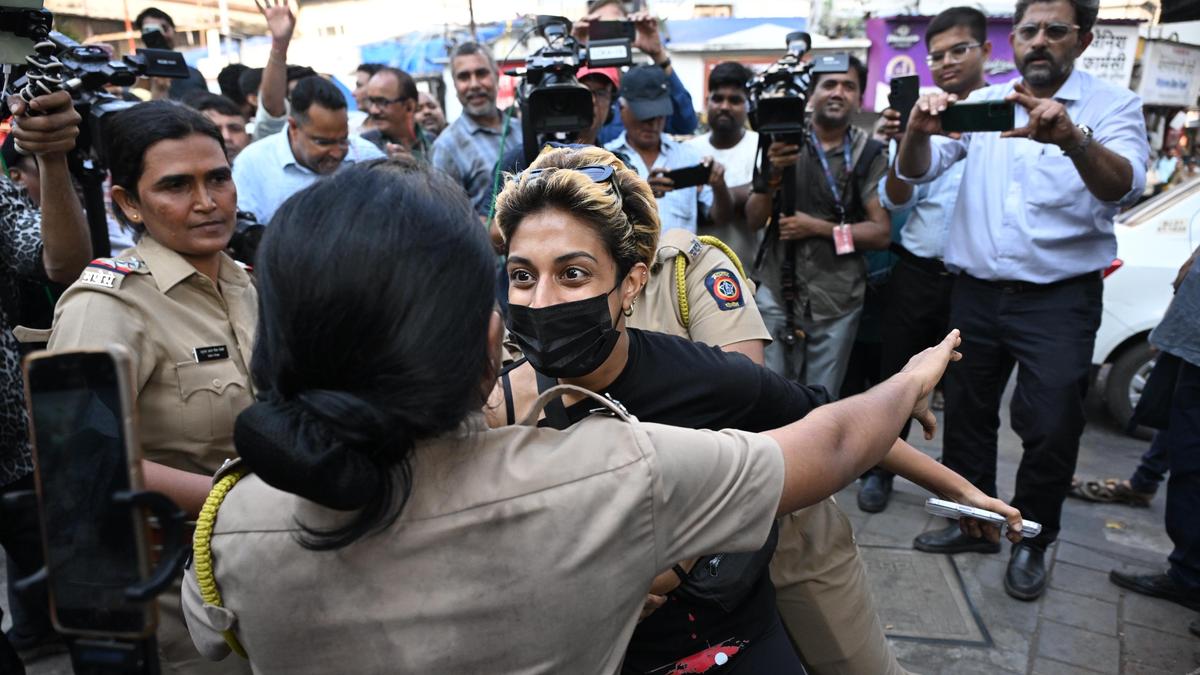
Gautam Budh Nagar and Delhi police have implemented strict security measures, including Section 163 and large-scale detentions, to manage a planned Cockroach Janta Party protest. Over 35,000 personnel are deployed to maintain order as authorities cite potential risks of violence and public disruption.
Security Clampdown Ahead of Jantar Mantar Protest
Authorities in the National Capital Region (NCR) have initiated a high-alert security protocol as the Cockroach Janta Party (CJP) prepares for a demonstration at Jantar Mantar. With the protest centered on grievances regarding the Election Commission, specifically targeting CEC Gyanesh Kumar, the Gautam Budh Nagar police have invoked Section 163 of the Bharatiya Nagarik Suraksha Sanhita (BNSS), 2023. This order, effective through October 20, signals a proactive effort to preemptively neutralize potential civil unrest that police fear could be exploited by anti-social elements.
The Scope of Preventive Restrictions
The restrictions in Gautam Budh Nagar are comprehensive, banning unauthorized public gatherings of five or more people on public roads and intersections. Furthermore, the order explicitly prohibits the storage of materials such as bricks, stones, or flammable substances in open spaces, a measure clearly designed to prevent the escalation of protests into violent confrontations. By requiring prior approval for any public assembly, the police aim to maintain strict oversight of movement during this volatile period.
Large-Scale Security Deployment in Delhi
In the capital, the Delhi Police have mobilized a massive security apparatus involving approximately 35,000 personnel. This deployment is part of a broader strategy that includes strategic road blockades and potential preventive detentions to manage the city's infrastructure during the protests. The scale of this operation underscores the gravity with which the administration views the threat of disruption to public order, as indicated by the anticipated impact on metro services and local market operations.
Preemptive Detentions and Intelligence Operations
In a move to further secure the capital, Delhi Police conducted overnight operations across 15 districts, detaining at least 100 individuals with existing criminal records. Sources suggest that these individuals were suspected of intending to join the CJP-led protest. This tactic of preemptive detention reflects a standard policing strategy used to minimize the risk of organized violence during politically sensitive events, particularly when permission for the protest has been formally denied due to alleged non-compliance with prior demonstration protocols.
Broader Implications and Future Trends
The current situation highlights the ongoing friction between political dissent and public safety mandates in India’s metropolitan hubs. The denial of permission for the Jantar Mantar demonstration, coupled with the heavy-handed security response, suggests a hardening stance by law enforcement regarding last-minute or non-compliant public protests. Moving forward, such measures may become increasingly common as authorities seek to balance the constitutional right to assembly with the logistical necessity of maintaining order in a densely populated, politically active urban center.
Multiple Citing Sources
Verification Required?