'Starlink poses risk to security agencies': Nishikant Dubey responds to Musk's charge
Source Entity
AASTHA JHA
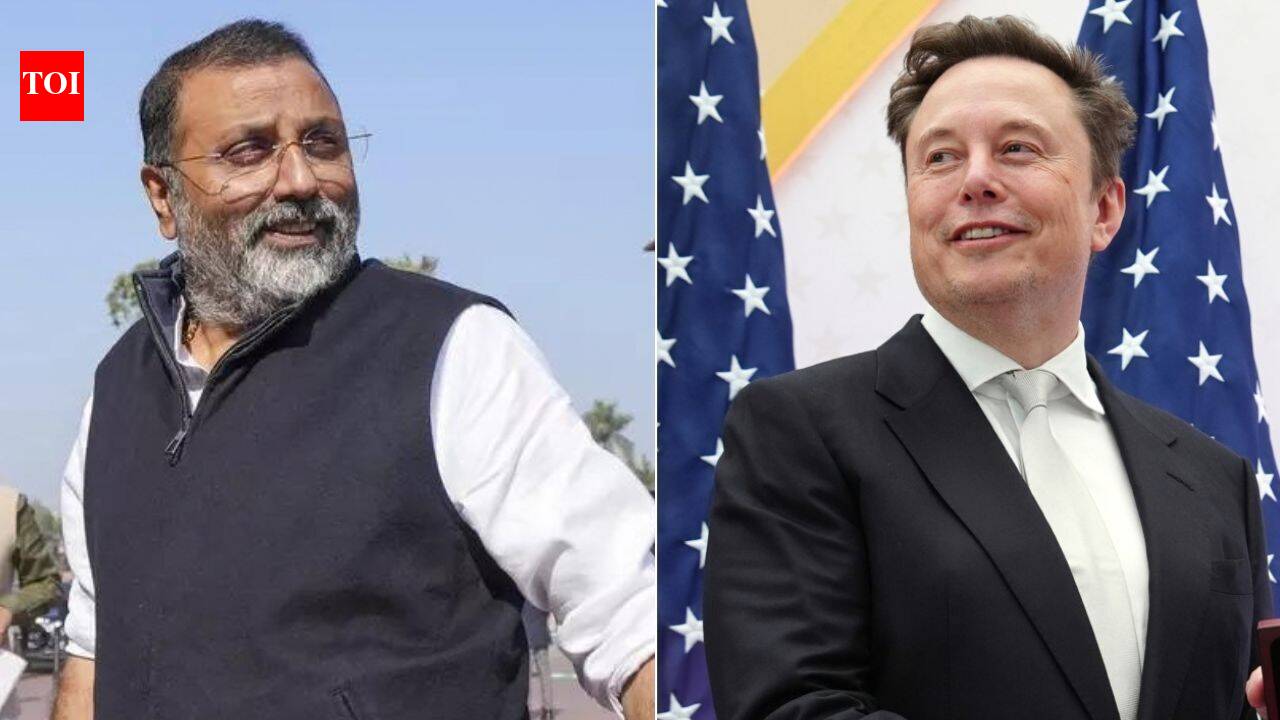
Indian political discourse intensifies as the BJP criticizes Rahul Gandhi's remarks regarding President Murmu, while MP Nishikant Dubey raises security concerns over Starlink. These developments highlight ongoing tensions between the ruling party, the opposition, and foreign technology entities.
Political Tensions and National Security Debates in India
Recent developments in the Indian political landscape have brought two distinct but equally contentious issues to the forefront: the decorum of political discourse regarding the office of the President and the intersection of national security with global satellite communications. The Bharatiya Janata Party (BJP) has launched a sharp critique against Congress leader Rahul Gandhi following his claims that President Droupadi Murmu had allegedly accepted or validated the concept of 'vote chori' (stolen votes). This confrontation underscores the heightened sensitivity surrounding constitutional offices and the often-combative nature of political rhetoric in the world's largest democracy.
The Controversy Over Constitutional Dignity
The BJP's reaction to Rahul Gandhi's statements reflects a broader strategy of defending the sanctity of the Presidency. By accusing Gandhi of making unfounded claims about President Murmu, the ruling party aims to frame the opposition's rhetoric as disrespectful to a constitutional head of state. This narrative is intended to resonate with a electorate that views the President as a neutral, symbolic figurehead. The dispute signifies a deepening divide in parliamentary norms, where personal and political attacks increasingly permeate the discussions surrounding the highest offices of the land.
Starlink and the Sovereignty Challenge
Simultaneously, the geopolitical and technological front has seen a clash between Indian lawmakers and Elon Musk’s satellite internet venture, Starlink. BJP MP Nishikant Dubey has publicly asserted that Starlink poses a significant risk to Indian security agencies. This statement comes in the wake of Musk's own criticisms regarding regulatory processes, marking a friction point between the Indian government’s strict data sovereignty requirements and the operational model of global private tech giants.
Regulatory Hurdles and National Security
The security concerns raised by Dubey are not isolated; they align with India’s broader push to ensure that satellite communication providers adhere to local security protocols. By suggesting that such technologies could bypass traditional oversight, the discourse reflects a cautious approach to integrating foreign-owned satellite constellations into India’s critical infrastructure. This tension suggests that the path for Starlink’s expansion in India will continue to be paved with rigorous vetting and intense scrutiny from security establishments.
Broader Implications and Future Trends
Both the political spat regarding the President and the regulatory standoff with Starlink highlight the multifaceted challenges India faces as it balances democratic expression with national security. As the nation approaches future electoral cycles, it is expected that the intersection of technology policy and political accusations will remain a central theme. The government is likely to maintain a firm stance on both fronts—demanding respect for constitutional figures and ensuring that private satellite operators remain fully compliant with national security mandates. The interplay between these two issues suggests a political climate where both domestic decorum and sovereign digital control remain non-negotiable priorities for the ruling administration.
Multiple Citing Sources