‘We cannot let this become normal’: Neha Bora on Delhi protest crackdown
Source Entity
PRIYANKA JAISWAL
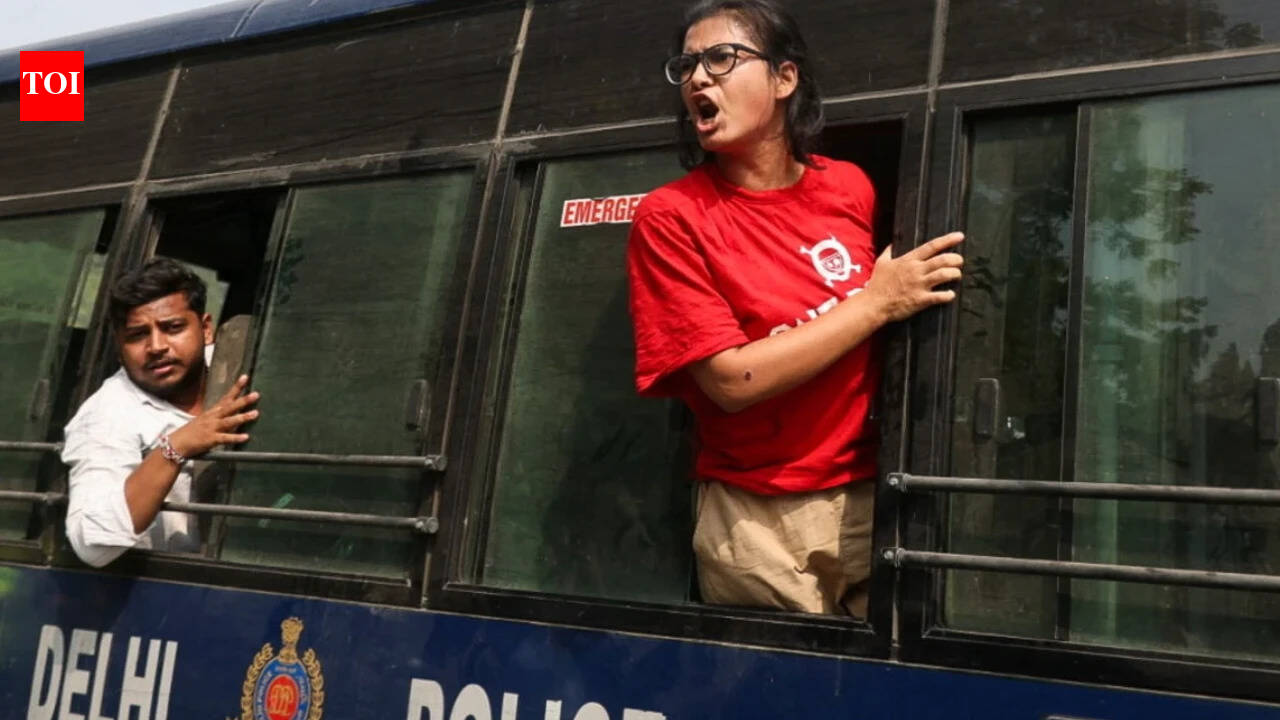
Gautam Budh Nagar and Delhi Police have implemented strict security measures, including Section 163 and mass detentions, ahead of a planned protest by the Cockroach Janta Party (CJP). Over 35,000 security personnel are deployed to maintain order amidst concerns of potential unrest.
Heightened Security Measures in the National Capital Region
In anticipation of a significant protest scheduled for October 10, 2026, at Jantar Mantar, law enforcement agencies in both Delhi and Gautam Budh Nagar have implemented a robust security apparatus. The Gautam Budh Nagar police have invoked Section 163 of the Bharatiya Nagarik Suraksha Sanhita (BNSS), 2023, to impose 18 specific restrictions. These measures, effective for 11 days, include a ban on unauthorized public gatherings of five or more people and strict prohibitions against the storage of materials that could facilitate violence, such as bricks, stones, or flammable substances.
The Strategic Rationale for Preventive Detention
The Delhi Police have adopted a proactive stance, conducting overnight operations across 15 districts to detain at least 100 individuals identified as having prior criminal records. Intelligence reports suggested these individuals were potential participants in the protest organized by the Cockroach Janta Party (CJP). By removing potential agitators from the streets before the event, authorities aim to mitigate the risk of civil disorder and ensure that the political demonstration does not escalate into a public safety crisis.
Operational Scale and Public Impact
The scale of the deployment is unprecedented, with approximately 35,000 security personnel mobilized to secure the capital. This massive force is tasked with managing road blockades, enforcing movement restrictions, and overseeing the Jantar Mantar area. The security plan is not limited to police presence; it includes deliberate disruptions to metro services and the temporary closure of certain market areas, reflecting the gravity with which the administration views the potential for disruption during the CJP-led protest against the Election Commission.
Addressing the Election Commission Controversy
At the core of these tensions is a protest directed at the Election Commission, specifically targeting the roles of SIR and CEC Gyanesh Kumar. The Cockroach Janta Party’s mobilization highlights ongoing friction between political factions and electoral authorities. The police’s refusal to grant official permission for the demonstration, citing last-minute applications and past non-compliance, underscores the breakdown in communication between the organizers and the state machinery.
Implications for Civil Liberty and Public Order
The invocation of Section 163 and the reliance on preventive detention reflect a broader trend of prioritizing public order over the right to assembly when authorities perceive a threat from 'anti-social elements.' By banning the burning of effigies and restricting the movement of people in public spaces, the administration is effectively tightening the perimeter around the democratic process. As the situation develops, the effectiveness of these heavy-handed security measures will be tested against the persistence of the organizers and the public’s response to the widespread logistical disruptions.
Future Outlook
The coming days will likely remain volatile as the October 20 deadline for the current restrictions approaches. The government’s willingness to deploy such significant resources indicates that they expect sustained pressure from the CJP. Stakeholders should anticipate continued traffic disruptions, heavy security presence in the NCR, and potential legal challenges regarding the denial of protest permits, which will likely remain a focal point of the ongoing political debate.
Multiple Citing Sources