‘Going home to be with family as my grandmother has passed away’: Dipke
Source Entity
PRACHI KUMAWAT
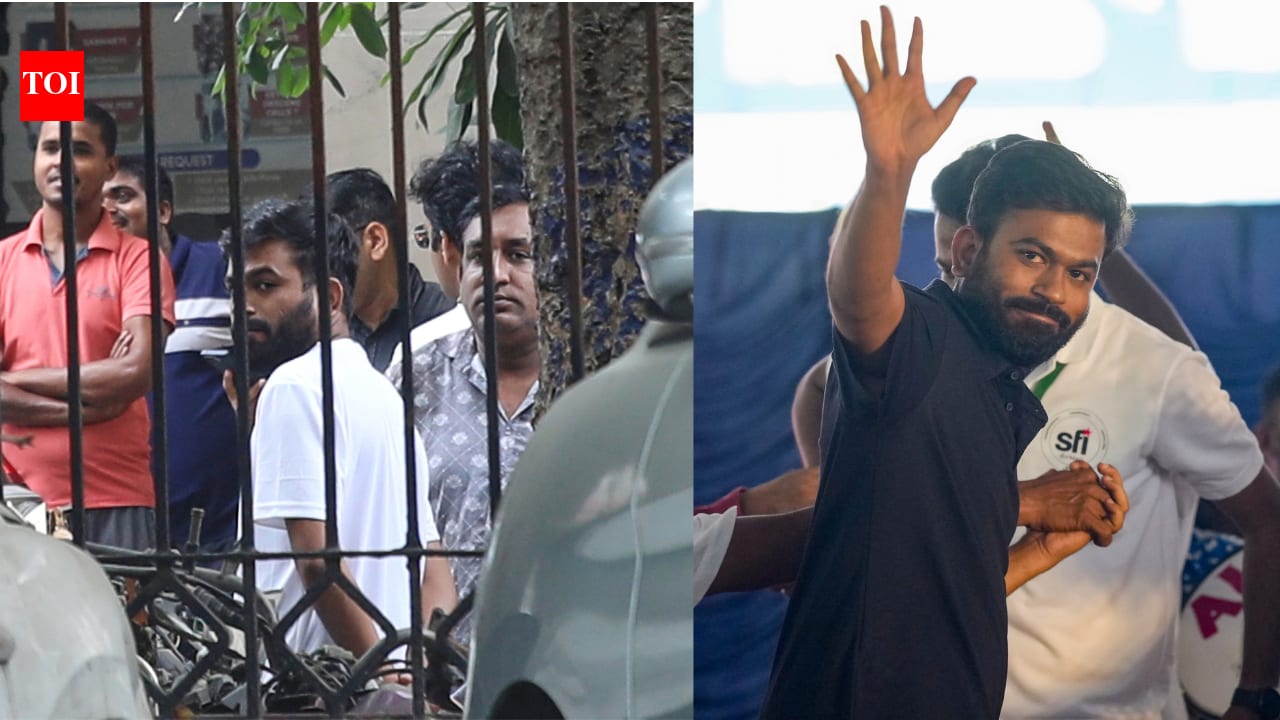
Gautam Budh Nagar and Delhi police have implemented strict security measures, including Section 163 and mass detentions, ahead of a planned Cockroach Janta Party protest. Authorities cite potential public disorder and have deployed 35,000 personnel to manage the capital's security.
Heightened Security Measures in the Capital Region
As the national capital braces for a scheduled protest by the Cockroach Janta Party (CJP) at Jantar Mantar, authorities in both Delhi and the neighboring Gautam Budh Nagar district have initiated a robust security apparatus. The primary impetus for these measures is the mitigation of potential civil unrest stemming from an ongoing row involving the Election Commission, specifically targeting SIR and CEC Gyanesh Kumar. The scale of the response, involving 35,000 security personnel, underscores the gravity with which law enforcement agencies are viewing the threat to public order.
Legal Framework and Restrictions
The Gautam Budh Nagar police commissionerate has invoked Section 163 of the Bharatiya Nagarik Suraksha Sanhita (BNSS), 2023, to enforce a series of stringent prohibitions effective through October 20. These restrictions include a ban on unauthorized public gatherings of five or more people, the prohibition of effigy burning, and the strict regulation of materials like bricks or inflammable substances in open spaces. By mandating prior authorization for any public movement or assembly, the administration aims to preemptively neutralize the logistical capabilities of potential agitators.
Preventive Policing and Targeted Detentions
In a clear shift toward proactive rather than reactive policing, Delhi authorities have conducted extensive overnight operations across 15 districts. Reports confirm that at least 100 individuals with existing criminal records have been taken into preventive custody. These actions are specifically designed to isolate anti-social elements who might exploit the CJP-led demonstration to incite violence or disturb the peace. The refusal of permission for the Jantar Mantar protest, predicated on previous non-compliance issues, reflects a hardening stance against last-minute protest applications.
Broader Implications for Public Mobility
The security plan is not limited to law enforcement presence alone; it carries significant consequences for the daily life of residents. The deployment of 35,000 personnel will necessitate substantial road blockades and movement restrictions across the city. Consequently, citizens should anticipate disruptions to public transit, including potential metro service adjustments and the closure of key commercial markets. These measures, while disruptive, are framed by officials as essential to maintaining public safety in a high-tension political climate.
Future Trends and Political Stability
The current situation highlights an increasingly rigid approach to managing political dissent in the National Capital Region. By combining legislative tools like the BNSS with mass preventive detentions, the state is signaling a low tolerance for unauthorized demonstrations that threaten to escalate into large-scale civil disorder. Future protest movements will likely face similar administrative hurdles and heightened scrutiny, as the precedent set by these October 2026 operations suggests a permanent shift toward restrictive, security-heavy management of public spaces during periods of political volatility.
Multiple Citing Sources