How Trump’s Medicaid cuts will affect legal immigrants in US; all you need to know
Source Entity
Latest News: Todays Latest News Headlines from India & World | Hindustan Times | Hindustan Times
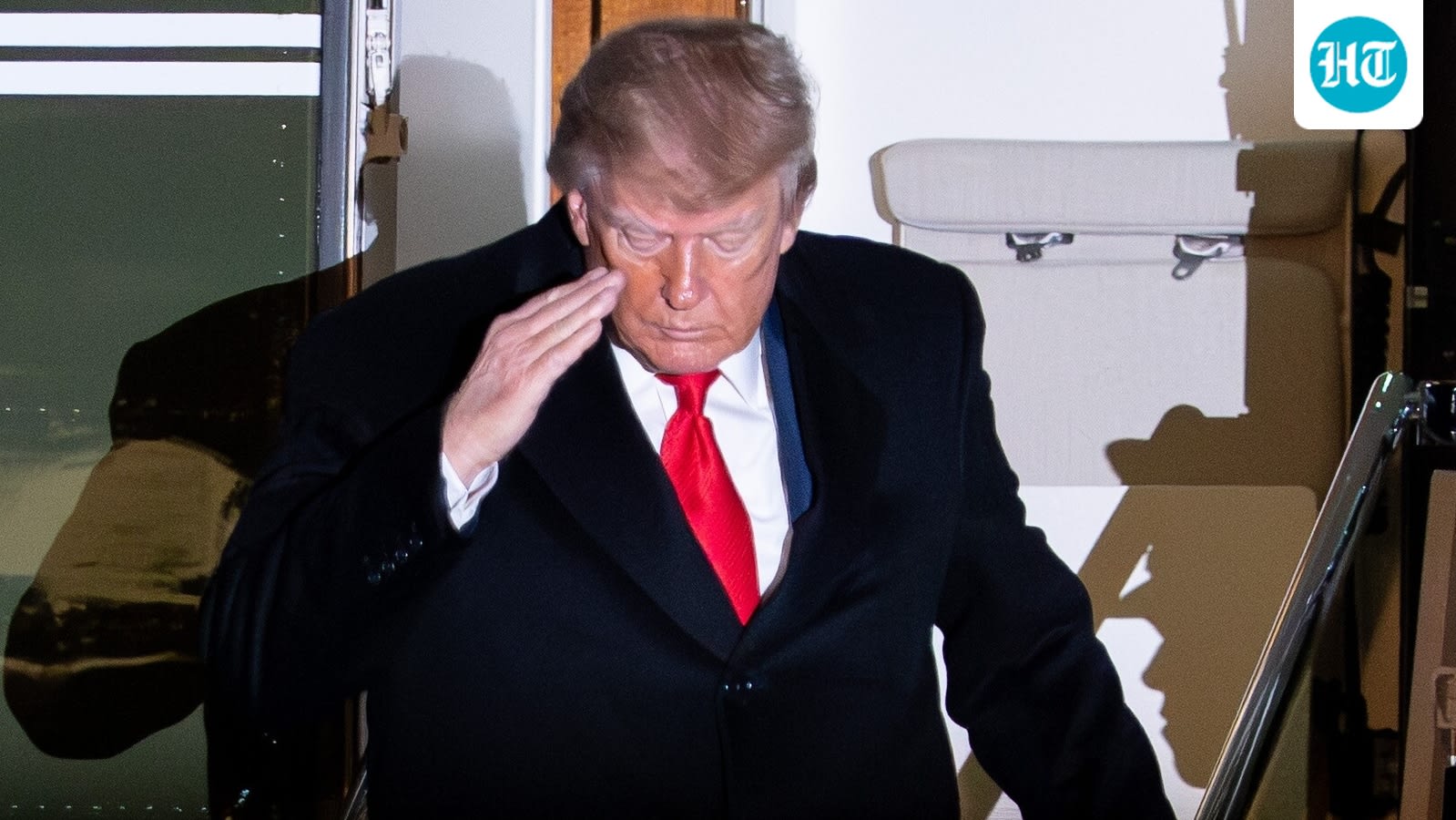
New Medicaid restrictions enacted under President Trump's 2025 policy law have revoked health coverage for over 281,000 legal immigrants. The policy impacts refugees, asylum seekers, and victims of trafficking, sparking significant concerns regarding medical access and long-term healthcare costs.
The Impact of 2025 Medicaid Restrictions on Legal Immigrants
Overview of the Policy Shift
On October 1, 2025, the Trump administration implemented significant changes to Medicaid eligibility, a move codified under the broader 2025 tax and policy law. This regulatory shift has fundamentally altered the healthcare landscape for hundreds of thousands of legal immigrants residing in the United States. By narrowing the criteria for federal assistance, the administration has effectively removed access to essential medical services for several vulnerable populations, marking a departure from previous coverage standards.
Affected Demographic Groups
The scope of these restrictions is targeted at specific immigration statuses rather than the entire immigrant population. Notably, the policy impacts refugees, asylum seekers, and individuals who have been granted protection as victims of human trafficking and domestic violence. It is important to clarify that, based on the current policy framework, green-card holders remain unaffected by these particular eligibility changes, maintaining their existing access to Medicaid benefits.
Scale and Geographic Reach
Data reporting indicates that the impact is substantial, with over 281,000 individuals across nine states losing their coverage. This rapid reduction in enrollment suggests a significant strain on the social safety net within these jurisdictions. The sudden loss of coverage for such a large cohort of people highlights the logistical and human impact of federal policy changes when they intersect with state-level healthcare administration.
Broader Implications for Public Health
Medical experts and policy advocates have raised alarms regarding the long-term consequences of this policy. By restricting access to care for refugees and survivors of violence, the administration faces criticism that it may inadvertently increase public health costs. When vulnerable populations are denied preventative care, they are more likely to seek treatment in emergency rooms, which often results in higher uncompensated care costs for hospitals and taxpayers alike.
The Intersection of Tax Law and Healthcare
These Medicaid changes are inextricably linked to the 2025 tax and policy law championed by President Trump. This suggests that the administration is viewing healthcare eligibility as a component of broader fiscal reform. By tightening the requirements for federal programs, the government aims to restructure its budgetary commitments, though the trade-off involves reducing the social support systems previously available to those transitioning into American society.
Future Outlook and Conclusion
As the policy settles, the focus will likely shift to how individual states manage the administrative transition and how healthcare providers adapt to the loss of coverage for these patients. The situation remains fluid, and the long-term effects on the health outcomes of these immigrant communities will be a critical metric for policymakers. Ultimately, the 2025 Medicaid cuts represent a significant shift in the nation’s approach to immigrant health access, reflecting the administration's stated goals for fiscal austerity and policy realignment.
Verification Required?