Opinion: Bangla Sahib Gurdwara Becomes New Battleground Ahead Of Punjab Polls
Source Entity
NDTV News Search Records Found 1000
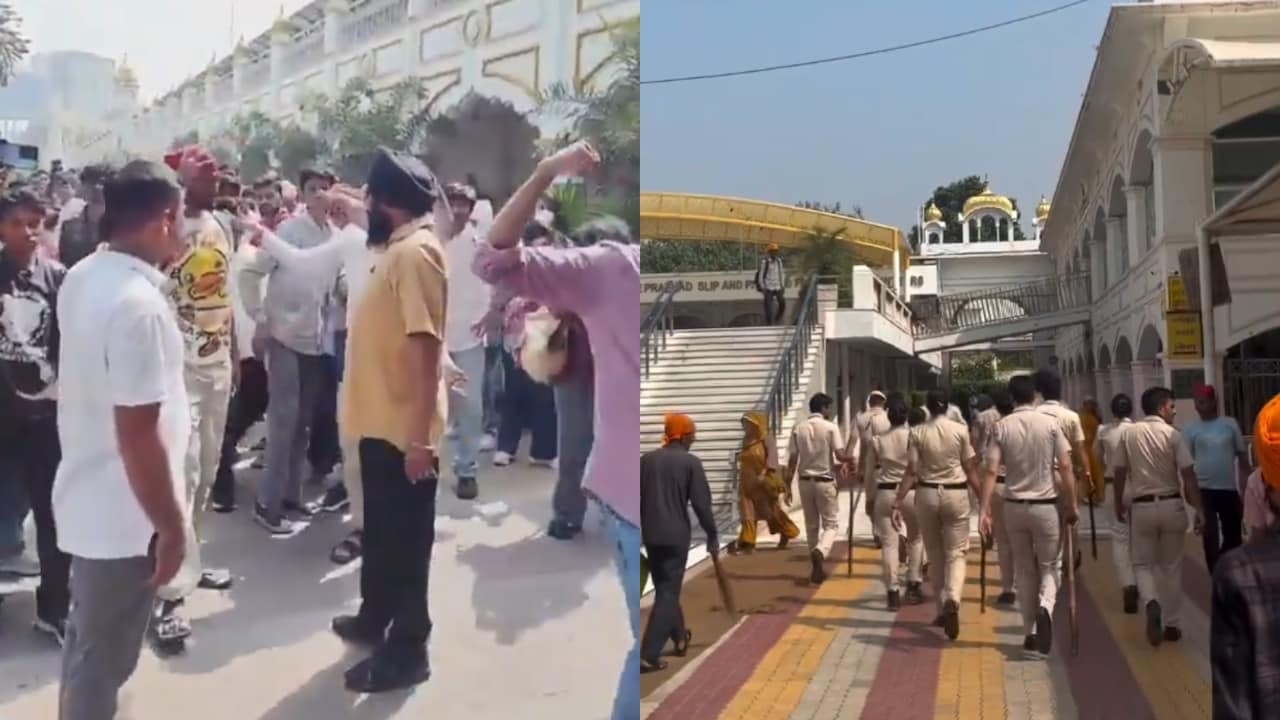
Tensions escalated at Delhi's Gurdwara Bangla Sahib following a political protest that led to an FIR and concerns over the sanctity of religious spaces. A group of prominent citizens has called for an independent inquiry into the police response during the demonstration.
The Intersection of Faith and Political Protest
The recent events at Gurdwara Bangla Sahib in New Delhi have ignited a significant debate regarding the boundaries of political activism and the sanctity of religious institutions. The conflict emerged when supporters of the 'Cockroach Janta Party' staged a demonstration near the gurdwara, demanding the resignation of Election Commissioner Gyanesh Kumar. This protest, which coincided with grievances over the Special Intensive Revision (SIR) of electoral rolls, quickly escalated into a controversy that transcended the original political objective, drawing in the Delhi Sikh Gurdwara Management Committee (DSGMC) and the Delhi Police.
The DSGMC Complaint and Allegations of Sacrilege
The DSGMC has taken a firm stance against the protesters, filing an FIR alleging that individuals linked to the Aam Aadmi Party (AAP) violated the sanctity of the 'Guru Ghar' by raising slogans inside the premises. The committee’s leadership, including president Harmeet Singh Kalka, underscored that while the gurdwara is a public space, it is not a venue for political agitation. The core of this complaint rests on the belief that religious sites must remain neutral ground, protected from the volatility of electoral politics, particularly as tensions rise ahead of upcoming Punjab polls.
Institutional Response and Public Scrutiny
The situation grew more complex following the intervention of the Delhi Police, who detained protesters during the demonstration. This action triggered a sharp reaction from a coalition known as 'Citizens for Fraternity - Bharat' (CFF-Bharat). In a formal letter addressed to the Lieutenant Governor of Delhi and the Police Commissioner, seventeen prominent citizens—including former Delhi Lieutenant Governor Najeeb Jung and former Chief Election Commissioner S.Y. Quraishi—called for an independent, time-bound inquiry into the police's entry into the gurdwara.
Broader Implications for Public Trust
The signatories to the letter, which also includes former Patna High Court Chief Justice Iqbal Ahmed Ansari, have raised a critical question regarding the use of police force within places of worship. They argue that such operations, even when aimed at maintaining order during protests, risk eroding public trust and undermining the protected status of religious sites. The letter highlights a growing concern that the encroachment of state machinery into sacred spaces could set a dangerous precedent for future demonstrations.
Historical Context and Future Trends
Historically, the intersection of political dissent and religious sites has always been a sensitive area in Indian democracy. When political parties utilize high-profile religious landmarks to capture media attention, they often face backlash from community management bodies. As the political landscape in Delhi and Punjab remains highly charged, the incident at Bangla Sahib serves as a bellwether for how authorities and religious organizations might interact in the coming months. The demand for an independent inquiry suggests that the discourse is no longer just about the protest itself, but about the protocols governing police conduct in sensitive environments.
Conclusion: Navigating Democratic Expression
In summary, the protest at Gurdwara Bangla Sahib has evolved into a multifaceted crisis involving allegations of sacrilege, questions of police conduct, and demands for institutional accountability. The incident underscores the fragility of maintaining neutrality in religious spaces during intense political cycles. Moving forward, the outcome of the requested inquiry will likely establish a framework for how future political demonstrations are managed in proximity to, or within, sensitive cultural and religious landmarks in the capital.
Verification Required?