SIR needed every five years to check influx: Assam CM
Source Entity
India Latest News: Top National Headlines Today & Breaking News | The Hindu
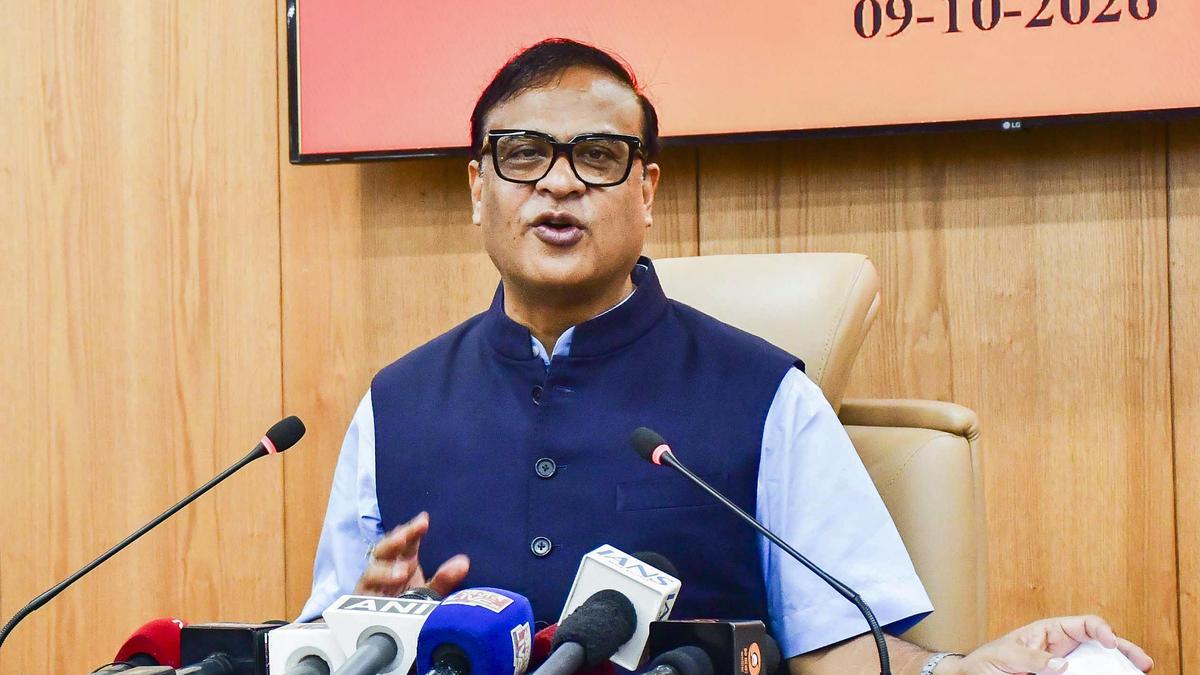
Assam CM Himanta Biswa Sarma has called for a Special Intensive Revision (SIR) of electoral rolls every five years to curb the infiltration of foreign nationals. He links this demographic concern to electoral integrity in Assam, West Bengal, Jharkhand, and Bihar.
The Call for Electoral Reform and Demographic Security
Assam Chief Minister Himanta Biswa Sarma has ignited a significant political discourse by advocating for the implementation of a Special Intensive Revision (SIR) of electoral rolls on a quinquennial basis. Speaking on October 12, 2026, the Chief Minister framed this administrative measure as a critical safeguard for the survival and success of Indian democracy. By proposing a systematic review every five years, Sarma aims to create a robust mechanism to identify and prevent the alleged infiltration of Bangladeshi nationals into the Indian electoral system.
Analyzing the Demographic Argument
At the heart of Sarma’s argument is the assertion of a "demographic invasion" currently affecting four key eastern states: Assam, West Bengal, Jharkhand, and Bihar. The Chief Minister contends that these regions are experiencing shifts in population composition that necessitate urgent government intervention. By connecting these demographic shifts to the integrity of the electoral process, Sarma posits that the current pace of roll revision is insufficient to keep up with the rapid changes in population dynamics, thereby threatening the sanctity of the voter base in these border-adjacent states.
Historical Precedents and Political Context
Sarma’s reference to former Union Home Minister Indrajit Gupta underscores the historical weight of this issue, as concerns regarding illegal migration and its impact on electoral rolls have been a recurring theme in India’s internal security discourse for decades. This historical context serves to bolster his argument that the state must remain vigilant against the erosion of its voter integrity. By invoking these past administrative concerns, the Chief Minister seeks to legitimize his current policy proposal as a continuation of long-standing national security priorities.
Tensions with the Election Commission and Opposition
The proposal arrives amidst a climate of heightened political tension, specifically regarding the functioning of the Election Commission of India (ECI). The Chief Minister’s remarks were delivered against the backdrop of protests calling for the resignation of Chief Election Commissioner Gyanesh Kumar. By publicly criticizing Congress leader Rahul Gandhi and warning against attempts to "blackmail" constitutional bodies like the ECI and the Supreme Court, Sarma has positioned the demand for SIR as a defense of institutional autonomy against political pressure.
Broader Implications for Indian Democracy
If implemented, a mandatory SIR every five years would represent a major shift in how the ECI manages electoral rolls. It would likely require significant logistical coordination and a reallocation of resources to ensure that the process is both transparent and effective. Proponents argue this would ensure that only legitimate citizens participate in the democratic process, while critics may raise concerns regarding the potential for exclusion or the administrative burden such a frequent, intensive audit would place on the existing electoral infrastructure.
Conclusion
Ultimately, the call for a five-year SIR cycle is an attempt to align administrative procedures with the evolving security challenges cited by the Assam government. As the debate continues, the focus will remain on whether such measures can effectively address concerns regarding demographic shifts without compromising the inclusive nature of the Indian electoral system. The proposal remains a pivotal flashpoint in the ongoing national debate over border security, migration, and the future of electoral governance.
Verification Required?