Abhijeet Dipke, 2 CJP Leaders Under Preventive Arrest Before Day 2 Of Protest
Source Entity
NDTV News Search Records Found 1000
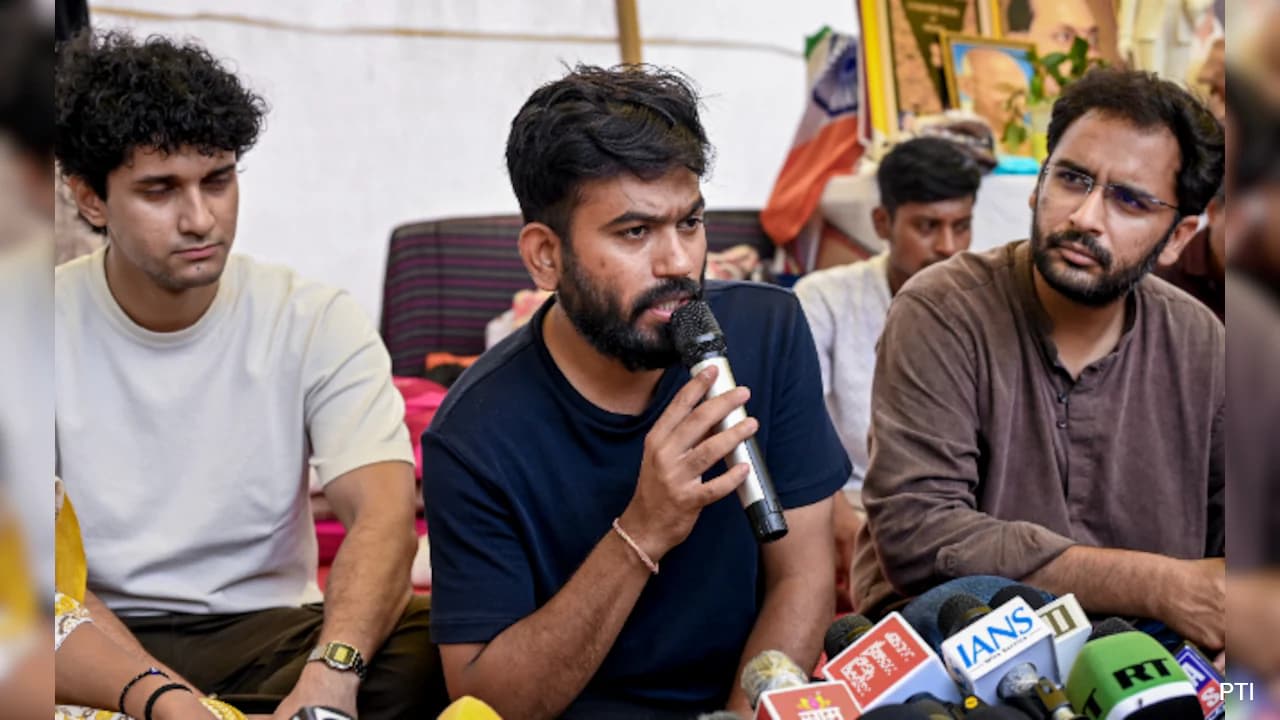
Authorities in Gautam Budh Nagar and Delhi have implemented strict security measures, including Section 163 of the BNSS and preventive detentions, ahead of a planned Cockroach Janta Party (CJP) protest. Over 35,000 security personnel are being deployed to manage potential unrest and maintain public order.
Heightened Security Measures in the National Capital Region
In anticipation of a protest organized by the Cockroach Janta Party (CJP) at Jantar Mantar, authorities in both Delhi and the neighboring district of Gautam Budh Nagar have implemented stringent security protocols. The measures are designed to mitigate the risk of civil unrest and ensure public safety during a period of heightened political tension surrounding an ongoing Election Commission row involving CEC Gyanesh Kumar.
Strategic Restrictions Under BNSS
The Gautam Budh Nagar police have invoked Section 163 of the Bharatiya Nagarik Suraksha Sanhita (BNSS), 2023, to impose a wide-reaching prohibitory order. Effective for 11 days starting October 10, this order explicitly bans unauthorized public gatherings of five or more people on public roads and intersections. Beyond mere assembly, the directive prohibits the storage of potentially dangerous materials—such as bricks, stones, and flammable substances—in open spaces, signaling a proactive stance against potential agitators who might use such items for violent acts.
Massive Deployment and Preventive Operations
Delhi Police have launched a comprehensive security operation involving approximately 35,000 personnel. This mobilization reflects the perceived severity of the situation, as the administration seeks to preemptively neutralize threats to public order. As part of this strategy, overnight operations were conducted across 15 districts, resulting in the detention of at least 100 individuals with prior criminal records. Sources indicate these individuals were suspected of intending to participate in the protest, highlighting the police's focus on identifying and isolating potential instigators before they reach the protest site.
Logistical Impact and Public Safety
The security apparatus includes road blockades and significant restrictions on movement throughout the capital. Officials have warned that these measures will inevitably lead to disruptions in metro services and the operation of certain markets. The decision to deny formal permission for the Jantar Mantar rally, citing non-compliance with previous demonstration conditions, underscores the friction between the organizers and the state machinery regarding the right to protest versus the preservation of civic stability.
Broader Implications and Future Trends
This sequence of events illustrates a growing trend in urban policing where administrators rely heavily on preventive detention and restrictive legal frameworks like the BNSS to manage political dissent. By focusing on the 'possibility of anti-social elements' as a justification for preemptive action, the state is increasingly prioritizing the maintenance of public order over the facilitation of large-scale public demonstrations. The situation remains fluid, and the coming days will serve as a bellwether for how effectively the government can manage political grievances without escalating into wider civil conflict.
Conclusion
As the October 20 deadline for the current restrictions approaches, the focus remains on whether these measures will successfully prevent violent activity or merely displace the underlying political tensions. With a massive security presence and a firm stance against unauthorized assembly, the authorities have signaled that the threshold for public protest in the capital region has been significantly raised, potentially reshaping the landscape of political activism in the region for the foreseeable future.
Multiple Citing Sources
Verification Required?