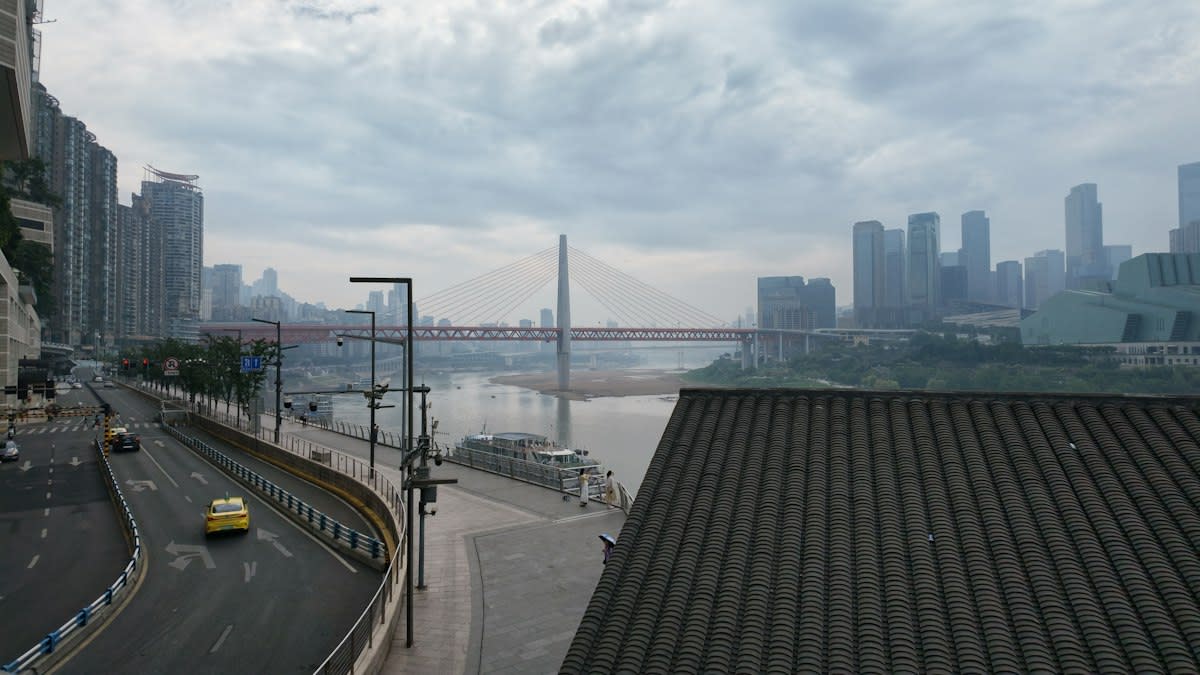
Sponge cities absorb rain. 80 per cent of China's urban areas must function as sponge cities by 2030 (Source: Euronews, 2026). Chongqing sits at the confluence of the Yangtze and Jialing rivers inside a mountain-ringed basin where sulfur-thick runoff concentrates into rapid flash-flood conditions. Topographic funneling creates severe pressure on drainage systems. Permeable pavements and wetland parks serve as the primary defense against these surge events.
Prerequisites for Water Capture
- Permeable concrete for surface infiltration
- Wetland parks for natural drainage
- Digital lifeline monitoring tools for closed-loop risk management
- Underground utility tunnels for subterranean infrastructure
- Tiered emergency response protocols (Blue-level and Level-IV)
Deployment Steps
- Map topographic funneling zones to identify high-risk runoff paths.
- Install permeable concrete to allow rainwater to infiltrate surfaces and recharge groundwater (Source: Facebook/sustecsol, 2026).
- Construct wetland parks and natural drainage systems to absorb excess precipitation.
- Deploy digital upgrades for urban lifelines to enable closed-loop risk management (Source: Manila Times, 2026).
- Establish tiered warning systems to trigger institutional emergency responses.
Topographic mapping must prioritize basin edges where mountain runoff accelerates. Chongqing uses this data to place sponge infrastructure at the most critical confluence points. Permeable concrete replaces traditional asphalt to reduce runoff and replenish water supplies (Source: Facebook/bncphl, 2026). Porous materials prevent the rapid pooling that typically paralyzes city traffic during monsoon extensions. Natural drainage systems then route this captured water into managed wetland reservoirs.
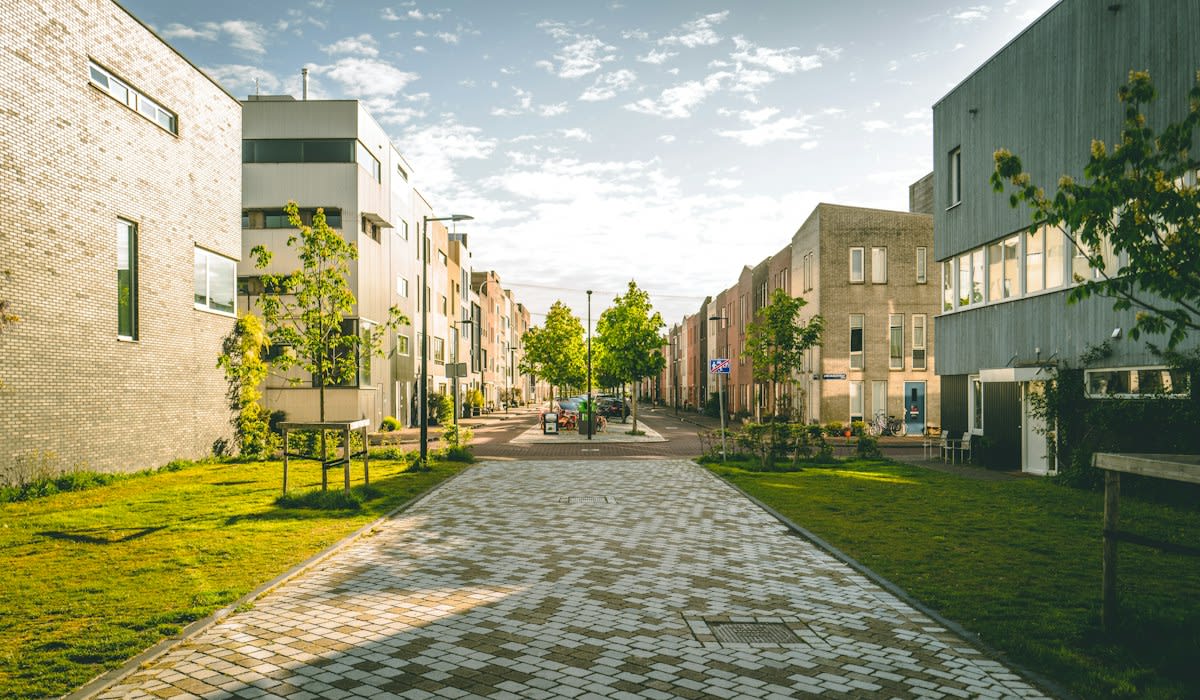
Digital upgrades enable real-time monitoring of urban lifelines. Closed-loop risk management allows Chongqing to detect flood levels before they reach critical limits (Source: Manila Times, 2026). National urban development now focuses on improving quality and efficiency over simple expansion. Urbanization rates of 67.89 per cent necessitate this focus on resilience (Source: Manila Times, 2026). Six dimensions of modernization reinforce one another to create a stable urban environment.
Institutional responses operate in parallel with public warnings. Blue-level rainstorm warnings represent the fourth tier in the color system (Source: TechTimes, 2026). Public warnings carry concrete obligations for local governments, including the inspection of urban drainage infrastructure. School authorities must receive safety advice for students. Drivers require immediate warnings regarding road flooding risks.
| Response Level | Trigger/Type | Primary Obligation |
|---|---|---|
| Blue-level | Rainstorm Warning | Drainage inspection and student safety |
| Level-IV | Institutional Response | Inter-agency coordination and monitoring |
Institutional Level-IV responses trigger accelerated monitoring of flood-prone rivers and mountain catchments (Source: TechTimes, 2026). National Meteorological Center guidelines specifically demand the suspension of outdoor activities in exposed locations. Coordination across six regions ensures that reservoirs and catchments are reinforced. These measures prevent the kind of catastrophe seen in 2012 when Beijing floods killed 79 people (Source: Euronews, 2026).
"One of the most impactful ways cities can adapt is by reversing a century of urban design that treated rainfall as waste rather than as a valuable resource"— Justin Abbott, Fellow and Europe Water Leader at Arup
Rainfall must be viewed as a resource for drought mitigation. Kongjian Yu developed the sponge city model in the early 2000s to prioritize nature-based approaches (Source: Euronews, 2026). 2014 saw the adoption of national guidelines for this development. 16-city pilot programs launched in 2015, including Wuhan, Xiamen, and Chongqing (Source: Euronews, 2026). 14 more cities, such as Shanghai and Shenzhen, joined the effort in 2016.
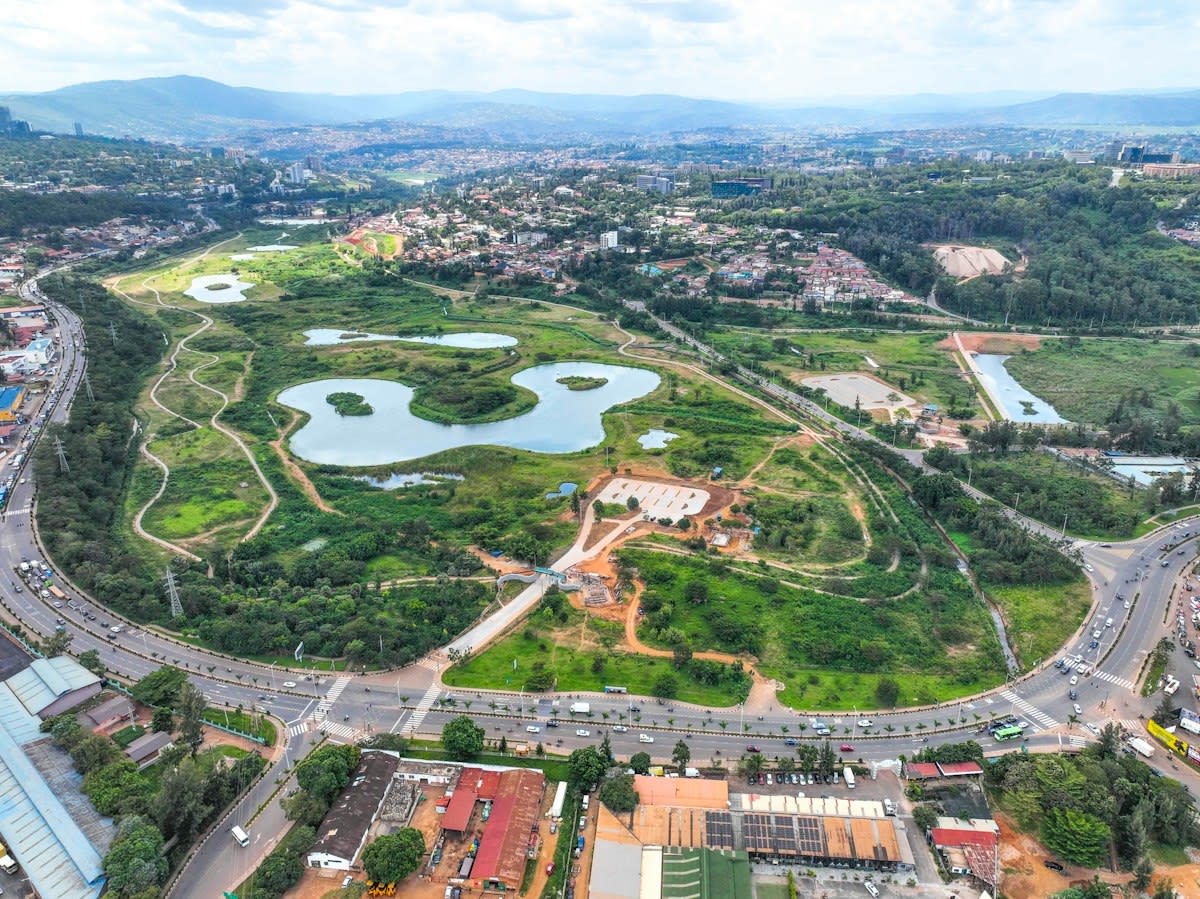
Engineers often clash with city planners over the priority of underground utility tunnels versus visible skyscrapers. Ground-level reality in Chongqing reveals that vanity projects often threaten the efficacy of sponge systems. Friction arises when short-term political wins override the long-term necessity of permeable pavements. Real debates center on whether to prioritize above-ground aesthetics or subterranean flood capacity.
Failure Points
Vanity projects often reject the necessity of underground infrastructure. Strategic lands are sometimes misused for skyscrapers rather than utility tunnels or green spaces (Source: Manila Times, 2026). Topographic funneling can override drainage capacity if nature-based solutions are not scaled to the basin's volume. Poorly maintained permeable concrete can clog, reducing infiltration rates and returning the city to a state of high runoff.
Common Pitfalls
Neglecting the subterranean layer is a frequent error. Utility tunnels must be built before above-ground construction to ensure sustainable water management (Source: Manila Times, 2026). Relying solely on grey infrastructure without merging it with nature-based solutions leads to system failure during extreme weather swings. Failure to coordinate inter-agency responses during Level-IV emergencies delays the suspension of risky outdoor activities.
Fact-Check & Accuracy Note
Data verified against 2026 reports from TechTimes, Euronews, and Manila Times. Statistics on Beijing fatalities (79) and China's 2030 target (80%) are cross-referenced with official pilot program timelines (2014-2016).