Crimes against women, control, and the railways
Source Entity
Latest News: Todays Latest News Headlines from India & World | Hindustan Times | Hindustan Times
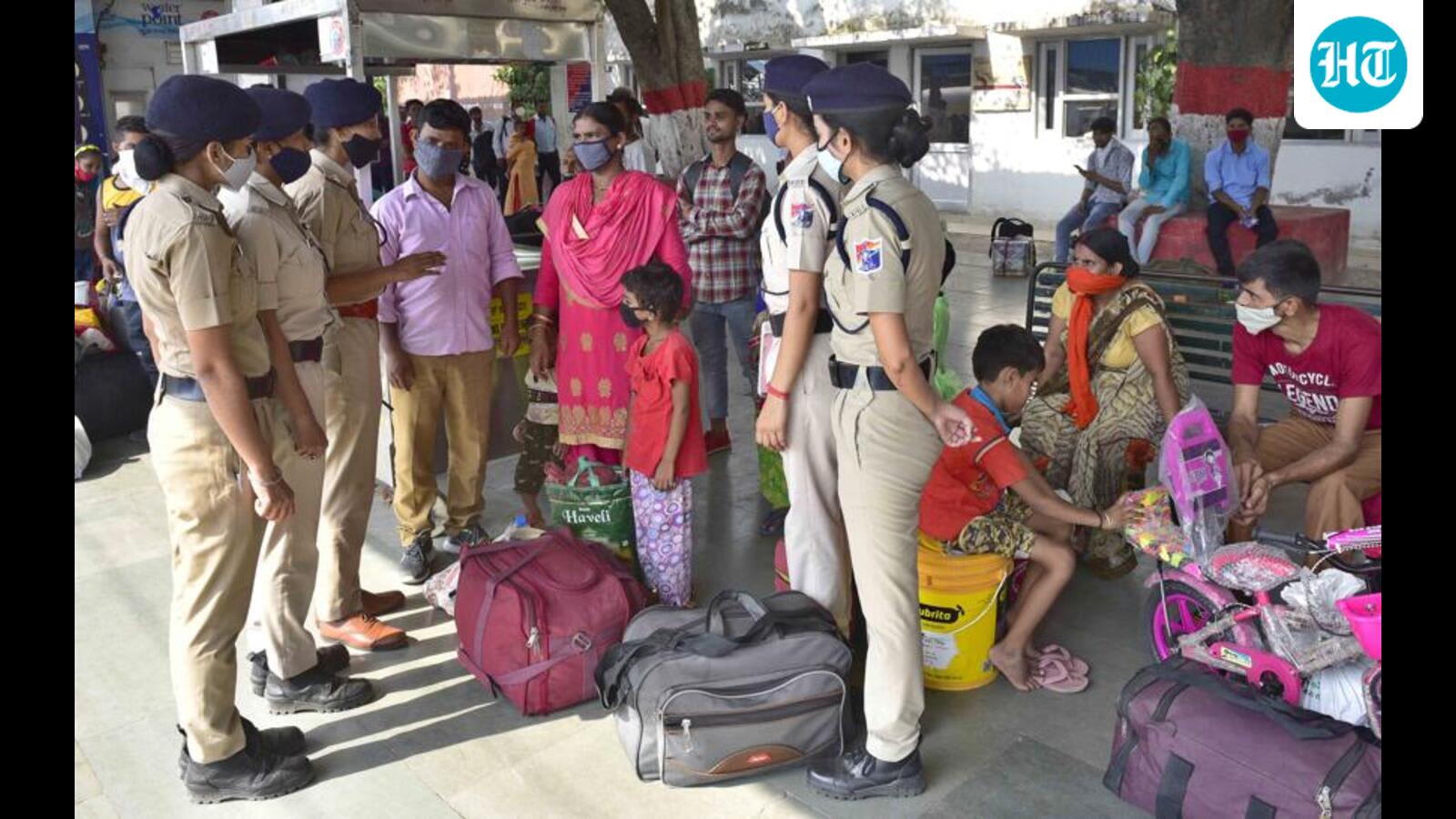
The tragic death of Himashree Bora on the Vivek Express highlights the persistent dangers women face while navigating public transport in India. This incident underscores systemic failures in safety protocols and the historical struggle for female autonomy in public spaces.
The Tragic Death of Himashree Bora and the Crisis of Rail Safety
On October 7, 2026, the discovery of 20-year-old Himashree Bora’s body near railway tracks in Srikakulam, Andhra Pradesh, ignited a somber national conversation regarding the safety of women in public transit. Traveling alone on the Vivek Express, Bora had reportedly communicated her distress to her family before her disappearance. This incident is not an isolated anomaly but a stark indicator of the precarious environment women face on India’s vast railway network, where overcrowding and inadequate security measures often create conditions ripe for harassment and violence.
The Anatomy of a Systemic Failure
Evidence surrounding the case suggests a disturbing sequence of events, including Bora being accosted prior to boarding and reports of an unsafe environment characterized by intoxicated individuals in her compartment. These factors highlight a critical breakdown in the railway’s duty of care. When public infrastructure becomes a site of threat rather than a conduit for mobility, it severely restricts the freedom of movement for women, effectively reinforcing archaic societal control mechanisms that seek to limit female presence in public life.
Historical Context: Control and Mobility
The struggle for women to navigate public spaces safely is a historical battle that predates modern transit. Since the 19th century, the presence of women in public domains has been a flashpoint for power dynamics. Historically, society has often attempted to restrict the 'ambulatory woman' through social stigma and the threat of violence. The railway system, as a central artery of Indian life, often mirrors these broader societal failings, where the lack of robust policing and gender-sensitive infrastructure perpetuates a culture of impunity for perpetrators.
The Erasure of Female Agency in Policing
A significant, often overlooked aspect of this crisis is the historical erasure of women’s participation in policing and security roles. Strengthening the presence of women in security forces could provide a more responsive approach to the specific vulnerabilities faced by female travelers. The current model relies heavily on traditional male-dominated structures that have failed to adequately address the rising tide of gender-based violence on trains, suggesting a need for a radical shift in how safety is perceived and enforced.
Future Trends and Necessary Reforms
To reverse these trends, the Indian Railways must move beyond reactive measures. This requires a multi-pronged approach: enhanced surveillance, stricter enforcement of carriage occupancy, and a dedicated, gender-responsive security task force. Without addressing the systemic failures that allow drunk and aggressive individuals to dominate public compartments, the railways will continue to be a site of danger. Ensuring the safety of women is not merely a logistical necessity but a fundamental requirement for a modern, equitable society.
Conclusion: A Call for Accountability
The death of Himashree Bora is a sobering reminder that the journey toward equality is far from over. It is a demand for systemic accountability, requiring the state to prioritize the protection of women over the convenience of the status quo. As documented cases of violence continue to rise, the need for a comprehensive overhaul of railway safety protocols remains an urgent, non-negotiable imperative for public policy.
Verification Required?